Ketamine binges, marathon tweeting, and a sudden Oval Office split: how substance‑abuse claims shadowed Musk’s 129‑day stint under President Trump
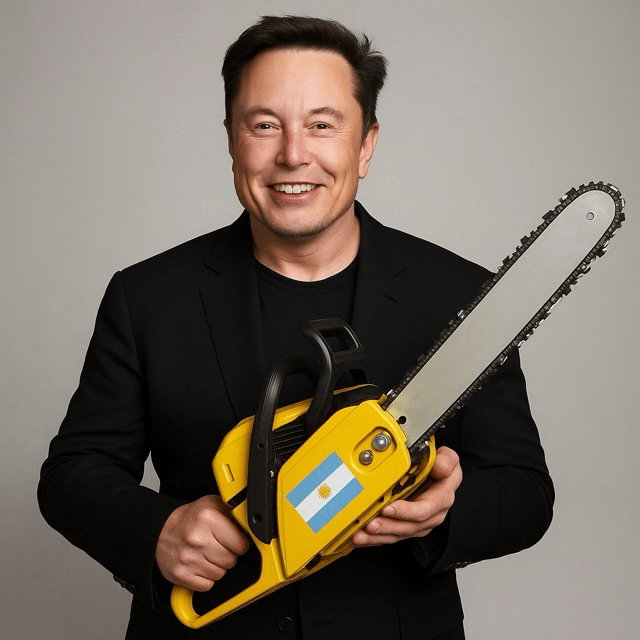
When The New York Times published its 4,200‑word investigation on May 30, 2025, even seasoned Musk‑watchers were startled. Drawing on interviews with more than a dozen confidants, flight manifests, and private messages reviewed by the paper, the story alleged that the world’s richest man had been consuming ketamine “far beyond occasional medical use,” supplementing it with ecstasy, psychedelic mushrooms, and a daily pill box that resembled a pharmacist’s week‑long organizer. The Times reported that Musk’s regimen became especially intense during Donald Trump’s 2024 reelection bid, when the South African‑born tycoon criss‑crossed swing states as the face of the newly created Department of Government Efficiency—DOGE for short.
According to the Times, those close to Musk said the anesthetic—used in low doses to treat depression—was instead “the fuel that let him hop from rally to rally like an overheated moth,” powering back‑to‑back speeches and all‑night posting sessions on X (formerly Twitter). The paper quoted aides who described the billionaire drinking sparkling water between doses, then live‑tweeting policy drafts well past 4 A.M. Screenshots of internal Slack channels showed staff begging him: “Boss, just one hour of sleep before Wisconsin?”
Medical specialists cited by the Times warned that chronic ketamine use can inflame the bladder, and the article noted that Musk himself had privately joked about “learning where every restroom in Iowa is.” The piece added new detail to a January 2024 Wall Street Journal article that first mentioned LSD‑laced parties and LSD, cocaine, and mushrooms at phone‑free gatherings. The Times went further, claiming Musk’s self‑described “microdosing” sometimes reached daily, near‑anesthetic levels.
Veterans of American soft‑power diplomacy fretted that Musk’s omnipresence—often unvetted—on campaign stages blurred lines between public office and personal brand. “He’s not just the car guy anymore; he’s the policy guy, the moon guy, the everything guy,” said one former National Security Council staffer, “and apparently the ketamine guy.”
Inside the West Wing, concerns reportedly mounted. Sources told the Times that senior Secret Service officials circulated an internal note in March flagging Musk’s erratic sleep patterns and the possibility of impaired judgment during classified briefings. Although the memo stopped short of accusing him of wrongdoing, it recommended more stringent drug testing for any appointee with access to sensitive procurement data.
Throughout his tenure, Musk’s X feed offered its own evidence trail: thirteen separate overnight tweet‑storms between February 1 and May 20, each exceeding 80 posts, many of them typos or reposts later deleted. In one such burst he declared, “Science is just poetry you can test,” then, an hour later, “We will ban boredom.”
The fallout came swiftly after publication. During a farewell press conference in the Oval Office that afternoon, a Fox News reporter asked both men about the ketamine allegations. Musk, sporting a fresh black eye he said came from “horseplay with my five‑year‑old,” lashed out: “The Times lied about Russia, they’re lying now.” Yet he offered no specific rebuttal beyond noting that SpaceX had never failed a drug test—”because I pass them all,” he said. President Trump, standing at arm’s length, interjected: “Elon’s a friend, but we expect the highest standards here.” White House officials confirmed later that Musk’s service agreement had been terminated “effective immediately.”
Privately, aides told The Washington Post and Axios that erratic nocturnal posts and whispered Health and Human Services briefings had already turned Musk into a liability. “The drug story was the last straw,” one staffer said. “It gave the president cover to make a move he’d been considering for weeks.”
For Musk, the reputational stakes extend far beyond Pennsylvania Avenue. SpaceX holds multiple billion‑dollar NASA contracts that require executives to adhere to federal substance‑abuse rules. Although Musk said he’s “randomly tested,” Times sources alleged he received advance notice—an assertion NASA’s inspector general has now been asked to review. Tesla’s board, meanwhile, convened an emergency call on May 31 to discuss whether the CEO’s conduct jeopardizes federal fleet electrification grants scheduled for 2026.
Legal experts note that none of the allegations amount to criminal charges, but the swirl of headlines may still trigger Securities and Exchange Commission inquiries if investors believe material facts were concealed. “A company doesn’t have to break the law for the CEO’s behavior to be material; perception alone can move markets,” said Georgetown securities scholar Emily Chang.
Musk’s defenders argue the Times framed normal ambition as pathological. They point to a Don Lemon interview last year in which Musk said he used “a small amount every other week” to fend off depression. “Ketamine saved lives,” wrote psychiatrist and investor Dr. Alex Katz on X, “including maybe the guy who launched reusable rockets.”
Yet even allies concede the optics were disastrous. In an administration rife with spectacles, Musk’s frenetic presence eclipsed policy. Whether ketamine truly fueled that velocity—or merely mapped onto a schedule only the ultra‑rich can afford—remains in dispute. What is clear is that the billionaire’s Washington experiment ended the way many of his nights reportedly did: abruptly, amid a storm of tweets and unanswered questions.



 The Tower Post