The latest round of Gaza cease‑fire negotiations collapses as the militant group proposes releasing only a handful of living captives while returning bodies, underscoring its strategic preference for prolonged conflict over compromise
Introduction
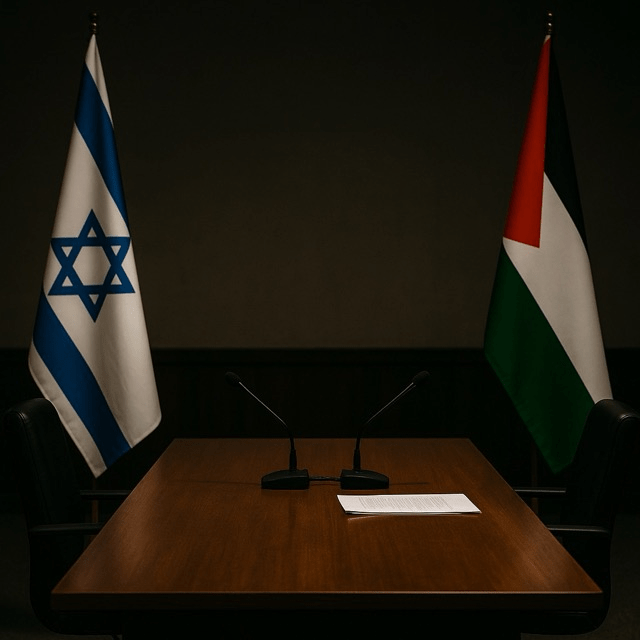
Yet another attempt to silence the guns over Gaza has broken down. On 31 May 2025, Hamas formally answered a U.S.‑brokered cease‑fire outline by demanding sweeping alterations that negotiators say would gut the plan. Israeli officials responded by accusing the group of “deliberate sabotage,” while families of the remaining 58 captives braced for more weeks of uncertainty.
The Proposal—and Hamas’s Counter‑Offer
The blueprint on the table was straightforward: a 60‑day truce, Israeli withdrawal from major population centers and the phased release of all hostages beginning with 10 living civilians. Hamas, however, insisted on an iron‑clad promise that the war would end permanently before it surrendered its captives, and it re‑sequenced the exchange so that the remains of dead hostages would arrive long before most survivors.
‘Ten Alive, Eighteen Dead’
In its written response Hamas agreed, in principle, to free 10 living Israelis—but only alongside the corpses of at least 18 others, a ratio that infuriated Jerusalem and baffled diplomats. “They are offering coffins, not concessions,” a senior U.S. envoy complained.
Israel’s Reaction
Prime Minister Benjamin Netanyahu’s war cabinet swiftly endorsed the American draft and branded Hamas’s counter‑offer a rejection in disguise. Officials warned the group that military pressure would intensify “until every hostage comes home alive.
A Deadly Pattern
The bleak arithmetic recalls February’s grim exchange, when Hamas released six survivors only after transferring four bodies—including those of 12‑year‑old Eitan Yahalomi and 80‑year‑old Leah Schwartz. The precedent reinforced suspicions that the militants see greater leverage—and propaganda value—in the dead than in the living.
Strategic Calculus Inside Hamas
Analysts note that prolonging the crisis serves three aims: it sustains Hamas’s narrative of resistance, keeps international cameras trained on Gaza’s devastation, and pressures Israel to accept a broader prisoner swap. “Hostages are currency,” warns security scholar Maya Ben‑David. “Alive they are bargaining chips; dead they become martyrs, which is almost as useful to Hamas’s political brand.”
Humanitarian Fallout
While talks sputter, Gaza’s humanitarian catastrophe deepens. The U.N. now classifies the enclave as “the hungriest place on Earth,” with more than half a million people on the brink of famine. Aid convoys—already impeded by Israeli inspections—were looted twice last week as desperation spread.
The Mediation Maze
Qatar, Egypt and the United States have formed an uneasy trilateral task‑force, yet their leverage is limited. Doha’s envoy lamented that “both parties are negotiating in press releases,” while the Egyptian foreign ministry privately doubts Hamas’s willingness to accept any formula that does not guarantee its own survival.
Escalation Risks
Israel has intensified raids in Rafah and Jabalia, arguing that battlefield pain is the only language Hamas understands. Meanwhile Hizbullah rocket fire from southern Lebanon and Iranian threats in the Red Sea enlarge the theatre of conflict, heightening the danger that stalled hostage talks could ignite a regional war.
Conclusion
Diplomats still talk of “narrow windows” and “last chances,” yet the pattern is depressingly familiar. Each time a framework emerges, Hamas reshapes or rejects it, wagering that either the war will end on its maximalist terms or that it can survive—and perhaps thrive—amid perpetual confrontation. Until that calculus changes, families of the captives may have to cling to hope while counting body‑bags.


 The Tower Post