A terse exchange between Jerusalem and Paris exposes the unnerving volatility within Israel’s leadership amid global pressure and war-time strain
Introduction
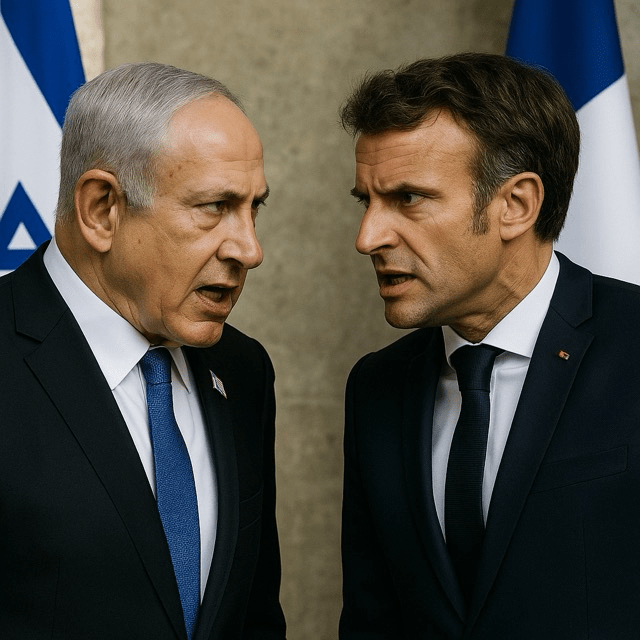
A sharp and unsettling moment has crystallized the increasingly erratic state of the Israeli government. In a terse and unusually confrontational exchange with French officials last week, Israel’s diplomatic posture appeared more fragile—and more aggressive—than at any point in recent years. The incident highlighted how internal discord and wartime pressures are spilling into Israel’s foreign policy, alarming allies and critics alike.
The Spark: Macron’s Comments on Gaza
Tensions boiled over following a statement from French President Emmanuel Macron, who sharply criticized Israel’s military operations in Gaza as “disproportionate” and “unworthy of a democratic nation.” Macron called for an immediate ceasefire and greater humanitarian access, framing France’s position as a moral and legal necessity.
Israel’s Blunt Response
Rather than a calculated diplomatic reply, Israel’s foreign ministry issued a searing statement accusing France of “moral hypocrisy” and “selective outrage.” One official, speaking on condition of anonymity, went further: “Paris has no moral standing to lecture Israel while cozying up to regimes that fund terror.” The tone stunned observers and prompted the French foreign ministry to summon Israel’s ambassador for clarification.
Government in Turmoil
The sharp rhetoric reflects deeper dysfunction within the Israeli coalition, particularly between ultranationalist ministers and more moderate figures. Prime Minister Benjamin Netanyahu is increasingly reliant on hardline allies to maintain his grip on power. As a result, foreign policy pronouncements often veer off-script or carry internal political motives more than strategic calculation. “It’s government by eruption,” quipped a retired Israeli diplomat.
France Pushes Back
France has not remained silent. Foreign Minister Stéphane Séjourné reaffirmed Paris’s right to criticize allies when humanitarian norms are at stake. “Friendship does not mean silence,” he said before the National Assembly. France also hinted that future arms deals and joint projects could face reevaluation if Israel continues what it calls “unconstructive diplomacy.”
Echoes in Europe
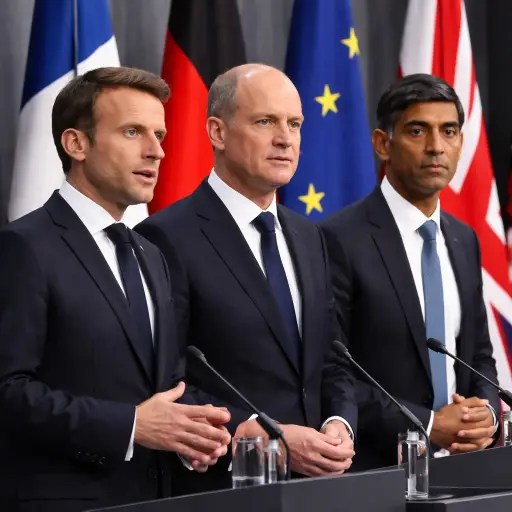
The incident has sparked anxiety in Brussels and Berlin, where diplomats fear Israel is becoming diplomatically unmoored just as regional tensions demand cool heads. Germany’s Foreign Minister called for “a renewed commitment to multilateral civility,” in a barely veiled rebuke of Israel’s tone.
Underlying Anxiety
Observers note that the aggressiveness may stem from deeper anxiety within Jerusalem. With mounting casualties in Gaza, growing domestic protests, and international court cases looming, Israel’s leadership is under immense pressure. The diplomatic lash-out toward France may be less about Macron’s words and more about the need to project strength, however ungracefully.
Conclusion
The episode underscores a larger concern: a nation at war, led by a fractured government, is struggling to separate its internal tensions from its external voice. As Israeli officials continue to juggle military, legal, and political crises, even close allies like France may find themselves the target of unpredictable rebukes. The world is watching—and increasingly, it is worrying.
 The Tower Post