President Javier Milei’s Radical Austerity Faces Mounting Resistance and Economic Paralysis
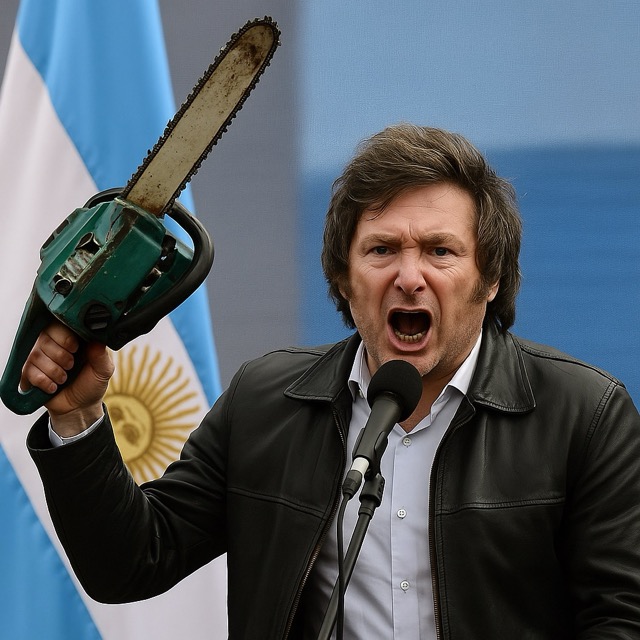
Just months into his presidency, Argentina’s self-styled libertarian reformer Javier Milei is facing a political and economic crisis of his own making. Nicknamed the “Chainsaw President” for his promises to slash government spending, Milei’s aggressive austerity agenda is stalling amid massive protests, legislative setbacks, and deepening poverty.
The Rise of Milei and the ‘Chainsaw Plan’
Elected in late 2023, Milei rose to power on a wave of anti-establishment anger, pledging to demolish Argentina’s bloated public sector, dollarize the economy, and eliminate the central bank. His “Chainsaw Plan” targeted subsidies, public works, and social spending, in a bid to tame hyperinflation and regain international market confidence.
Despite initial praise from financial markets, the real-world consequences have been severe. Inflation has remained stubbornly high, unemployment has surged, and essential services are faltering. For many Argentines, the promised economic shock therapy has turned into daily hardship.
Political Deadlock and Public Backlash
Milei’s sweeping economic reforms have hit a legislative wall. With limited support in Congress and tensions rising even within his political alliances, major components of his deregulation and privatization bills have failed to pass. Attempts to govern by emergency decrees have been challenged in the courts, further weakening his authority.
Meanwhile, Argentina’s streets have filled with protesters—workers, students, retirees—demanding an end to the cuts. Even traditionally conservative sectors, such as agricultural unions and business groups, have voiced concern about the growing instability and unpredictability of Milei’s rule.
Economic Consequences and Social Strain
The peso has continued its volatile swings, while foreign investment remains cautious. Social inequality is widening, with food banks seeing record demand and crime rates ticking upward. Schools and hospitals, stripped of funding, are on the brink of collapse in some provinces.
International observers are beginning to question whether Milei’s libertarian experiment is sustainable in a country with a long tradition of social safety nets and state involvement in the economy.
Conclusion: A Leadership at a Crossroads
The chainsaw no longer roars as Milei had promised. As economic pain deepens and political support erodes, the Argentine president faces a stark choice: double down on an ideology that is alienating much of the population, or pivot toward pragmatism and coalition-building.
Whether Milei adjusts course or continues on his uncompromising path will determine not only his political survival but also the future of Argentina’s already fragile democracy.



 The Tower Post