The Sudden Departure of the Dutch Prime Minister Raises Questions About the Country’s Political Future
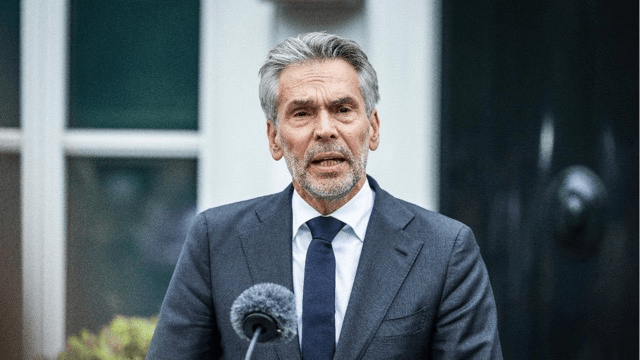
In a move that has sent shockwaves through Dutch political circles, Prime Minister Dick Schoof has announced his resignation, citing personal reasons and an increasingly untenable political climate. The announcement comes at a delicate time for the Netherlands, as the country grapples with internal divisions, rising populism, and complex international challenges.
Schoof, who took office with the promise of restoring trust in government and advancing pragmatic policy solutions, has faced mounting pressures from both within his coalition and the broader political landscape. His departure raises pressing questions about leadership, continuity, and the trajectory of Dutch governance.
Political analysts have noted that Schoof’s tenure, though short, was marked by attempts to strike a balance between traditional liberal values and the growing influence of nationalist rhetoric. As a former senior civil servant and intelligence chief, Schoof brought a technocratic approach to leadership—something that endeared him to centrists but alienated segments of the political right and left.
The immediate fallout of Schoof’s resignation includes uncertainty over who will succeed him. While several names have emerged, including Finance Minister Sigrid Kaag and former VVD leader Mark Harbers, none has yet secured broad consensus. Coalition talks are expected to intensify in the coming days, with King Willem-Alexander playing a key role in facilitating the formation of a new government.
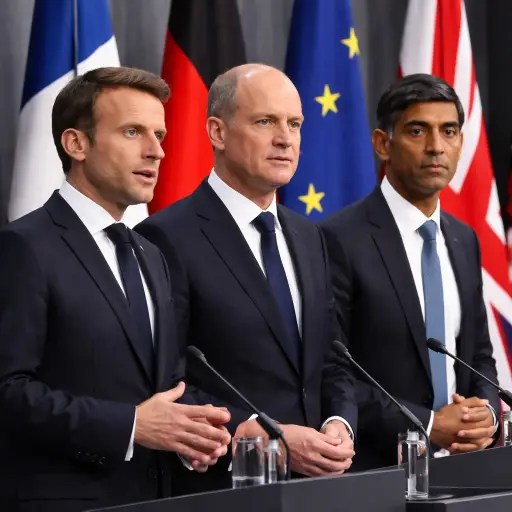
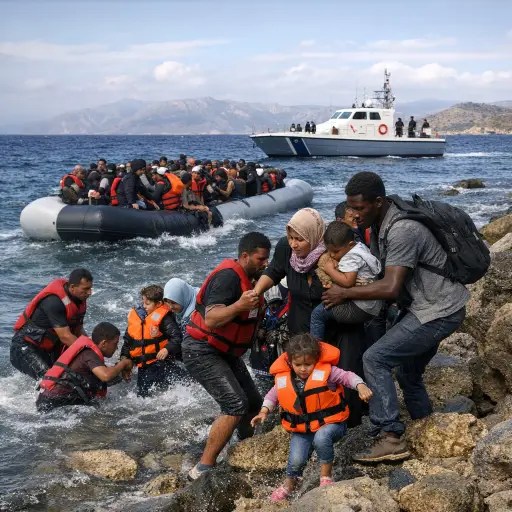
In the interim, the Netherlands faces a leadership vacuum that could impact its role in key EU negotiations, including climate policy, migration reform, and digital regulation. Additionally, with European parliamentary elections on the horizon, Dutch representation and strategy in Brussels may become less coherent without a clear national leadership mandate.
Public reaction to Schoof’s resignation has been mixed. While some citizens expressed disappointment, others welcomed the possibility of a political reset. “It’s time for fresh leadership and clearer priorities,” said Marieke van Dijk, a teacher from Utrecht. “We need someone who understands both the domestic frustrations and the international responsibilities.”
The business community, meanwhile, has voiced concern over potential instability. The Dutch economy, one of the most open and trade-dependent in Europe, is sensitive to shifts in policy direction. Investors and business leaders have urged political actors to act swiftly and responsibly to avoid prolonged uncertainty.
Looking forward, the future of Dutch politics will likely be shaped by how effectively the next leader can bridge growing societal divides and restore faith in institutions. Issues such as housing shortages, energy transition, and digital transformation remain at the forefront of public debate.
Schoof’s resignation may mark the end of a brief chapter, but it could also signal the beginning of a pivotal transformation in the Dutch political landscape. As the nation watches closely, the decisions made in the coming weeks could shape not only the Netherlands’ domestic path but also its role within a rapidly evolving European order.
 The Tower Post