Strategic Takeover Signals New Era in Targeted Cancer Therapies and Biotech Consolidation
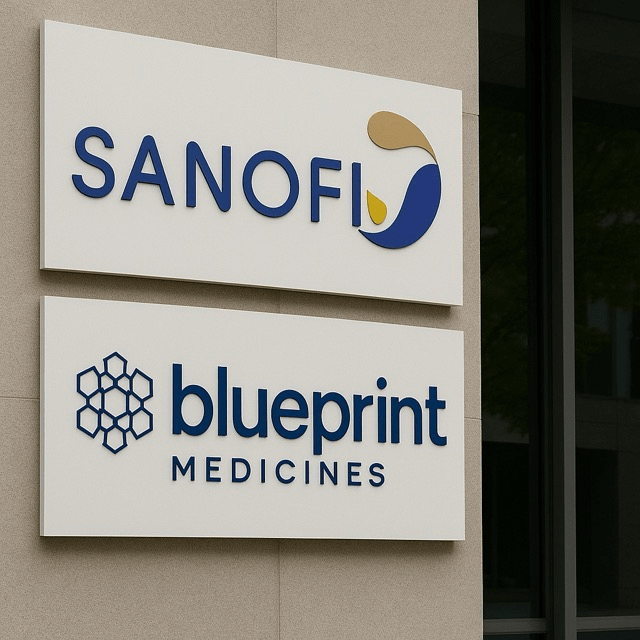
In a blockbuster deal set to reshape the biotech landscape, French pharmaceutical giant Sanofi has announced plans to acquire U.S.-based Blueprint Medicines for a reported $9.5 billion. The pending acquisition, currently under regulatory review, marks one of the largest pharmaceutical transactions of the year and underscores Sanofi’s ambition to expand its oncology pipeline with cutting-edge precision therapies.
Blueprint Medicines, headquartered in Cambridge, Massachusetts, is renowned for its pioneering work in genomically defined cancers and rare diseases. Its flagship product, Ayvakit, a precision therapy for advanced systemic mastocytosis and gastrointestinal stromal tumors, has positioned the company as a global leader in targeted cancer treatments. Analysts note that Sanofi’s interest is largely driven by Blueprint’s robust research pipeline and its expertise in kinase inhibitors—a class of drugs that block abnormal cell growth.
The acquisition, if finalized, would provide Sanofi with strategic access to novel therapies in oncology, a therapeutic area the company has been aggressively pursuing in recent years. In a joint press statement, Sanofi CEO Paul Hudson emphasized the “transformative potential” of the deal, calling it a “decisive step in Sanofi’s strategy to build a portfolio of first-in-class and best-in-class medicines.”
For Blueprint, the deal offers a significant opportunity for scaling operations, accelerating clinical trials, and gaining access to Sanofi’s global commercial infrastructure. CEO Kate Haviland expressed optimism about the merger, stating, “This acquisition aligns with our mission to deliver life-changing medicines to patients faster, and with broader reach than ever before.”
Industry observers have noted that the acquisition comes amid increasing consolidation within the biotech sector. Rising R&D costs, regulatory complexities, and investor pressure have led many smaller firms to seek partnerships or acquisitions with larger pharmaceutical companies. The Sanofi-Blueprint deal is widely seen as a bellwether for further M&A activity in the precision medicine space.
Despite the enthusiasm, the deal is subject to antitrust scrutiny and shareholder approval. Regulatory agencies in both the U.S. and EU are expected to examine the acquisition to ensure it does not reduce competition or limit innovation in key therapeutic areas. Both companies have expressed confidence in a smooth approval process, citing complementary portfolios and a shared commitment to innovation.
Financial markets reacted favorably to the announcement, with shares of Blueprint Medicines soaring over 30% in pre-market trading. Sanofi’s stock also saw modest gains, reflecting investor optimism about the company’s strategic direction and long-term growth potential.
Looking ahead, the integration process will be closely watched by analysts and industry insiders. Key questions remain about how Sanofi will manage Blueprint’s talent and culture, maintain scientific momentum, and navigate complex clinical and regulatory pathways for its pipeline assets.
If successful, the acquisition will not only strengthen Sanofi’s position in oncology but also reaffirm the growing value of precision medicine in global healthcare. As both companies prepare for the next phase, the deal highlights the convergence of science, strategy, and scale in shaping the future of biopharmaceutical innovation.




 The Tower Post