Global Trade Feels the Impact as New Steel Duties Officially Take Effect
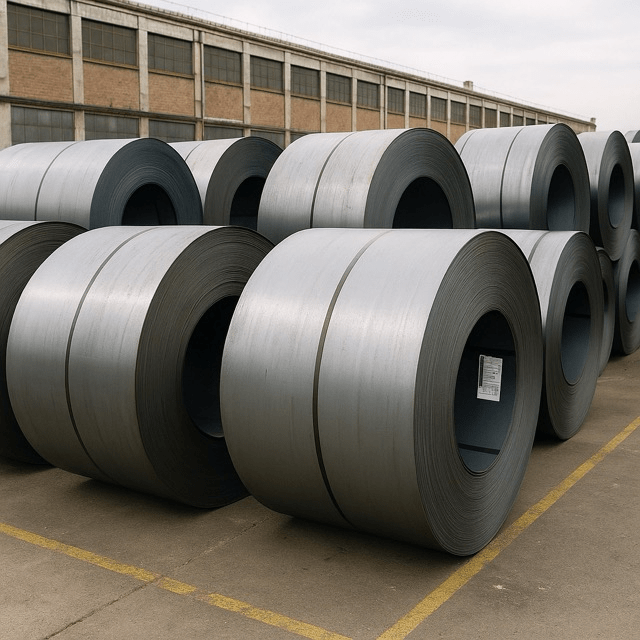
In a move that has sent ripples through international trade and industrial supply chains, the long-anticipated 50% steel tariffs under the so-called TACO (Targeted Alloy and Commodity Oversight) strategy have officially come into force. The decision, unveiled by the Ministry of Trade and Industry, is part of a broader economic maneuver to shield domestic manufacturing from foreign competition and enhance national resource security.
The TACO strategy, initially outlined last year, aims to counteract what policymakers describe as “predatory pricing” and “market saturation” from non-allied steel-exporting countries. The new 50% tariff targets specific categories of imported steel deemed essential yet vulnerable to price manipulation, particularly flat-rolled and structural products. The policy comes amid rising geopolitical tensions and a broader global trend toward economic protectionism.
Government officials argue that the tariffs are necessary to revitalize local steel production, protect jobs, and ensure long-term industrial resilience. “This is not just an economic policy—it is a national security imperative,” said Minister of Trade Carla Donati in a press briefing. “We cannot allow our critical industries to be undercut by unfair trade practices.”
Industry reaction has been divided. Domestic steel manufacturers have largely welcomed the move, seeing it as an opportunity to reclaim market share and boost investment in local production facilities. However, downstream sectors such as construction, automotive, and appliance manufacturing have warned of rising input costs and potential project delays. Several trade associations are already lobbying for exemptions or phased implementation.
Internationally, the 50% tariff has drawn criticism from key trading partners and multilateral institutions. The European Union, Japan, and South Korea have voiced formal objections, with some hinting at reciprocal measures if negotiations fail to produce adjustments. The World Trade Organization (WTO) has called for “urgent dialogue” to avoid a tit-for-tat escalation that could destabilize global markets.
Meanwhile, economists remain split on the long-term efficacy of the TACO strategy. While some analysts praise the government’s assertiveness in defending national interests, others warn that such high tariffs may invite retaliation, disrupt supply chains, and lead to inflationary pressures. “The impact will depend on how quickly domestic suppliers can ramp up production to fill the gap,” noted economist Dr. Helen Braun.
On the ground, businesses are scrambling to adapt. Importers are reevaluating contracts, exploring alternative sourcing, and adjusting logistics to cope with the new cost structure. Some steel buyers are stockpiling inventory in anticipation of further price volatility.
The coming months will be critical in determining the broader effects of the TACO-driven tariff regime. Key indicators to watch include domestic steel output, industrial production data, and shifts in trade flows. As the world watches, this bold economic experiment is poised to test the limits of national policy in a deeply interconnected global economy.
Whether the TACO strategy achieves its intended goals or sparks wider trade conflict remains to be seen. But one thing is clear: the global steel market has entered a new era of uncertainty—and transformation.



 The Tower Post