Increased Scrutiny Aims to Curb Illicit Financial Flows Amid Geopolitical Tensions
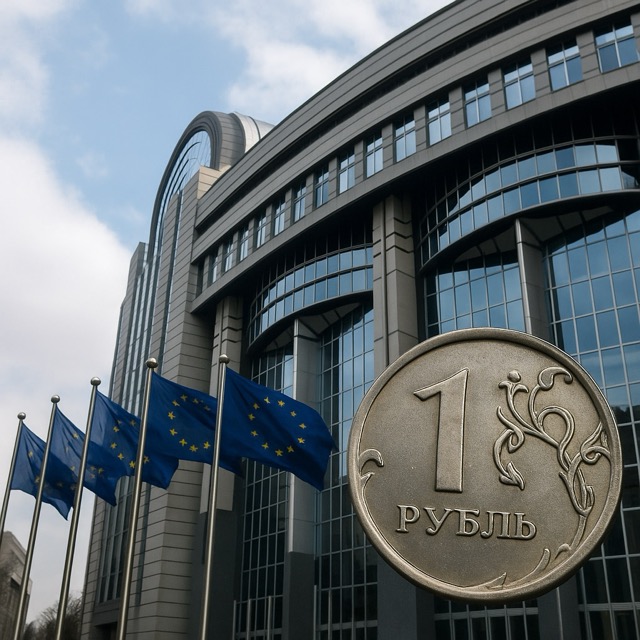
The European Union is considering adding Russia to its “grey list” of countries with insufficient anti-money laundering controls, a move designed to intensify financial pressure on Moscow and signal deepening concerns over illicit financial flows emanating from the country. This consideration gained momentum after the Financial Action Task Force (FATF) suspended Russia’s membership in early 2023, reflecting global unease with Russia’s regulatory oversight of money laundering risks.
The EU’s grey list, formally known as the “jurisdictions under increased monitoring,” requires banks and other obliged entities to apply enhanced due diligence when dealing with flagged countries. Inclusion would oblige European financial institutions to impose stricter checks on transactions involving Russian entities, potentially slowing cross-border payments and raising the operational costs for Russian businesses. The decision is not yet final; EU Commissioners continue to deliberate while Member States voice differing opinions on the geopolitical and economic ramifications .
Reports indicate that support for the proposal is strong among Members of the European Parliament, especially within the European People’s Party, which views grey-listing as a tool to curb Moscow’s ability to exploit European financial markets. Some officials argue that placing Russia on the grey list would complement existing sanctions and reinforce the EU’s broader strategy of using financial measures to deter further aggression. However, a final vote must contend with diplomatic objections from certain Member States concerned about energy security and economic repercussions .
The grey-listing process typically mirrors the FATF’s own evaluations, but the FATF itself has been unable to formally include Russia due to objections from major member states like China and India. As a result, the EU’s autonomous decision carries symbolic weight, highlighting a unilateral determination to treat Russia as a jurisdiction of heightened risk. While FATF continues to engage with Russia to address strategic deficiencies, EU authorities have signaled impatience with the pace of reforms, citing ongoing Russian ties to high-risk financial practices .
In practical terms, grey-listing would require Russian banks to disclose ownership structures more transparently, enforce stricter Know Your Customer (KYC) protocols, and submit to regular audits of their anti-money laundering (AML) controls. The EU’s newly established Anti-Money Laundering Authority (AMLA), operational since January 2025, would play a central role in monitoring compliance and coordinating with national financial intelligence units. AMLA’s chair, Bruna Szego, has publicly stated that the EU must close loopholes exploited by illicit actors, particularly those linked to state-affiliated entities .
Energetic debates have emerged around potential collateral damage. Germany, whose economy relies heavily on Russian imports of natural gas, has voiced caution, suggesting that grey-listing could trigger reciprocal measures from Moscow and destabilize already fragile energy supplies. Conversely, Eastern European Member States, such as Poland and the Baltic states, have championed stronger actions, underscoring the role gray-listing could play in exposing hidden networks used to fund activities undermining EU security interests .
Beyond its immediate financial impact, grey-listing carries reputational consequences. Russia’s image as a reliable partner in international finance has eroded since 2022, with prior sanctions and asset freezes already isolating major banks. Being grey-listed would signal to global investors and correspondent banks that enhanced scrutiny is necessary, potentially reducing foreign investment and prompting non-EU jurisdictions to impose parallel measures. Some analysts predict that grey-listing could serve as a catalyst, encouraging other jurisdictions to follow suit in limiting Russia’s access to global financial infrastructure .
Opponents of grey-listing caution that the measure may not deliver the intended outcomes if not paired with rigorous enforcement. They argue that illicit actors often employ complex layering techniques and move funds through opaque jurisdictions such as the United Arab Emirates or Gibraltar, which remain, themselves, under EU scrutiny for money laundering risks. Thus, grey-listing Russia may merely shift clandestine flows rather than eliminate them. Proponents counter that every incremental barrier raises the cost of illicit activity and signals EU resolve to protect its financial system .
Timing is also critical. EU officials have indicated they aim to finalize the updated high-risk third country list during the next plenary of the AMLA in July 2025. However, unresolved disagreements over other entries—such as the UAE and Gibraltar—threaten to delay adoption. Some stakeholders propose a phased approach whereby Russia’s inclusion could be announced separately to avoid entangling it in broader political stalemates. If approved, the measure would take effect immediately, obliging firms to update their compliance frameworks and notify relevant authorities of any suspicious transactions involving Russian counterparties .
In sum, while the final decision remains pending, the EU’s drive to add Russia to its grey list underscores a strategic pivot toward leveraging financial oversight as a geopolitical tool. The move highlights the EU’s commitment to countering money laundering risks that intersect with broader security objectives. Regardless of the outcome, heightened scrutiny will likely reshape the landscape of euro-ruble transactions and signal to other nations that the EU is prepared to employ regulatory levers to uphold the integrity of its financial markets .
 The Tower Post