Amidst Escalating Conflict, Reporters in Gaza Face Unprecedented Risks and Deadly Consequences
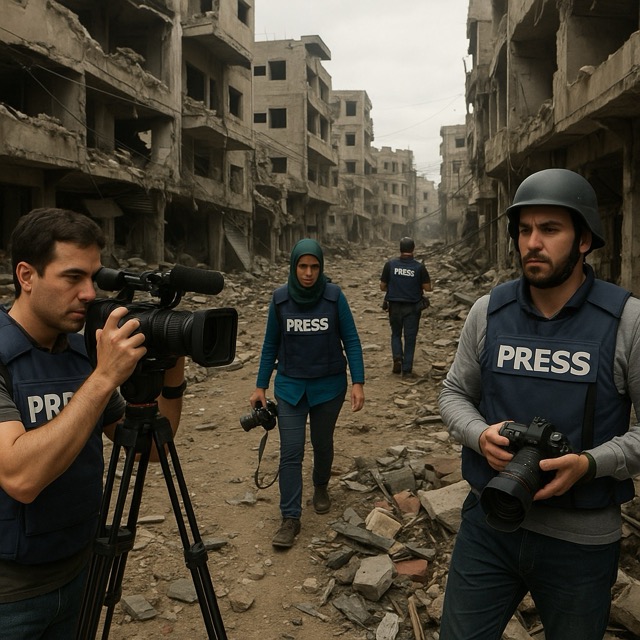
In the protracted Gaza conflict that reignited in late 2023, journalists have found themselves in the crosshairs of violence, with mounting casualties highlighting the perilous nature of war reporting in the enclave. According to local media watchdogs, at least 45 journalists—comprising both Palestinian and international correspondents—have been killed since hostilities resumed. This alarming figure has prompted global condemnation and raised urgent questions about press freedom, the protection of civilians, and the use of lethal force in densely populated urban areas.
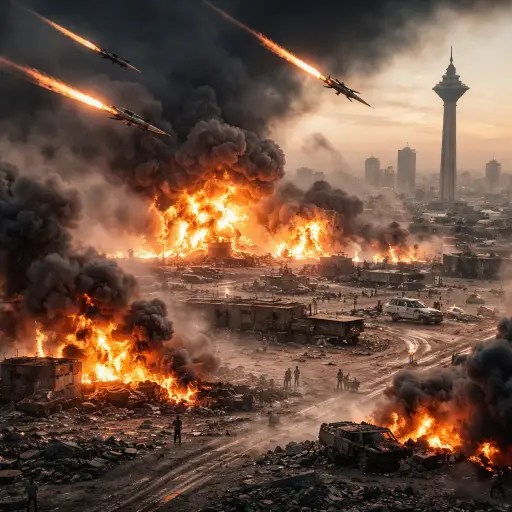
The recent escalation began when a series of rocket exchanges between Israel and Hamas spiraled into large-scale military operations on both sides. Gaza, already one of the most densely populated territories in the world, quickly transformed into a devastating battleground. For journalists, the imperative to document events on the ground meant venturing into frontline zones where airstrikes, artillery barrages, and ground operations were commonplace. Several reporters were embedded with medical teams and first responders, seeking to expose the humanitarian toll, only to become victims of the very events they were covering.
One of the most prominent cases involved Palestinian photojournalist Lina al-Khatib, an award-winning reporter for a local news agency, who was killed while photographing rescue efforts in northern Gaza. Eyewitnesses reported that an Israeli airstrike struck the area without warning, engulfing al-Khatib and her colleagues in debris. Her death is emblematic of the risks faced by local journalists, who often lack protective gear and must navigate narrow streets and collapsed buildings to capture stories. Human rights organizations have criticized both Israeli forces and militant groups for failing to take adequate measures to identify and protect journalists.
International correspondents have also paid a heavy price. Veteran reporter Daniel Reyes, a cameraman for a major European news network, was killed when an armored vehicle rolled over his press-marked vehicle near Rafah. Although the vehicle displayed large ‘PRESS’ signs, witnesses say the armored unit opened fire as reporters moved between neighborhoods to film civilian evacuations. The network released a statement condemning the unclear rules of engagement that endanger journalists, calling for transparent investigations into the circumstances of Reyes’s death and the imposition of accountability for those responsible.
Israel’s military has defended its actions, stating that combat operations in Gaza are conducted under strict protocols designed to minimize civilian casualties. In a statement, the Israeli Defense Forces (IDF) asserted that journalists are not deliberately targeted, and that if any journalists are harmed, it is due to Hamas’s tactic of embedding military assets near civilian structures, including media offices. The IDF has also pointed to instances where militants allegedly used media facilities to transmit propaganda or as cover for launching attacks. Nevertheless, international legal experts argue that such claims do not absolve warring parties of their obligations under international humanitarian law to distinguish between civilian and military objectives.
Hamas, for its part, has been accused of suppressing critical reporting within Gaza, threatening journalists who seek to cover dissent against the ruling authority. Several local reporters have been detained or beaten for broadcasting footage of protests against Hamas’s governance. Although less common than battlefield deaths, these acts of intimidation underscore the lack of press freedom in Gaza’s governance landscape. Combined with the dangers of active combat, journalists in Gaza face a dual threat: lethal violence from external military operations and repressive measures from internal security forces.
The Committee to Protect Journalists (CPJ) released a report in May 2025 detailing the structural challenges that exacerbate risks for Gaza’s press corps. The report cites insufficient protective gear, lack of press accreditation, and minimal training in hostile-environment reporting as key factors. CPJ also documented instances where journalists, after sustaining injuries, were denied timely medical evacuation due to travel restrictions and bureaucratic hurdles at border checkpoints. The organization has called for immediate measures to facilitate safer reporting, including the delivery of body armor, helmets, and satellite communication devices.
Beyond the immediate danger to life, the targeting of journalists has a chilling effect on the flow of information from Gaza. Eyewitness accounts and journalists’ reports have been essential in exposing humanitarian crises—such as shortages of water, food, and medical supplies—in the aftermath of airstrikes on civilian infrastructure. With fewer journalists able to operate freely, independent verification of events becomes more difficult, increasing reliance on official statements from parties to the conflict. This information vacuum can facilitate the spread of misinformation, complicating international efforts to provide relief and negotiate ceasefires.
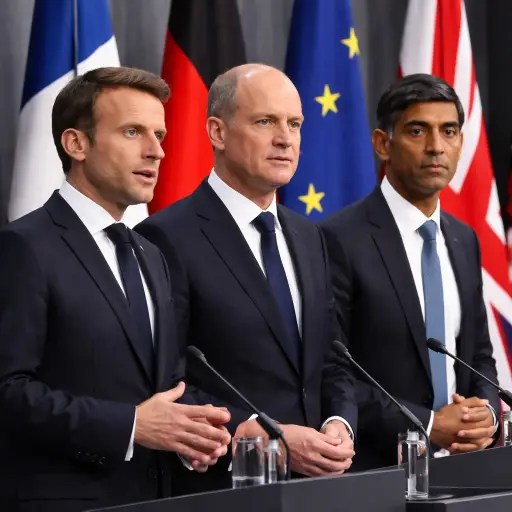
International organizations and governments have responded with diplomatic pressure and calls for investigations. The United Nations Educational, Scientific and Cultural Organization (UNESCO) condemned the killing of journalists as a violation of human rights, urging both Israel and armed groups in Gaza to adhere to their obligations under the Geneva Conventions. The European Union has proposed sanctions targeting individuals responsible for attacks on media professionals, while the United States has reiterated its support for press freedom as a cornerstone of democratic values. Despite these efforts, tangible progress has been limited, and journalists continue to operate in an environment of impunity.
As the conflict shows no signs of abating, the plight of Gaza’s journalists remains dire. Local press associations have launched a solidarity fund to provide legal assistance and protective equipment to reporters at risk. Cross-border collaborations between Gaza and West Bank journalists have also emerged, enabling shared resources and remote reporting strategies designed to mitigate the physical dangers of being on the front lines. International media outlets are increasingly relying on freelance stringers and citizen journalists, though this model raises ethical questions about adequate compensation, safety training, and support for those putting themselves in harm’s way.
The deaths of so many journalists in Gaza serve as a stark reminder of the fundamental role that a free and protected press plays, even amid the chaos of war. Their sacrifice underscores the costs of conflict on truth-telling itself. As global attention turns to diplomats seeking a ceasefire, there is a growing consensus that any sustainable resolution must include robust mechanisms to safeguard journalists, ensure accountability for attacks against them, and affirm the principle that reporting on human suffering should never be a death sentence.
 The Tower Post