Insiders within Russian Military Intelligence Suggest President Putin May Consider Deployment of Tactical Nuclear Weapons in Retaliation

In the wake of a series of high-profile Ukrainian drone strikes that have inflicted significant damage on Russian military assets, President Vladimir Putin has reportedly expressed an intention to seek retribution. According to confidential sources within the Main Directorate of the General Staff of the Armed Forces of the Russian Federation (GRU), Putin has authorized contingency plans involving tactical nuclear weapons as a potential form of retaliation. This alarming development comes amid an already heightened nuclear posture in Russia, and experts warn that such a move could drastically escalate the conflict dynamics in Eastern Europe .
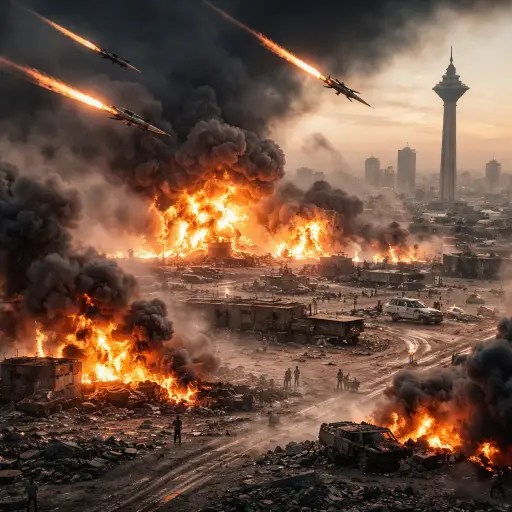
The immediate catalyst for this rumored shift in Russia’s retaliatory options is the recent Operation Spiderweb, a coordinated drone assault by Ukrainian forces that reportedly destroyed nearly one-third of Russia’s strategic bomber fleet. In response, Russian state media conveyed that Putin vowed ‘revenge’ against Kyiv, with some intelligence analysts interpreting the language as an implicit nod toward the possible use of tactical nuclear arms . While the Kremlin has publicly downplayed any suggestion of deploying nuclear weapons, GRU insiders have indicated that detailed planning is underway for a limited nuclear strike designed to send a chilling signal without triggering outright global nuclear war.
Under Russia’s updated nuclear doctrine, adopted in November 2024, the threshold for employing nuclear weapons was significantly lowered to include scenarios wherein the state’s sovereignty or territorial integrity is threatened, even by conventional means. This doctrinal shift was partly intended to deter Western support for Ukraine and to complicate NATO’s decision-making calculus. GRU sources suggest that Putin has instructed military planners to prepare tactical nuclear warheads that could be delivered by short-range ballistic missiles, artillery systems, or aircraft, targeting remote border regions of Ukraine where Russian forces might establish a ‘buffer zone’ .
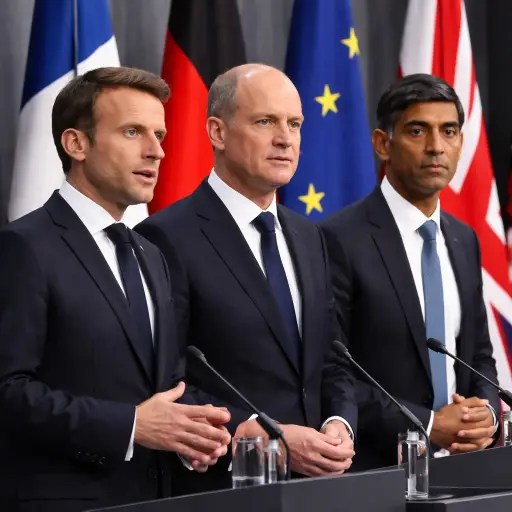
Nonetheless, the international community has reacted with consternation at the prospect of nuclear escalation. NATO officials have reiterated that any use of nuclear weapons by Russia would result in severe economic sanctions and a comprehensive military response. Analysts from the International Institute for Strategic Studies (IISS) caution that even a limited tactical strike could provoke a broader conventional NATO intervention, effectively turning a localized conflict into a wider war. Moreover, allegiance among Russia’s allies could be tested; China, while providing diplomatic cover on certain issues, has publicly expressed concerns about nuclear proliferation and the destabilizing effects of nuclear use near Europe .
Within Russia, the prospect of deploying tactical nuclear weapons has generated debate among military and political elites. Some hawkish figures in the Defense Ministry and hardline members of the State Duma advocate for a dramatic demonstration of power to deter further Ukrainian advances. Conversely, moderates within the Ministry of Foreign Affairs argue that any use of nuclear arms would isolate Russia diplomatically, undermine its long-term strategic interests, and potentially incite internal dissent. GRU operatives, known for their operational secrecy, reportedly are working to refine target lists that minimize civilian casualties to provide Putin with ‘clean options’ that could be portrayed as narrowly focused military strikes.
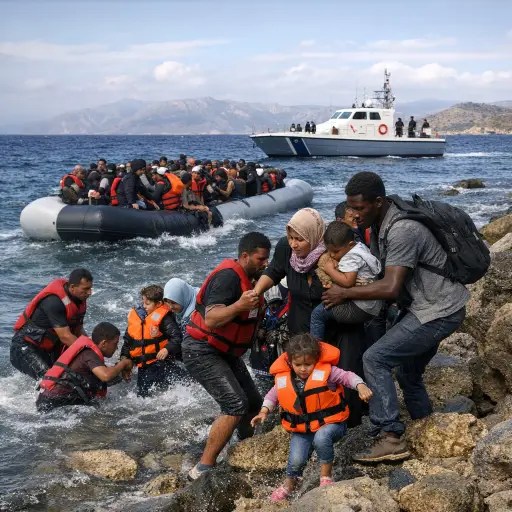
International human rights organizations, including Amnesty International and Human Rights Watch, have denounced any consideration of nuclear weapon use as a violation of international humanitarian law. They argue that even tactical nukes can cause catastrophic environmental and human consequences, leading to long-term radioactive contamination and mass displacement. The United Nations Office for Disarmament Affairs has urged the Russian government to adhere to its commitments under the Non-Proliferation Treaty and to pursue diplomatic channels to de-escalate tensions. Meanwhile, Ukraine’s government has appealed to Western partners for increased air defense capabilities to dissuade any Russian temptation to cross the nuclear threshold.
As of early June 2025, it remains unclear whether Putin will ultimately authorize the use of tactical nuclear weapons. GRU sources indicate that military exercises simulating nuclear deployments are scheduled near Russia’s western borders, suggesting a high level of readiness. However, experts note that significant logistical hurdles—such as secure command-and-control protocols, delivery system reliability, and potential defections within the officer corps—could delay or even deter actual employment. The world watches anxiously as diplomatic channels attempt last-minute interventions to avert the unthinkable.
The coming days and weeks will be critical in determining whether Putin’s rumored nuclear option remains a contingency or transforms into reality. For Ukraine and its allies, the imperative is clear: strengthen deterrence, bolster defenses, and maintain international unity. For Russia, the costs of nuclear use—licit or illicit—threaten to overshadow any perceived short-term gains. In this precarious stand-off, the choices of a single individual could irrevocably alter the security landscape of the 21st century.
 The Tower Post