Exploring the Political and Legal Aftermath of the Gaza War for Israel’s Leadership
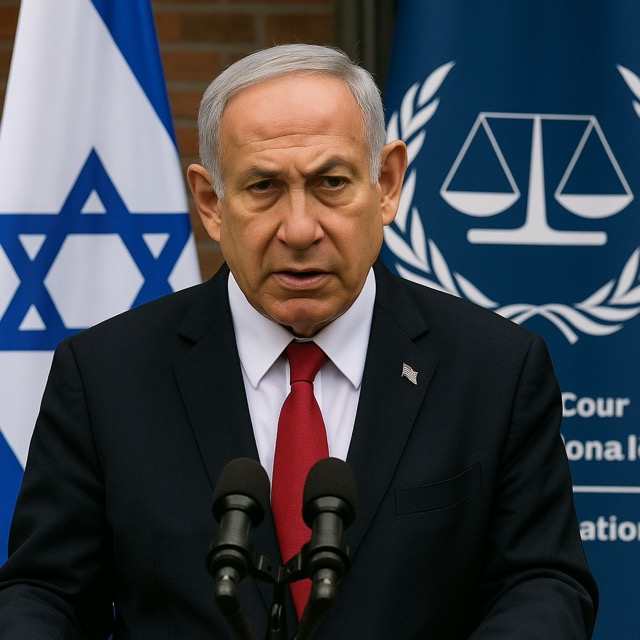
As the Gaza war moves toward a potential ceasefire, the future of Israeli Prime Minister Benjamin Netanyahu’s government may face its most significant test yet. Beyond the battlefield, a growing wave of international scrutiny is building—one that could see legal challenges escalate at the International Criminal Court (ICC). The intersection of war, politics, and justice now casts a long shadow over Israel’s leadership.
In recent months, as civilian casualties in Gaza have mounted and global outrage has intensified, the ICC has opened preliminary investigations into alleged war crimes by both Hamas and Israeli forces. For Netanyahu, this poses a direct threat not only to his political legacy but also to his continued leadership. Critics argue that his decisions during the war may expose him and senior officials to legal accountability on the international stage.
Domestically, Netanyahu still commands significant support among right-wing and nationalist factions. However, with international pressure mounting, moderate voices within Israel are beginning to question the long-term viability of his leadership. Should formal charges emerge from the ICC, the political fallout could fracture his coalition, weaken his party’s grip on power, and spark early elections.
Legal experts note that while Israel is not a party to the Rome Statute, the ICC claims jurisdiction over alleged crimes committed in Palestinian territories. This means that high-ranking officials, including Netanyahu, could face arrest warrants should they travel to countries that recognize the court’s authority. Such a move would not only tarnish Israel’s diplomatic relationships but also restrict the Prime Minister’s international mobility.
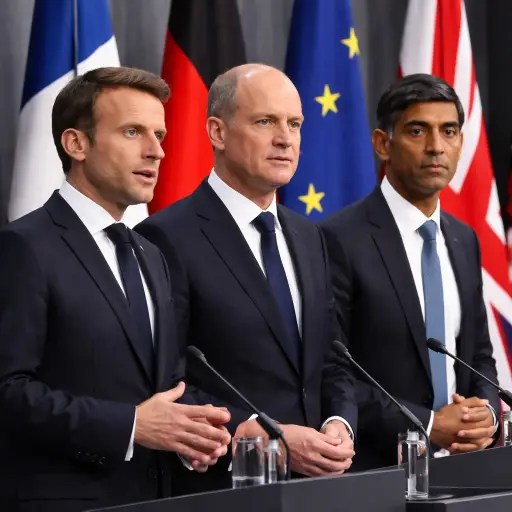
There’s also a broader geopolitical dimension. Western allies, especially the United States and European Union members, have expressed mixed reactions. While some call for accountability, others fear that ICC prosecutions could destabilize the region further or appear politically motivated. These conflicting positions complicate the path forward for both the court and Netanyahu’s government.
At home, Israeli public opinion remains divided. For some, Netanyahu is seen as a wartime leader defending national security; for others, his handling of the Gaza conflict and broader judicial reforms suggest a leadership out of touch with international norms. If the ICC proceeds with charges, it could inflame existing divisions and push Israel into a prolonged political crisis.
Ultimately, what happens after the war may be as defining as the conflict itself. If Netanyahu survives both the war and potential ICC action, he may emerge politically emboldened. If not, Israel could see a dramatic reshuffling of its political order, with long-term implications for its democracy, regional relations, and global standing.
 The Tower Post