How Europe’s conservative movements are evolving amid rising populism, economic unrest, and shifting voter sentiments
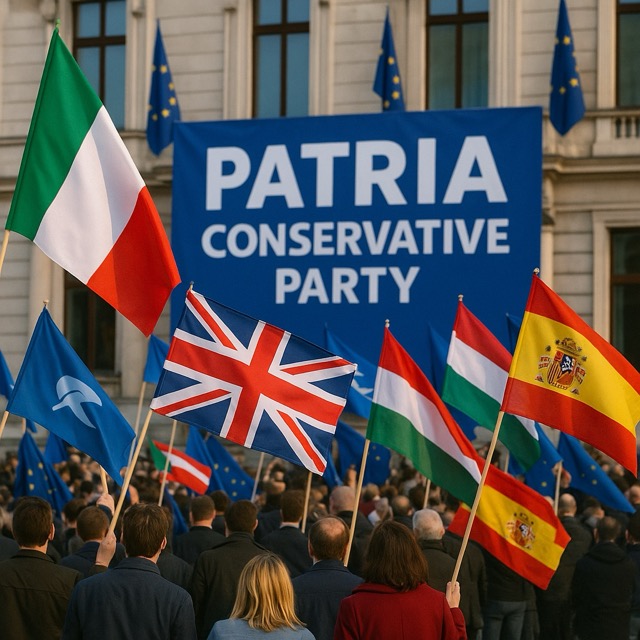
Across Europe, conservative parties are experiencing a complex transformation. While some traditional center-right movements struggle to maintain relevance in an era of polarization, others are gaining traction by embracing nationalist rhetoric and capitalizing on anxieties around migration, economic inequality, and cultural identity.
In countries like Italy, France, Hungary, and Poland, conservative parties have gained prominence, often aligning with populist or far-right ideologies. Giorgia Meloni’s Brothers of Italy, for example, has emerged as a dominant force by promoting national sovereignty, family values, and Euroscepticism. Similarly, Marine Le Pen’s National Rally continues to challenge the French political establishment by blending right-wing economics with strong anti-immigration stances.
In Eastern Europe, leaders like Viktor Orbán in Hungary and the Law and Justice party in Poland have crafted a distinctly illiberal brand of conservatism. These governments combine strict border policies and conservative social values with an assertive rejection of EU interference, drawing criticism from Brussels and liberal democracies. Yet they maintain strong support at home, especially in rural and traditionally conservative regions.
Meanwhile, in Western and Northern Europe, center-right parties face a different challenge. Germany’s CDU/CSU is striving to redefine its identity post-Merkel, competing with the rising far-right Alternative for Germany (AfD), which has surged in polls due to concerns over immigration and economic insecurity. In the Netherlands, the conservative VVD remains influential but is increasingly pushed to the right by anti-Islam populist movements.
Conservative parties across Europe are also being tested by their responses to global crises. The war in Ukraine, inflation, and climate change policies have revealed sharp divides within the right, particularly between traditional conservatives and more radical, nationalist factions. These issues are forcing parties to adapt or risk being overtaken by more extreme competitors.
European conservatism is no longer a monolithic bloc. It now spans a spectrum from moderate pro-European forces to anti-establishment populists. This diversity reflects deep societal divides, with urban and younger voters leaning liberal, while older and rural populations remain loyal to conservative ideals.
As Europe prepares for upcoming EU elections, the future of conservative parties will depend on their ability to balance national priorities with European cooperation, and to address citizens’ fears without descending into divisive politics. The next chapter for conservatism in Europe may very well shape the future of the continent’s political landscape.




 The Tower Post