Mitsubishi’s Battery Swapping Initiative Aims to Revolutionize Commercial Fleet Electrification
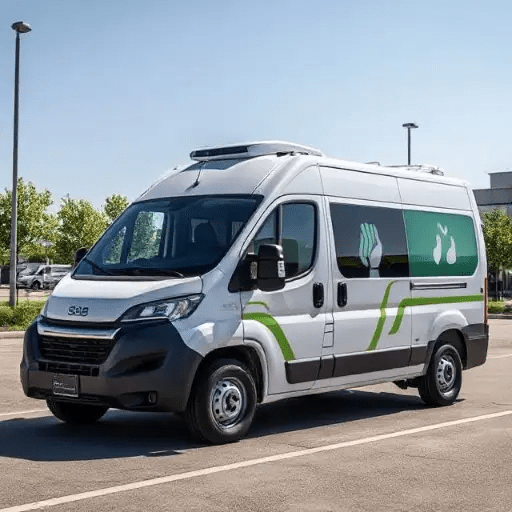
Mitsubishi Fuso Truck and Bus (MFTBC) is set to revolutionize the transportation sector in Tokyo with its ambitious battery swapping initiative, in collaboration with Mitsubishi Motors, Ample, and Yamato Transport. By September 2025, the consortium plans to introduce over 150 battery-swappable commercial electric vehicles (EVs) and establish 14 modular battery swapping stations across the city. This pioneering project follows a smaller pilot in Kyoto last year and will feature MFTBC’s eCanter light-duty truck and Mitsubishi Motors’ Minicab EV, targeting commercial delivery fleets.
Yamato Transport, the first major customer, will utilize the battery swapping technology for last-mile delivery applications. The company’s experience in pioneering commercial EV battery swapping since 2022 has laid the groundwork for this initiative. In addition, a successful pilot involving commercial delivery and battery swapping taxis in Kyoto in 2024 has demonstrated the feasibility of the technology. Ample, a US-based company, will provide the technology and operate the swapping stations, aiming to reduce greenhouse gas emissions in the densely populated city.
The Tokyo Metropolitan Environment Public Corporation is backing the project through its “Technology Development Support Project for Promoting New Energy”, aligning with Japan’s climate goals. The country aims to reduce greenhouse gas emissions by 46% from 2013 levels by 2030 and achieve carbon neutrality by 2050. With the transportation sector responsible for nearly 19% of the country’s CO₂ emissions in 2022, commercial fleet electrification is a strategic priority for Japan’s decarbonisation efforts.
The consortium is targeting battery swapping times of just five minutes, offering a fully automated service where drivers do not need to exit their vehicles. Ample’s compact and rapidly deployable stations are a practical solution for high-utilisation fleets in dense urban areas like Tokyo. Future expansions of this initiative may include grid services, such as renewable energy storage, to further reduce greenhouse gas emissions.
The success of this initiative has the potential to set a new standard for sustainable transportation in Tokyo and beyond. It is a significant step towards a greener future and a reduction in the city’s reliance on fossil fuels. As the world continues to grapple with the challenges of climate change, initiatives like Mitsubishi’s battery swapping initiative offer a beacon of hope for a more sustainable tomorrow.
Key Benefits of the Initiative:
Reduced greenhouse gas emissions: By utilizing battery swapping technology, the consortium aims to reduce emissions from commercial fleets in Tokyo.
Increased efficiency: The automated battery swapping process will enable faster and more efficient vehicle operation.
Enhanced sustainability: The initiative promotes the adoption of renewable energy sources and reduces the city’s reliance on fossil fuels.
A Sustainable Future for Tokyo:
The success of Mitsubishi’s battery swapping initiative has the potential to inspire a new wave of sustainable transportation projects in Tokyo. As the city continues to grow and develop, initiatives like this will be crucial in reducing emissions and promoting a greener future. With its commitment to innovation and sustainability, Mitsubishi is leading the way towards a more environmentally friendly transportation sector.




 The Tower Post