In March, a 46,000-tonne tanker was captured for allegedly importing fuel illegally from the United States
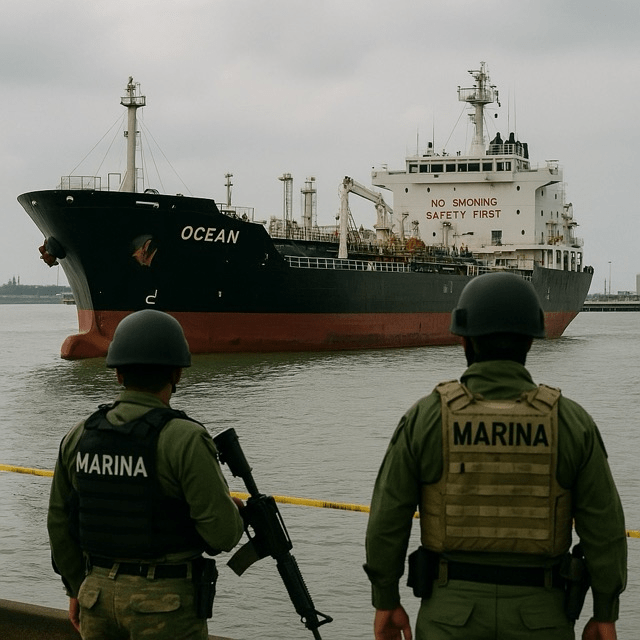
In a dramatic operation earlier this year, Mexican authorities seized a 46,000-tonne vessel off the nation’s Gulf Coast, suspecting it of illegally importing fuel from the United States. The March seizure underscores ongoing efforts by the Mexican government to combat fuel smuggling, which continues to undermine the country’s energy security and regulatory integrity.
The vessel, identified by officials as registered under a foreign flag, was intercepted during a routine inspection by the Mexican Navy and customs enforcement units. It was carrying a substantial load of refined fuel, believed to have been transported across the border without proper documentation or import duties.
Preliminary investigations suggest that the ship departed from a U.S. Gulf Coast port and attempted to dock at a Mexican facility under false pretenses. The crew allegedly failed to provide necessary import permits, raising red flags that triggered a full inspection and eventual seizure. Authorities are working in coordination with the Attorney General’s Office and PEMEX, Mexico’s state-owned petroleum company, to further investigate the incident.
Fuel smuggling has long plagued Mexico, where disparities in fuel prices between the U.S. and Mexico create strong incentives for illicit trade. The black-market activity not only causes substantial revenue losses for the Mexican treasury but also fuels corruption and criminal enterprise along critical supply chains.
President Andrés Manuel López Obrador’s administration has made combating energy theft a national priority. In recent years, several crackdowns have targeted both land-based fuel theft from pipelines—often referred to as “huachicoleo”—and maritime smuggling operations. This latest seizure is one of the largest marine fuel smuggling cases in recent history.
“The illegal importation of hydrocarbons threatens not only our economy but also our national sovereignty,” said Mexico’s Secretary of the Navy in a press briefing following the operation. The statement emphasized that stricter maritime surveillance and inter-agency collaboration will continue to be central to national security efforts.
While no formal charges have been announced against the crew, the ship remains impounded at a secure port, and the investigation is ongoing. Legal experts suggest that if found guilty, the operators could face heavy fines, asset forfeiture, and even criminal prosecution under Mexican customs and environmental laws.
Meanwhile, U.S. authorities have pledged to cooperate with their Mexican counterparts to ensure transparency and accountability. The incident is expected to prompt further scrutiny of cross-border fuel shipments and the regulatory gaps that allow such operations to occur undetected.
As Mexico intensifies its fight against illicit energy flows, the March seizure stands as a stark reminder of the challenges involved in policing international waters and enforcing national laws in a globalized economy.




 The Tower Post