A Disruptive Incident Highlights Security Concerns at Public Events
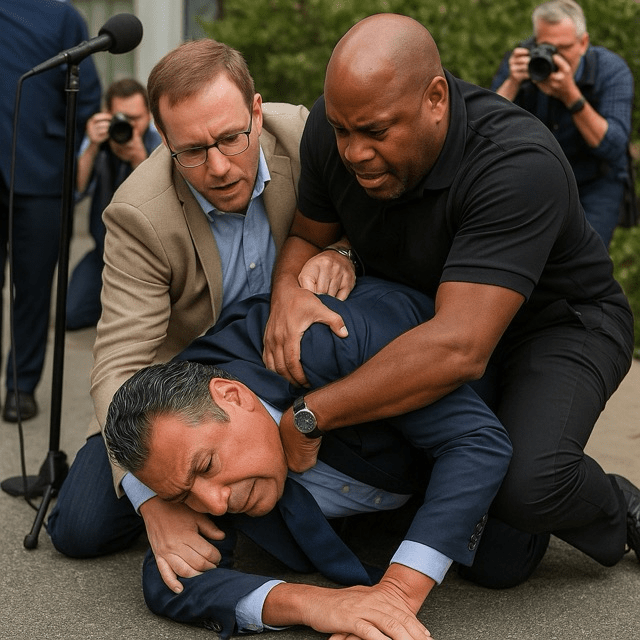
On June 12, 2025, during a routine press conference in downtown Los Angeles, a dramatic moment unfolded when US Senator Alex Padilla was suddenly wrestled to the ground by an unidentified assailant. The event, intended to address local infrastructure funding, quickly turned chaotic as security personnel and aides rushed to intervene. The senator, visibly shaken but unharmed, was shortly escorted off the stage amid questions and confusion from reporters and onlookers.
Witnesses describe Padilla taking questions about a proposed transportation bill when a figure emerged from the crowd and lunged toward him. The assailant, sporting a baseball cap and casual attire, grabbed the senator’s arm and forcefully brought him to the ground. Key staff members reacted within seconds, subduing the individual and securing the area. According to a Capitol Police spokesperson, no weapons were found on the suspect, whose motives remain unclear pending further investigation.
Senator Padilla later released a statement expressing gratitude for the quick actions of his security detail. “I am thankful for the professionalism of my team and the law enforcement officers on site,” he said. “Fortunately, no one was seriously hurt. We will continue our work to improve the lives of Californians without hesitation.” Photographs taken during the incident show Padilla in a defensive posture before being helped to his feet, his composure returning as he addressed the gathered press.
The incident underscores growing concerns over the safety of public officials. In recent years, heightened political tensions have led to increased scrutiny of security protocols at town halls and media events. Experts suggest that while high-profile figures typically undergo screening processes, the unpredictable nature of live audiences poses ongoing challenges. “Even with rigorous planning, there is an inherent risk when events are open to the public,” noted Dr. Evelyn Carver, a security analyst at the University of Southern California.
Law enforcement agencies in Los Angeles have launched an inquiry to determine if any lapses in protocol occurred. Surveillance footage from nearby cameras is being reviewed, and officials are examining whether the suspect had advance knowledge of the event or connections to extremist groups. Meanwhile, local authorities are coordinating with the Senate Sergeant-at-Arms to assess and reinforce security measures for upcoming appearances.
Political reactions were swift. California Governor Gavin Newsom called the incident “a disturbing breach of civil discourse” and vowed support for the senator’s office. House Speaker Nancy Pelosi also condemned the act, stating that “violence has no place in our democracy.” Some commentators, however, cautioned against over-securitization, warning that excessive barriers could alienate constituents and erode public engagement.
Despite the drama, the press conference resumed after a brief delay. Senator Padilla addressed reporters, emphasizing the importance of resilience in public service. He reiterated his commitment to bipartisan collaboration and announced plans to continue the tour of Southern California communities. “We cannot let fear or intimidation derail our mission,” he declared.
As investigations continue, the incident raises broader questions about balancing accessibility with safety. Communities nationwide are watching closely as the Capitol Police and local agencies refine their strategies. For Senator Padilla, the event serves as a reminder of the unpredictable risks elected officials face—and of the resolve required to confront them.

 The Tower Post