A New Era of Peer-to-Peer EV Rentals
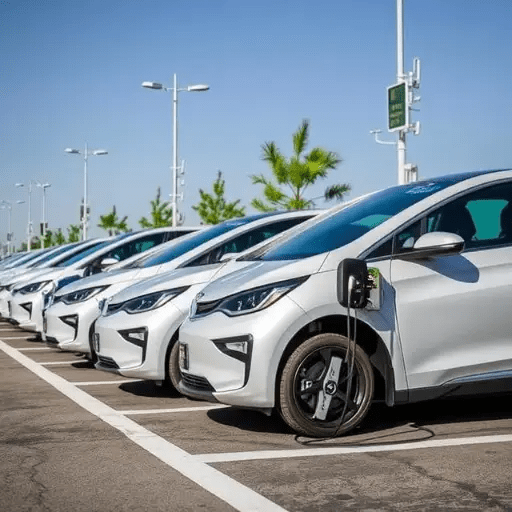
Hebron Sher, co-founder of Zevo, remembers the day Elon Musk promised Tesla’s cars would become robotaxis, capable of generating income for owners. The idea was tantalizing, but as the years went by, Musk failed to deliver on that promise. Undeterred, Sher assembled a team and brought on co-founder Saimah Chaudhry to start his own company. The result is Zevo, a peer-to-peer car-sharing startup that focuses exclusively on electric vehicles, revolutionizing the way people rent and own cars.
Launched just 10 months ago, Zevo has already gained significant traction, with over $8 million in annualized recurring revenue and a waitlist of more than 3,500 customers. The startup’s secret sauce, according to Sher, lies in its ability to automate the car-sharing process, eliminating the need for owners to hand over keys or key cards. This “contactless” process, combined with the platform’s exclusive focus on EVs, makes it easier to integrate commercial insurance and other important features, providing a seamless experience for both hosts and renters.
The result is a platform that is attractive to gig workers, who can rent EVs to ferry passengers on Uber or Lyft, or make DoorDash deliveries. In fact, 90% of Zevo’s renters use the platform for these purposes, with some 35% of users making a median rental of around 80 days. Hosts, meanwhile, can make back between 35% and 65% of the cost of their car in just a year, making Zevo an attractive option for those looking to monetize their vehicles.
Sher’s approach is a far cry from the traditional venture capital model, which often requires companies to spend heavily on marketing and other expenses. By bootstrapping Zevo, Sher was able to gather good engineers and develop a strong go-to-market strategy, allowing the company to send more money to vehicle owners than they would on platforms like Turo. This frugal approach has also allowed Zevo to maintain a lean team, with Sher confident that the company can break $100 million in annual recurring revenue with a staff of just 30 people and minimal future investment.
While Tesla is finally on the precipice of launching a robotaxi service, Sher is confident that Zevo’s focus on car-sharing will allow it to maintain its lead in the market. Even if Tesla were able to eat into the gig economy with a fleet of robotaxis, Sher believes there is enough demand for everyone in the market. “There’s enough for everybody here on the table,” he said, highlighting the vast potential of the car-sharing industry.
As Zevo continues to disrupt the car-sharing industry, one thing is clear: the company’s innovative approach has already made a significant impact. With its focus on EVs and contactless rentals, Zevo is poised to become a major player in the peer-to-peer car-sharing market, changing the way people interact with cars forever.
Key Statistics:
Over $8 million in annualized recurring revenue
Waitlist of more than 3,500 customers
90% of renters use the platform for gig work
35% of users make a median rental of around 80 days
Hosts can make back between 35% and 65% of the cost of their car in just a year




 The Tower Post