Brussels Proposes Measures to Curb Financing of Sanctioned Moscow Trade
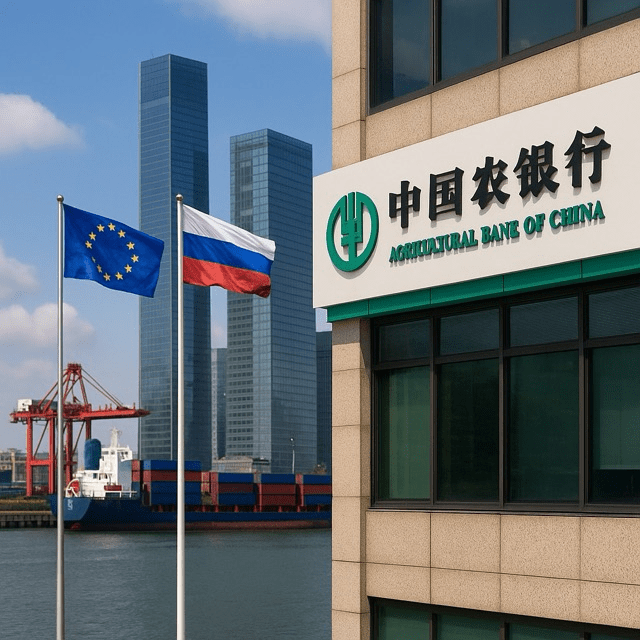
The European Union has turned its spotlight on major Chinese financial institutions facilitating trade with Russia, considering a suite of measures aimed at curbing sanction evasion and tightening oversight. In a policy paper released on June 16, 2025, the European Commission proposed enhanced reporting requirements for EU-based banks dealing with Chinese counterparties, as well as targeted restrictions on correspondent banking relationships deemed high risk for funneling goods and finance into Moscow.
Over the past two years, trade between China and Russia has surged, propelled by Beijing’s purchase of Russian energy at discounted rates and Moscow’s reliance on Chinese imports to offset Western sanctions. European diplomats express concern that Chinese banks, acting as intermediaries, enable the flow of petro-dollars and vital components that fuel Russia’s defense industries. While the EU sanctions directly bar European entities from certain transactions, the absence of equivalent restrictions on Chinese banks has created a loophole Brussels now seeks to close.
Under the proposals, Chinese institutions with significant exposure to sanctioned Russian entities would face “enhanced due diligence” obligations when clearing transactions in euros. This could include mandatory notification to the European Banking Authority and restrictions on access to the Single Euro Payments Area (SEPA) for flagged accounts. Additionally, the Commission suggests publicly disclosing Chinese banks with extensive Russia links, a move aimed at galvanizing market discipline and deterrence.
China’s central bank and financial regulators have historically maintained close ties with state-owned commercial banks, many of which lead in financing Russia-China trade. The EU’s draft impact assessment highlights that the top five Chinese lenders—ICBC, China Construction Bank, Agricultural Bank of China, Bank of China, and Bank of Communications—account for over 60% of financing tied to Russian energy and commodities. Brussels warns that without corrective steps, these channels could undercut Western financial sanctions and embolden further Kremlin aggression.
European banking associations have signaled cautious support, acknowledging the need to preserve sanction integrity while avoiding unintended disruptions to legitimate trade finance. “We back proportionate measures that target risk without fracturing the global banking system,” said a spokesperson for the European Banking Federation. However, some member states raise reservations, fearing collateral harm to EU exporters reliant on Chinese markets for payment services.
Legal experts note that implementing restrictions on non-EU banks raises complex jurisdictional issues. Under the proposed framework, any EU-based branch or subsidiary of a sanctioned Chinese bank would be subject to the enhanced regime, but enforcers must navigate international banking agreements and potential disputes at the World Trade Organization. Brussels plans to engage Beijing diplomatically to explain the rationale and mitigate tit-for-tat responses that could spill over into broader economic retaliation.
Parliamentary debate is expected in July, where MEPs may push for further steps, including asset freezes on individual bank executives or designation of Russian-linked Chinese banks under the EU’s anti-money laundering directive. European Commission Vice President Valdis Dombrovskis emphasized that the measures are not aimed at severing EU-China financial ties, but at reinforcing the credibility of sanctions on Russia: “We must ensure that our financial firewall is watertight,” he stated.
Observers warn that Beijing’s reaction will be closely watched in capitals worldwide. While China has maintained a polite public silence in response to earlier EU sanctions on Russia, insiders suggest that financial coercion could prompt China to diversify away from euro clearing, potentially shifting more trade settlement into yuan or other currencies. Such a shift could accelerate efforts to de-dollarize global trade, a development Brussels prefers to manage in coordination with allies.
As the EU balances economic integration with security imperatives, its targeting of Chinese banks underscores a broader strategic pivot. Financial channels are emerging battlegrounds in the contest between Western-led sanction regimes and rival economic blocs. For Brussels, ensuring that the fight against illicit finance remains inconclusive will test both legal ingenuity and diplomatic finesse in the months ahead.

 The Tower Post