Analyzing the dynamics of Donald Trump’s confrontational agenda at the 2025 G7 summit in Kananaskis
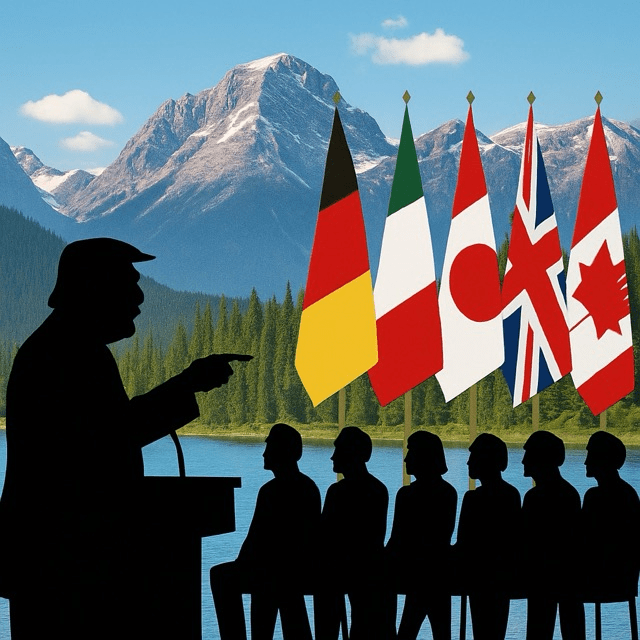
As the 51st G7 summit convenes from June 15 to 17 in Kananaskis, Alberta, global attention centers on whether President Donald Trump will once again position the United States at odds with its traditional allies. Trump’s “America First” rhetoric, manifested through threats of tariffs and annexation remarks, has already strained diplomatic relations upon his return to the summit stage after his disruptive departure in 2018. With security concerns ranging from conflict in the Middle East to economic instability in Europe, leaders face the delicate task of balancing firm pushback against Trump’s demands while preserving unified action on urgent global crises.
President Trump’s unpredictable approach has raised the stakes for Canada, the host nation. Prime Minister Mark Carney has publicly declined to issue a joint communique, a rare break from G7 tradition aimed at avoiding public discord. Yet behind closed doors, bilateral talks and intelligence briefings have taken precedence, reflecting an aversion to letting Trump’s theatrics derail substantive progress. European leaders, in particular, are wary: they view Trump’s prior tariff impositions and comments about annexing Canada or Greenland not only as conversational provocations but as policy signals that could jeopardize trade and security partnerships.
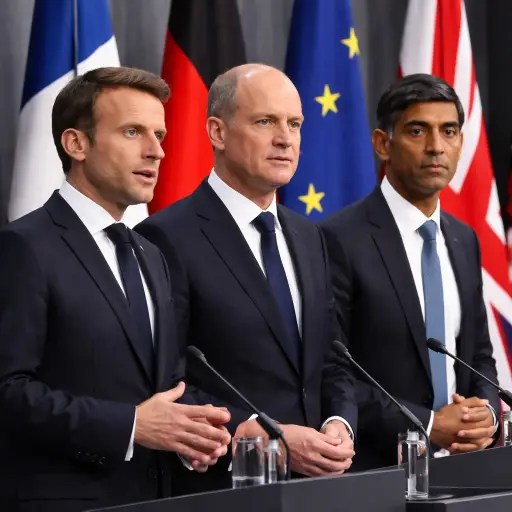
Key agenda items include enforcing sanctions on Russia and responding to the Middle East conflicts, especially Israel’s operations in Iran and Tehran’s retaliatory threats. Trump’s staunch support for Israel’s right to self-defense contrasts with calls from G7 partners for de-escalation in Gaza and caution over further nuclear proliferation. British Prime Minister Keir Starmer and French President Emmanuel Macron have urged restraint, warning that unchecked retaliation risks a wider regional conflagration.
Economic policy also tests alliance cohesion. Trump has proposed new tariffs on European and Canadian imports to protect purportedly unfair trade practices, echoing his expansive use of economic coercion on the G7 stage. Allied leaders must decide whether to retaliate with countermeasures or absorb the impact to avoid a full-blown trade war. As they negotiate supply chain security—particularly for critical minerals in China’s orbit—any unilateral tariff moves by the U.S. risk undermining collective efforts toward technological and environmental goals.
Perhaps most symbolically, the summit features a rare guest lineup: Ukraine’s President Volodymyr Zelenskyy, South Africa’s head of state, and leaders from India and other non-G7 nations. Their presence underscores an effort by Canada to broaden the forum’s focus beyond a narrow Western axis. Trump’s preference for one-on-one meetings may hamper multilateral sessions, but his bilateral calls with Zelenskyy and Australia’s Anthony Albanese will be closely watched for signs of new security commitments or trade concessions.
Looking ahead, analysts warn that replicating the 2018 breakdown—when Trump withdrew U.S. endorsement of the communique—would signal a deeper fracturing of Western alliances at a time when unity is essential. The absence of a collective statement could embolden adversaries and undercut coordinated responses to Russia’s aggression, Iran’s nuclear ambitions, and China’s expanding global influence. As cameras capture the formal proceedings, the true verdict on Trump’s standing with his peers will emerge in unscripted corridor encounters and post-summit communiques from capitals around the world.
 The Tower Post