Strengthening Europe’s diplomatic unity in an increasingly volatile global landscape
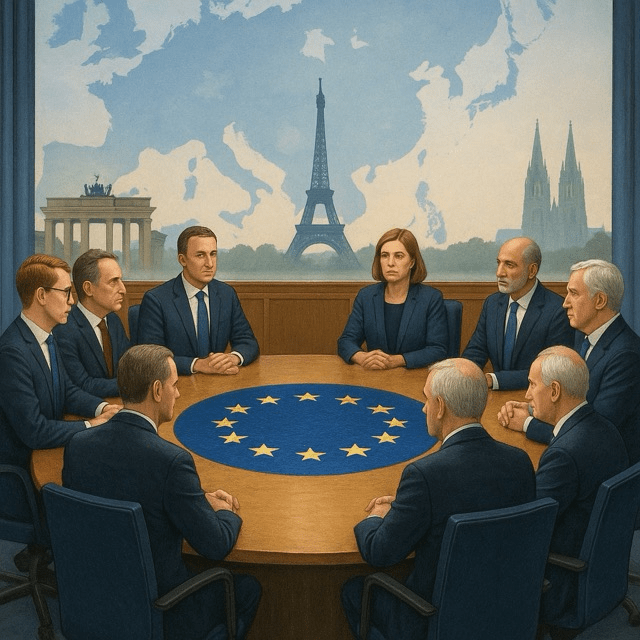
In an era marked by geopolitical volatility, the European Union faces an unprecedented imperative to synchronize the actions of its 27 foreign ministers. From the ongoing conflict in Ukraine to escalating tensions in the Middle East, and the strategic rivalry with China, Europe’s external environment demands a cohesive and rapid diplomatic response. Yet, despite shared interests and collective security commitments, the EU’s foreign policy apparatus often suffers from fragmentation. Establishing a robust coordination mechanism for the bloc’s top diplomats would enhance Europe’s ability to project influence, safeguard its values, and protect its citizens abroad.
Historically, EU foreign policy has evolved through a complex interplay between intergovernmental decision‑making and supranational institutions. The High Representative of the Union for Foreign Affairs and Security Policy—currently Josep Borrell—serves as the bloc’s chief diplomat, but his capacity to lead is constrained by the need for unanimity among member states. Regular meetings of foreign ministers under the rotating Council Presidency offer a forum for discussion, yet these sessions often yield only broad declarations rather than concrete joint initiatives. This structural inertia undermines the EU’s credibility on the world stage and hampers swift responses to emergent crises.
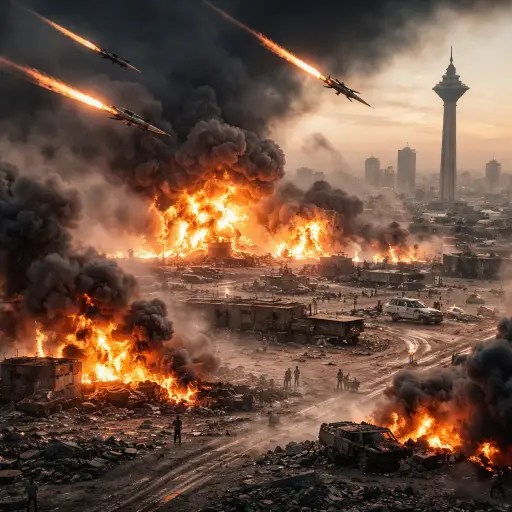
The past few years have underscored the stakes. Russia’s full-scale invasion of Ukraine in February 2022 tested the EU’s unity, resulting in unprecedented sanctions but also exposing divergent national dependencies on Russian energy. Similarly, the rapid collapse of the U.S. withdrawal from Afghanistan in 2021 highlighted deficiencies in European contingency planning. More recently, attacks on commercial shipping in the Red Sea and the humanitarian crisis in Gaza have required coordinated diplomatic outreach and humanitarian channels—areas where the EU’s ad hoc approach has sometimes fallen short.
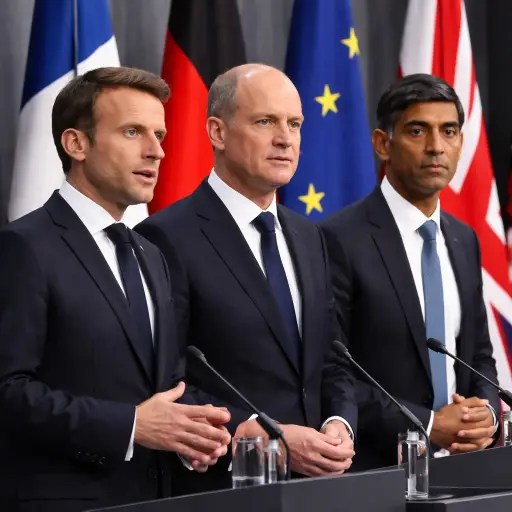
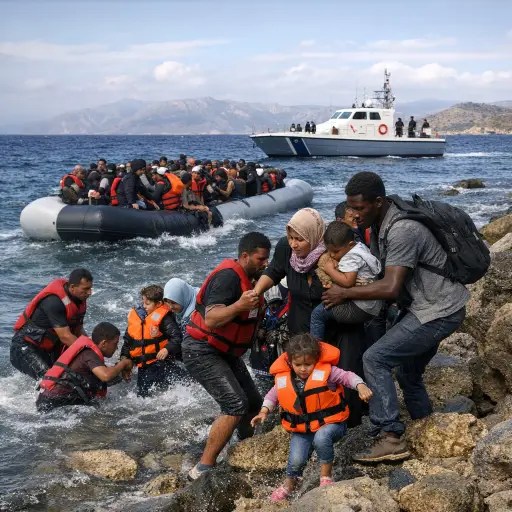
Effective coordination among the 27 foreign ministers would yield multiple strategic advantages. First, a unified negotiating stance amplifies the EU’s bargaining power, whether in talks with Belarus over migration, China on trade and human rights, or the United States regarding NATO burden-sharing. Second, shared intelligence and pooled resources can streamline crisis management, from evacuations of EU nationals to the delivery of humanitarian aid. Third, a synchronized communication strategy ensures that the EU’s messaging remains consistent, minimizing confusion among partners and adversaries alike.
Implementing a permanent coordination platform could build on existing structures. One model is to convene monthly ministerial “network sessions” chaired by the High Representative, rotating among member‑state capitals. These sessions would operate under a clear mandate, empowered to adopt binding guidelines on sanctions, peacekeeping missions, and diplomatic postings. A digital “coordination dashboard” could track collective decisions, associated budgets, and implementation timelines, visible to all member states. Additionally, an EU crisis‑response cell—staffed by national diplomatic experts—would stand ready to activate joint measures within 48 hours of a qualifying event.
Despite these benefits, significant challenges must be addressed. National sovereignty concerns remain paramount; member states jealously guard their bilateral ties and may resist binding commitments. Divergent threat perceptions—such as between states on the EU’s eastern flank versus those in southern Europe—complicate consensus-building. To mitigate these tensions, a tiered coordination approach could allow for “coalitions of the willing” on specific dossiers, while preserving opt‑out clauses for less sensitive decisions. Transparent reporting and peer‑review mechanisms would reinforce accountability without eroding national prerogatives.
Two case studies illustrate the potential impact. In the wake of Russia’s aggression, a unified EU strategy enabled rapid sanctions and military aid to Ukraine, demonstrating the bloc’s capacity when united. Conversely, the fragmented humanitarian response to the Gaza crisis revealed gaps: while some member states independently funded relief convoys, the absence of an integrated EU framework delayed large‑scale coordination. A pre‑agreed ministerial protocol could have synchronized support, leveraged European Civil Protection Mechanism assets, and maximized diplomatic leverage for ceasefire negotiations.
To translate vision into reality, the European Council should mandate the establishment of an “EU Foreign Ministers Forum” at its next summit. The forum’s charter must specify decision‑making processes, budgetary provisions, and staffing requirements. Furthermore, the EU should allocate additional resources to the European External Action Service (EEAS) to bolster its analytical and operational capacities. Complementary reforms to the EU budget—such as a dedicated “Foreign Policy Instrument” line—would provide predictable funding for joint initiatives.
In conclusion, Europe stands at a pivotal juncture where global challenges test the limits of national diplomacy. By forging a coherent coordination mechanism for the 27 foreign ministers, the EU can transcend procedural gridlock and act as a unified geopolitical actor. Such a transformation would not only reinforce European security and prosperity but also uphold the Union’s foundational commitment to peace, human rights, and international cooperation. The time for fragmented diplomacy has passed; Europe must speak with one voice on the world stage.
 The Tower Post