Examining the strategic, diplomatic, and operational ramifications of supplying earth-penetrating munitions
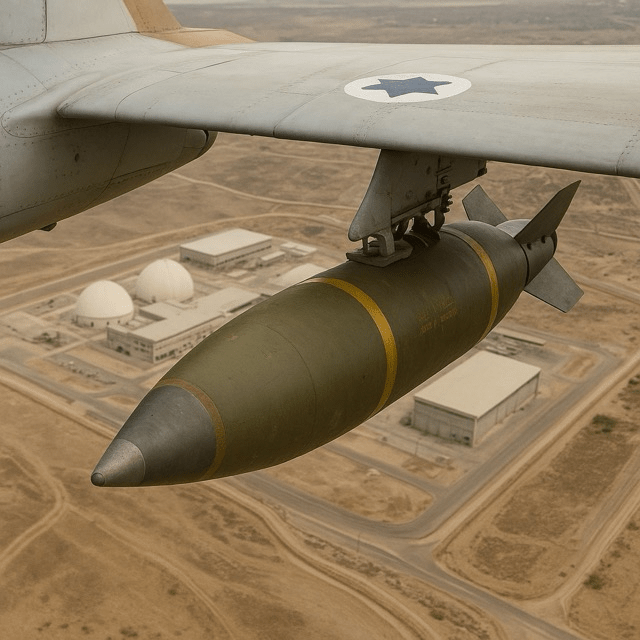
In an era where nuclear proliferation poses an existential threat to regional and global security, the prospect of the United States providing Israel with advanced bunker-busting munitions to target Iran’s underground uranium enrichment sites has sparked intense debate. These earth-penetrating bombs—designed to destroy deeply buried facilities—represent a significant escalation in conventional capabilities. As Iran continues to expand and harden its nuclear infrastructure, this potential transfer underscores the heightened strategic calculus in Washington and Jerusalem, where the pursuit of deterrence and preemption intersects with diplomatic imperatives.
The technical specifications of modern bunker busters, such as the Massive Ordnance Penetrator (MOP), allow them to burrow through tens of meters of reinforced concrete before detonation. Israel’s air force, already possessing precision-guided platforms, would theoretically gain the capacity to neutralize Iran’s most fortified centrifuge halls and command bunkers. Proponents argue that this capability could serve as a critical deterrent, convincing Tehran’s leaders that their covert enrichment programs are no longer invulnerable. Conversely, critics warn that reliance on military solutions could undermine ongoing diplomatic efforts and provoke a dangerous arms race.
From a policy perspective, the Trump administration faces a delicate balancing act. While committed to preventing Iran from acquiring a nuclear weapon, the administration has also sought to revive elements of the Joint Comprehensive Plan of Action (JCPOA). Supplying bunker busters to Israel might reassure regional allies of U.S. resolve, yet it could alienate European partners and reinforce hardline factions in Tehran, who view Western military options as evidence of malign intent. Tehran has consistently denounced any external interference, warning of “harsh retaliation” should its sovereignty be threatened.
Israeli leadership, grappling with intelligence reports that Iran’s enrichment capacity is nearing weapons-grade thresholds, considers the bunker buster option as part of a broader strategic toolbox. Military planners emphasize that targeting centrifuge cascades deep within fortified facilities could set back Iran’s timeline by years. However, operationalizing such a strike would require meticulous planning to minimize collateral damage and avoid civilian casualties. Israel’s long-standing policy of precision engagement would be tested by the immense destructive power of these munitions, raising critical ethical and legal questions.
Regional dynamics also play a pivotal role. Gulf Cooperation Council (GCC) states, alarmed by Iran’s regional influence, might quietly support enhanced Israeli capabilities. Yet, public affirmation of such support remains unlikely given domestic sensitivities. Meanwhile, non-state actors allied with Iran could escalate asymmetric attacks against U.S. and allied assets across the Middle East, potentially triggering a wider conflict. The risk of miscalculation underscores the fragile equilibrium maintained by deterrence and diplomacy in the region.
Should Washington decide to transfer bunker-buster munitions, it would mark the most overt conventional arms boost to Israel in recent years. The conceivable sale would involve stringent end-use monitoring and conditionality, binding Israel to specific operational parameters. Congressional oversight would be critical, with lawmakers demanding clarity on the strategic rationale and legal basis under both U.S. and international law. Debates on Capitol Hill will likely reflect the broader partisan divide over Middle East policy and the role of military versus diplomatic tools.
As discussions continue behind closed doors in Washington and Jerusalem, the world watches closely. The potential provision of bunker busters to Israel encapsulates the complexity of addressing Iran’s nuclear ambitions—where military innovation, diplomatic negotiation, and regional politics converge. Ultimately, the decision will reverberate far beyond the Middle East, shaping perceptions of U.S. commitment, Israeli resolve, and the viability of averting nuclear proliferation through a combination of force and dialogue.



 The Tower Post