Exploring Beijing’s multifaceted approach to extract classified data from global actors
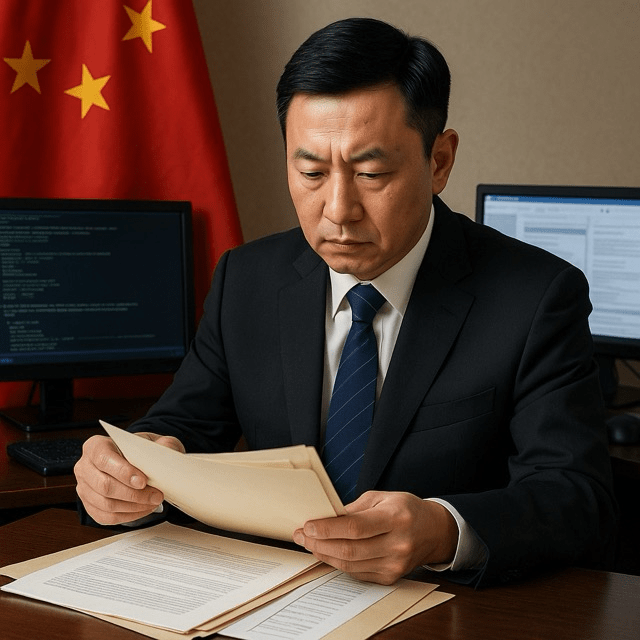
In recent years, the People’s Republic of China has intensified its efforts to acquire sensitive information from governments, corporations, and academic institutions worldwide. This strategy encompasses both overt and covert methods—ranging from formal requests under diplomatic channels to elaborate cyber-espionage campaigns. Chinese state actors leverage economic leverage, legal tools such as data localization laws, and sophisticated hacking units to compel or trick target entities into sharing proprietary and classified data.
A central pillar of Beijing’s approach involves leveraging economic dependence. Through initiatives like the Belt and Road Initiative (BRI), China offers infrastructure investments and preferential market access in exchange for cooperation on data sharing. Host countries, eager for funding, often acquiesce to Chinese demands for access to project designs, geological surveys, and even regulatory frameworks. In some cases, joint ventures require foreign partners to host data on servers located in mainland China, subjecting them to the National Intelligence Law, which obligates organizations to assist state intelligence work.
In parallel, China has utilized formal diplomatic and legal instruments to request information. Under the guise of anti-corruption cooperation and mutual legal assistance treaties (MLATs), Chinese authorities have submitted voluminous data requests to foreign governments. While many such requests are legitimate, analysts note a growing pattern of fishing expeditions—broad, vaguely worded inquiries aimed at uncovering sensitive materials. Compliance with MLAT requests can inadvertently funnel strategic data on defense procurement, high-tech research, and senior leader communications to Beijing.
Cyber operations remain the most controversial component. China’s cyber-espionage units, often linked to the People’s Liberation Army’s Strategic Support Force, conduct targeted intrusions into government networks and critical infrastructure. Notable breaches include the compromise of a defense contractor’s systems in Europe and the infiltration of a major pharmaceutical company’s R&D databases. Through bespoke malware and phishing campaigns tailored to individual targets, Chinese hackers exfiltrate blueprints, policy documents, and intellectual property—fueling both economic and military advancements.
Another evolving tactic is the use of front companies and research partnerships. Chinese technology firms, some with indirect state connections, establish joint labs and incubators with universities in the West. While promoting academic exchange, these partnerships also grant Chinese entities access to cutting-edge research in artificial intelligence, biotechnology, and quantum computing. Under academic openness norms, such collaborations often bypass stringent export controls, allowing dual-use technologies to flow into Chinese hands without triggering national security reviews.
Beijing also turns to human intelligence sources. Through Confucius Institutes and cultural exchange programs, Chinese officials cultivate relationships with researchers, journalists, and government advisors. Under hospitality that includes invitations, honoraria, and travel perks, some individuals unwittingly share draft policy papers, strategic analyses, or proprietary research. While most participants remain uninvolved in espionage, the cumulative effect generates valuable insights into foreign decision-making processes and technical roadmaps.
International responses have gradually hardened. The United States has implemented stricter review processes for research grants and conducted counterintelligence training for academics. Europe’s GDPR framework has been invoked to challenge forced data transfers to China, while Australia and Canada have enacted foreign interference laws limiting foreign government influence in local institutions. Multilateral dialogues, such as the Five Eyes alliance, facilitate intelligence sharing on Chinese espionage patterns, enabling proactive defense measures.
China’s information-demanding strategy underscores the blurred lines between economic engagement and national security threats. As global interdependence deepens, states and organizations face the challenge of preserving openness and collaboration without compromising critical data. Strengthening legal frameworks, investing in cyber defenses, and enhancing transparency in research partnerships are vital steps. Ultimately, balancing the benefits of engagement with China against the risks of strategic vulnerability will define the security landscape for the coming decade.




 The Tower Post