Analyzing the recent wave of detentions and its impact on Georgian democracy
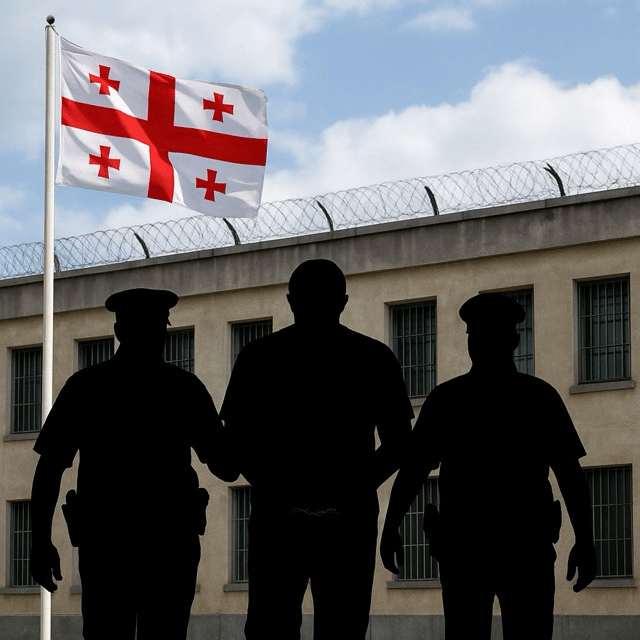
In June 2025, Georgia witnessed the detention of its third prominent opposition figure in the span of a single month, marking a dramatic escalation in the ruling Georgian Dream party’s crackdown on dissent. On June 13, Nika Gvaramia, leader of the pro‑Western Coalition for Change, was ordered to pre‑trial detention for up to nine months by the Tbilisi City Court. Gvaramia’s imprisonment followed similar actions against Zurab Japaridze and Nika Melia, both key figures in the opposition, sparking widespread concern about the future of pluralistic politics in the country.
The arrests form part of a broader pattern that began in late May, after mass protests erupted following the contested parliamentary elections in October 2024. Opposition leaders accused the Georgian Dream administration, led by oligarch-turned-politician Bidzina Ivanishvili, of electoral fraud and of steering the country away from its European Union accession path. Demonstrators demanded new elections and an end to perceived Russian influence behind the scenes. In response, the government labeled protests unlawful and introduced stringent measures, including a new “foreign agents” law that critics say targets NGOs and independent media.
The first of these recent detentions occurred on May 30, when Coalition for Change deputy chairman Zurab Japaridze was arrested for failing to appear before a parliamentary investigative commission examining alleged abuses by the previous United National Movement government. Japaridze’s supporters viewed the summons as politically motivated, a move to stifle his vocal criticism of both the ruling party and the parliamentary process itself. His detention prompted solidarity protests in Tbilisi, which authorities swiftly dispersed, resulting in dozens of further arrests.
Just days later, on June 2, another opposition stalwart, former United National Movement chairman Nika Melia, was taken into custody on charges of insulting a law enforcement officer during a January rally. Despite being released on bail, Melia’s brief imprisonment was emblematic of the judiciary’s increased willingness to utilize criminal statutes to punish dissent. His detention reignited street demonstrations, with protesters decrying what they described as politically selective justice and demanding an independent judiciary.
Gvaramia’s arrest deepened fears of an authoritarian slide. As a former media executive and government minister under Mikheil Saakashvili, Gvaramia had a high profile both domestically and abroad. The charge against him—refusal to cooperate with a parliamentary investigative commission—resulted in a hefty nine‑month pre‑trial detention order without bail. International observers, including the European Parliament and the U.S. Department of State, have publicly urged Tbilisi to respect democratic norms and ensure fair legal processes for all political actors.
Domestically, the detentions have fractured public trust. Polls indicate a growing perception among Georgians that the judiciary is no longer impartial. Civil society groups report an uptick in summonses and investigations targeting activists, journalists, and ordinary citizens who supported the election protests. In a June 10 statement, the Georgian Young Lawyers’ Association warned that “political prosecutions are undermining the rule of law and the rights guaranteed under Georgia’s constitution.”
The ruling Georgian Dream party defends the detentions as lawful and necessary. Government spokespeople argue that all citizens, regardless of political affiliation, must comply with judicial inquiries and that the opposition is exploiting legal processes for political gain. Prime Minister Irakli Kobakhidze has dismissed international criticism as “interference” in Georgia’s internal affairs, framing the party’s actions as part of a broader effort to root out corruption and ensure accountability.
Looking ahead, the third arrest places Georgia at a crossroads. The EU accession process was already suspended until 2028 amid concerns over domestic reforms, and the recent crackdown threatens to delay reintegration further. Washington has conditioned certain bilateral assistance on democratic benchmarks, raising questions about the future of U.S. support. Meanwhile, opposition parties face the challenge of uniting under legal siege, with key leaders behind bars and parliamentary seats increasingly vacant or filled by Georgian Dream appointees.
Despite the risks, civil society is mobilizing. New grassroots movements have emerged, leveraging digital platforms to organize small-scale protests and international advocacy campaigns. Political analysts note that sustained public pressure, combined with diplomatic engagement from the EU and the U.S., may compel the Georgian Dream leadership to reconsider its hardline tactics. Ultimately, the detention of three opposition leaders in under a month underscores the urgent need for renewed political dialogue and judicial independence if Georgia is to retain its democratic trajectory.

 The Tower Post