Say Goodbye to These 6 Bedding Colors and Hello to a Chic, Serene Sanctuary
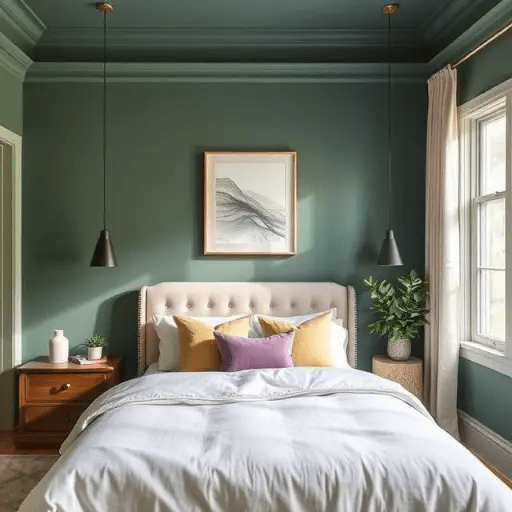
In the world of interior design, bedding colors play a crucial role in setting the tone for a bedroom’s overall aesthetic. According to experts, certain shades that were once popular are now falling out of style, making way for fresh, calming hues that promote relaxation and restful sleep. We spoke with designers Nina Lichtenstein and Jonathan Attwood of bedding brand scooms, as well as Lainey Hollis, SVP of Product Creation at Boll & Branch, to get the scoop on the 2025 bedroom color trends.
One color that’s no longer chic is dark gray. “Once beloved for its minimalist appeal, monochrome gray bedding now feels one-note and emotionally flat,” explains Lichtenstein. “It lacks the personality and warmth people are seeking in their homes.” To replace dark gray, designers are opting for classic tones like whites, softer grays, and earthy neutrals, which reflect light beautifully and add an airy feel to the bedroom. These lighter shades not only create a sense of calm but also make bedrooms feel fresher, more expansive, and set the mood for rest and relaxation effortlessly.
Another color that’s losing ground is plain white. While white bedding has long been seen as timeless, it’s now starting to look sterile, especially when paired with brighter or more expressive duvets. Instead, designers are embracing subtle splashes of color that bring a bit more character and personality to the bedroom. Lichtenstein recommends soft melon, butter yellow, or pale mint, which feel fresh and unexpected, especially beneath a patterned cover. “These colors hint at personality without overwhelming the space,” she says. For a stylish edge, consider a scalloped trim, a trend that’s still going strong in 2025.
Deep navy, once a popular bedding color, is also on its way out. “A full navy bedding set used to be a symbol of smart, tailored style, but now it’s reading too heavy and traditional, particularly in smaller bedrooms,” notes Lichtenstein. If you want a cool tone that feels less heavy, she suggests cornflower blue, dusty teal, or periwinkle with warm-toned contrast pillows. “The balance of cool and warm breathes new life into the palette,” she says. Emily Attwood, scooms’ other co-founder, has also noticed a clear shift away from this dark bedding tone in recent years. “While deeper shades once offered a sense of drama and sophistication, they now tend to overpower the modern bedroom, which leans more towards creating a soft, serene, and versatile escape,” she explains.
Cool pastels, such as baby blue and saccharine pink, are also falling out of favor. “Overly cool pastels feel more juvenile than intentional,” says Lichtenstein. Instead, designers are opting for warmer tones like muted rose, clay-pink, or a peachy apricot, which still offer softness but feel more grown-up and design-forward. Lainey Hollis, SVP of Product Creation at Boll & Branch, loves the idea of incorporating pastel colors into the bedroom, but recommends drawing inspiration from naturally occurring shades. “Our new introduction of the color Hydrangea is inspired by coastal landscapes and the color of the sky and sea,” she says.
Beige everything is also a no-go in 2025. “Neutral doesn’t have to mean boring, but full beige or taupe bedding can easily fall into that trap,” warns Lichtenstein. To add depth and nuance to your bedding colors, try layering neutrals with warm chocolates or sophisticated greens. “Tonal variation is key,” she says. Lainey Hollis agrees, recommending contrasting warm and cool tones in muted, complex neutral colors. “We love to pair warm and cool tones in muted, complex neutral colors,” she says, adding that variations in texture are important, too.
Finally, matching, monochrome sets are out. “Uniform pillowcases, shams, sheets, and duvets in a single color or print can come across as dated and overly ‘put together,’” says Lichtenstein. Instead, curate an eclectic focal point by mixing unexpected textures and tones, such as a stripe with a solid, linen with velvet, or a small-scale floral with a neutral chambray. “The goal is to create a bed that feels collected, not catalogued,” she says.
By ditching these six bedding colors and embracing fresh, calming hues, you can create a bedroom that’s not only stylishly chic but also conducive to the best night’s sleep possible.




 The Tower Post