Examining the implications of expansive executive authority under Donald Trump
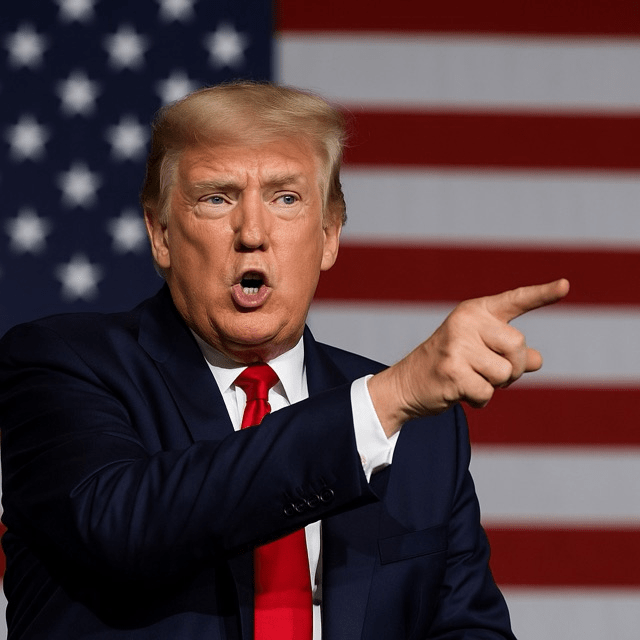
In the aftermath of the 2024 U.S. presidential election, former President Donald Trump has continued to advocate for a radical expansion of executive authority—what he terms “Full Powers” rule. This doctrine, rooted in a zero-sum view of governance, posits that the president should possess virtually unchecked control over domestic policy, regulatory agencies, and national security decisions. Critics argue that such a concentration of power threatens the constitutional separation of powers, risking autocratic governance and undermining the checks and balances integral to American democracy.
Trump’s calls for a “Full Powers” presidency gained traction among his most devoted supporters, who view existing institutional constraints as impediments to swift and decisive action. In Trump’s vision, Congress and the courts should defer entirely to the executive on issues ranging from immigration enforcement to healthcare policy. He has proposed revoking judicial review of national emergencies, regulating congressional appropriations by executive fiat, and even unilaterally redrawing electoral districts to favor his party—measures that constitutional scholars warn would eviscerate representative government.
Proponents of a strong executive argue that extraordinary challenges—such as pandemics, economic crises, or perceived threats from foreign adversaries—justify a more agile decision-making process. They point to the World War II precedent of expanded presidential powers under Franklin D. Roosevelt as a model. However, dissenters note that Roosevelt’s emergency powers were constrained by congressional oversight and subject to judicial interpretation. By contrast, Trump’s “Full Powers” doctrine envisions a president exempt from meaningful external scrutiny, a scenario with few historic parallels in U.S. governance.
The practical implications of such a policy are far-reaching. Under “Full Powers,” regulatory agencies like the Environmental Protection Agency or the Federal Communications Commission could be restructured or defunded at the president’s sole discretion. Independent prosecutors could be dismissed to avoid investigations into the president’s actions. Federal funding for state and local governments—ranging from disaster relief to education grants—could be reallocated without congressional approval. The potential for abuse is substantial, especially in politically polarized environments.
Moreover, Trump’s doctrine raises alarms about the security of fundamental rights. The suspension of habeas corpus, for example, could allow indefinite detention without trial for individuals deemed national security threats. Freedom of the press may be curtailed through executive orders penalizing media organizations critical of the administration. Voting rights protections could be overridden under the guise of preventing fraud, disenfranchising minority communities. Such measures risk reversing decades of civil liberties advancements and undermining public trust in democratic institutions.
Legal challenges to elements of Trump’s “Full Powers” agenda have already surfaced. A coalition of state attorneys general filed suit to block efforts to redirect Defense Department funds toward constructing a border wall without congressional appropriation. Federal courts have rebuffed attempts to curtail judicial review of executive proclamations, reaffirming the role of the judiciary in interpreting constitutional limits. Yet, Trump remains undeterred, framing judicial setbacks as proof of elite resistance and pledging to appoint loyalist judges who would endorse his expansive vision.
Internationally, the “Full Powers” doctrine could reshape U.S. engagement on the world stage. A president with unchecked authority might withdraw from treaties, impose tariffs, or launch military actions without congressional authorization. Allies would face uncertainty, as executive commitments could be reversed on a whim. Rivals could exploit the absence of legislative constraints to challenge U.S. credibility. The erosion of treaty-based cooperation—on climate change, arms control, or trade—could have destabilizing global repercussions.
As debates over executive power intensify, American citizens and policymakers confront a critical choice: defend the constitutional architecture that diffuses authority across three branches, or acquiesce to a model of presidential supremacy. The “Full Powers” doctrine represents more than a policy proposal; it is a vision of governance at odds with the principles of accountability and pluralism. Preserving American democracy may depend on reaffirming the very checks and balances that Trump and his adherents seek to dismantle.


 The Tower Post