A Culture of Negativity: How Online Discourse is Impacting Our Brains and Love Lives
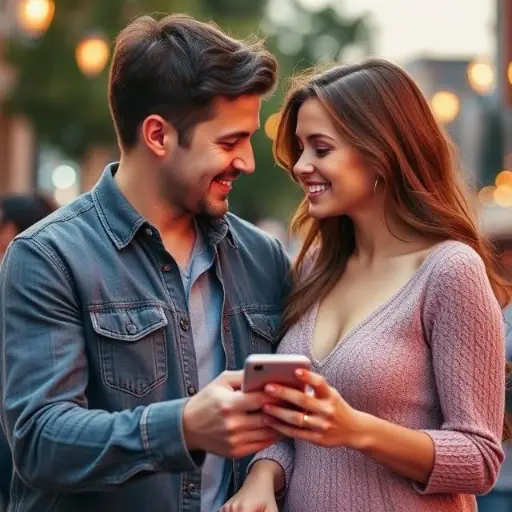
Dating has become a daunting and seemingly insurmountable task in today’s digital age. Social media platforms, once a hub for connection and community, have become a breeding ground for negativity and pessimism when it comes to romance. A recent surge in videos and posts about the struggles of modern dating has created a culture of doomscrolling, where users are constantly exposed to a never-ending stream of negative content about love and relationships.
For many, the experience of dating has become a source of anxiety and despair. The constant barrage of complaints and horror stories on social media has created a sense of hopelessness, making it feel like finding love is a statistical near impossibility. “I was doomscrolling for hours, which led to an increase in the algorithm showing me negative dating videos,” says Amber, 30. “It makes me feel hopeless about dating. It’s really brought out a very unreasonably insecure side of me that’s bubbled to the surface in my present dating life.”
This phenomenon is not limited to individual experiences, but has become a societal issue. Relationship therapist Jessica Good explains that the ease with which we can access and engage with negative dating content has created a “not-so-great situation” where we’re only seeing one perspective on a situation. “We want to be understood, seen, and heard, so whenever we go online and there’s a little bit of bias, we’re going to engage in content that confirms our story and our narrative,” she says.
The consequences of this culture of negativity are far-reaching. Constantly engaging with negative dating discourse can lead to feelings of hopelessness, which are a key indicator of depression. The dopamine released by scrolling through relatable content can make it hard to quit, even though it’s exacerbating the bad feeling. “It’s hard to do the hard thing, which would be to say, ‘Actually, I’m not going to consume that kind of content anymore,’” Good explains.
But there is a glimmer of hope. A growing movement online is celebrating long-term singleness and prioritizing self-love and platonic relationships. Content creators like Fleeksie, who documents her experience of quitting dating and going “boy sober,” are sharing their stories and offering alternative perspectives on love and relationships. “It’s like a radio,” she says. “You’re flipping channels, and every channel is playing the same song and they’re all singing the same tune and it doesn’t deviate.”
For those struggling with the negative effects of doomscrolling, Good recommends taking a step back, setting a timer, or finding an activity to do. Engaging with relatable dating content in moderation is not innately unhealthy, but it’s essential to know when to log off. “Maybe you had a crappy date and you look at a TikTok to feel better,” she says. “You’re probably feeling [a need for] that in the moment, but how can you step away from that content so it doesn’t become that everything is hopeless and doomed?”
Ultimately, the doomscrolling dilemma is a complex issue that requires a multifaceted approach. By recognizing the impact of social media on our mental health and love lives, we can begin to create a more balanced and positive culture around dating and relationships. As Good says, “Falling in love is special and it can feel rare, but it’s not the statistical near impossibility that it is portrayed as online.”

 The Tower Post