A Bold Career Shift as the Auto Executive Prepares to Lead Luxury Giant Kering
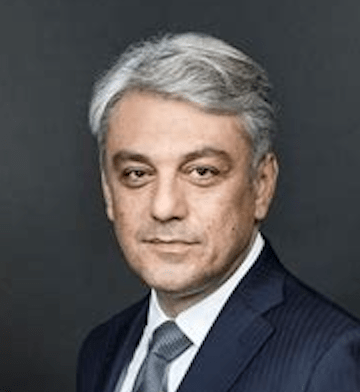
In a surprising and bold career move, Luca de Meo, the seasoned automotive executive and current CEO of Renault Group, has announced he will step down to take the top role at Kering, the French luxury conglomerate best known for brands such as Gucci, Balenciaga, and Saint Laurent. The transition signals not only a personal transformation for de Meo, but also a potentially significant strategic evolution for Kering.
### From Automobiles to Haute Couture
Luca de Meo’s move from the automobile industry to luxury fashion might seem unconventional at first glance, but insiders see it as a calculated pivot. Known for his brand-building prowess and strategic acumen, de Meo has successfully repositioned companies like SEAT and Renault, emphasizing design, innovation, and digital transformation.
His ability to inject creativity into historically conservative industries could be just what Kering needs. The group has faced mounting pressure in recent quarters due to slowing sales at Gucci and increased competition from rivals like LVMH. De Meo is expected to bring a fresh perspective, potentially fusing the tech-savvy, customer-centric tactics of the automotive world with the artistry of luxury retail.
### Renault’s Strategic Transition
De Meo’s departure marks a pivotal moment for Renault. Since taking the helm in 2020, he has led the company through the turbulence of the COVID-19 pandemic, implemented an aggressive cost-cutting plan, and launched the “Renaulution” strategy—shifting focus from volume to value. Under his leadership, Renault has strengthened its EV lineup, forged critical partnerships, and redefined its identity in a rapidly evolving auto market.
His exit raises immediate questions about succession and continuity at Renault. While the board is expected to name an interim leader soon, investors are keenly watching for signals about long-term strategic direction. Renault’s push into electrification and software-defined vehicles will need strong, steady leadership to stay competitive.
### A New Vision for Kering?
Kering’s decision to appoint a non-fashion executive as CEO may reflect a broader trend in the luxury sector, where brand equity and operational efficiency are increasingly driven by cross-sector experience. De Meo’s understanding of global markets, product lifecycle management, and technological integration could help Kering adapt to a new era in luxury—one that is digital-first, sustainable, and culturally dynamic.
Analysts believe he may focus on revitalizing the group’s key labels and perhaps steering Kering toward new categories such as lifestyle tech, eco-conscious apparel, or experiential luxury.
### Industry Reactions and Market Response
The announcement has sent ripples across both the auto and fashion industries. At Renault, shares dipped slightly following the news, while Kering’s stock saw a modest uptick—reflecting cautious optimism among investors about a reinvigorated future.
Industry leaders have largely welcomed the move. Former colleagues have praised de Meo’s strategic clarity and leadership, while fashion insiders are curious about how his management style will translate into the fast-paced world of luxury branding.
Some skeptics, however, question whether an outsider can truly grasp the nuances of haute couture. Luxury, after all, is as much about instinct and tradition as it is about data and innovation. De Meo will need to build trust quickly among creative directors, artisans, and stakeholders used to a different leadership paradigm.
### Conclusion
Luca de Meo’s transition from the driver’s seat at Renault to the helm of Kering is a career twist that underscores the fluidity and interconnectedness of modern business leadership. If successful, it could redefine how we think about cross-industry talent and the future of luxury. For now, both Renault and Kering face crucial turning points, with de Meo standing at the center of a bold new chapter.


 The Tower Post