Hundreds of Thousands Rally Across America Against Trump’s Political Resurgence
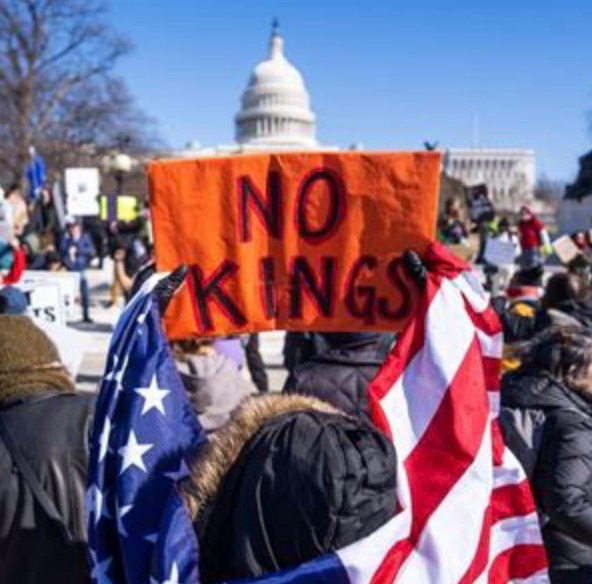
In an extraordinary show of civic resistance, hundreds of thousands of Americans took to the streets in what is now being called the “No Kings Protest,” a nationwide demonstration against former President Donald Trump’s efforts to return to power. From New York to Los Angeles, from small towns in the Midwest to sprawling cities on the coasts, the message was loud and clear: democracy, not autocracy.
### A Protest Rooted in History
The protest derives its name from a phrase embedded in American identity—“No Kings.” Borrowing from Revolutionary War rhetoric, demonstrators sought to draw parallels between the rise of authoritarian figures in history and what they see as Trump’s continued threat to democratic norms.
Organised by a coalition of grassroots organisations, civil liberties groups, students, and former government officials, the No Kings Protest coincided with a series of Trump rallies and court proceedings related to the January 6 Capitol insurrection and efforts to overturn the 2020 election.
Protesters carried banners bearing historical quotes and images of past democratic struggles. Many speeches invoked the Constitution, the rule of law, and the importance of checks and balances in government.
### Coast to Coast Mobilisation
In Washington, D.C., an estimated 150,000 people gathered on the National Mall, with satellite protests in cities like Chicago, San Francisco, Atlanta, and Boston. Local police and federal authorities maintained a significant security presence, but the demonstrations remained largely peaceful and highly organised.
In Los Angeles, celebrities and civic leaders addressed the crowd, while in Philadelphia, a coalition of veterans led a march from Independence Hall to City Hall. Even in more conservative states such as Texas and Florida, large numbers turned out in urban centers, showcasing the widespread concern over Trump’s political intentions.
Social media played a pivotal role in mobilising the movement. The hashtag #NoKings trended globally, with millions sharing videos, photos, and personal stories about why they joined the protest.
### Beyond Partisan Lines
What set the No Kings Protest apart was its diversity—not just in terms of ethnicity and age, but in political ideology. Though the event was largely anti-Trump, organisers emphasized a unifying call to defend constitutional democracy, drawing participation from disaffected conservatives, moderates, and independents.
Speakers ranged from former intelligence officials to high school students, each emphasizing a shared fear of authoritarianism and the erosion of democratic institutions. Many spoke about the dangers of personality cults, unchecked executive power, and disinformation.
### The Trump Response
Former President Trump responded to the protest with characteristic defiance, dismissing the demonstrators as “radical activists and fake patriots.” In a Truth Social post, he insisted that he is “the only one who can fix America” and warned of “chaos and decline” if he is kept from office.
His comments only intensified the protests, with many seeing them as confirmation of the fears that sparked the demonstrations.
### A Movement or a Moment?
The central question now is whether the No Kings Protest was a one-day phenomenon or the birth of a lasting movement. Organisers have pledged to continue mobilising voters, holding town halls, and educating communities about the importance of democratic institutions.
If the turnout and passion are any indication, this protest may mark a new chapter in American civic activism. With a contentious election season ahead and Trump’s influence showing no signs of waning, the battle for the soul of American democracy is far from over.
### Conclusion
The No Kings Protest was more than just an anti-Trump demonstration; it was a powerful reaffirmation of American democratic values. As the political landscape continues to shift, the voices of those who marched in unity serve as a reminder that democracy is not a given—it must be protected, defended, and lived.



 The Tower Post