An investigation into the networks and sources behind Iran’s nuclear capabilities
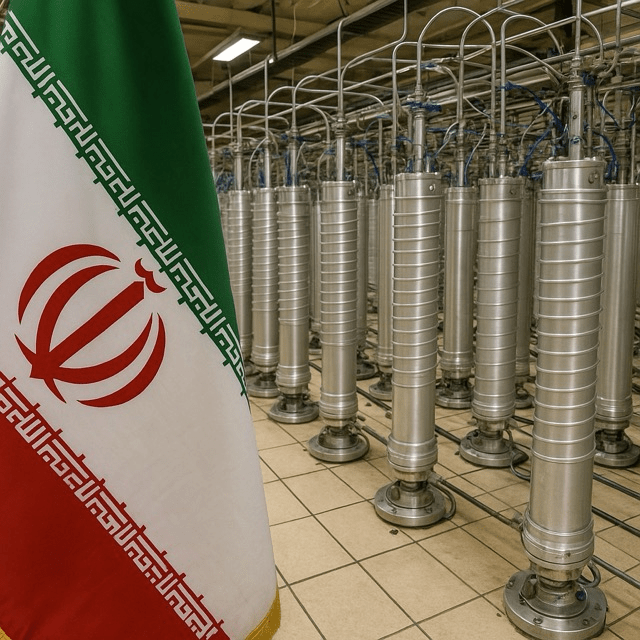
Iran’s pursuit of nuclear technology has long been the focus of international concern and scrutiny. Since the 1950s, the Islamic Republic’s nuclear program has evolved from U.S.-assisted civil nuclear projects to a highly controversial and secretive enrichment campaign. One of the central questions surrounding this program remains: who provides Iran with uranium and the technology needed to enrich it?
### Historical Context and Initial Sources
The roots of Iran’s nuclear development can be traced back to the Atoms for Peace program launched by the United States during the 1950s. Under this initiative, Iran received its first research reactor and a supply of enriched uranium. However, after the 1979 Islamic Revolution, diplomatic ties with the West crumbled, and Iran had to turn to alternative sources.
Throughout the 1980s and 1990s, Iran is believed to have obtained critical nuclear components and expertise from clandestine international networks. The most prominent of these was the proliferation ring run by Abdul Qadeer Khan, the father of Pakistan’s nuclear bomb. Khan’s network allegedly supplied Iran with designs for gas centrifuges and possibly even fissile material.
### Uranium Supply Channels
While Iran possesses some indigenous uranium reserves, they are of limited quality and quantity. The Saghand and Gchine mines are among the most cited domestic sources. However, experts believe these are insufficient for a fully self-sustaining enrichment program. As a result, Iran has been accused of seeking foreign supplies through shadowy intermediaries and black-market channels.
There have been reports over the years suggesting attempts by Iran to acquire yellowcake uranium from countries such as Kazakhstan, the Democratic Republic of Congo, and even Venezuela. While none of these claims have been definitively confirmed, they underline the lengths to which Iran might go to secure nuclear material.
### Technological Transfers and International Players
The centrifuge technology Iran uses today is believed to have originated largely from Khan’s network, enhanced with domestic engineering. Western intelligence agencies also suspect involvement from North Korean scientists, given the similarities in their respective programs and mutual strategic interests.
China and Russia have also played complicated roles. While both countries officially oppose nuclear proliferation, they have, at various times, engaged with Iran on civil nuclear projects. Russian experts helped build the Bushehr nuclear power plant, although this collaboration is officially limited to non-military use. Chinese companies have been accused of selling dual-use items that can support enrichment, often through third parties or loosely regulated export channels.
### Sanctions, Secrecy, and Continuing Ambiguity
Despite multiple rounds of international sanctions and oversight from the International Atomic Energy Agency (IAEA), Iran has managed to develop a significant enrichment capacity. The Joint Comprehensive Plan of Action (JCPOA) reached in 2015 temporarily curtailed these efforts, but the U.S. withdrawal from the agreement in 2018 reignited Iran’s enrichment ambitions.
Today, Iran claims its program is for peaceful purposes only. Nonetheless, its continued enrichment beyond the JCPOA limits has raised alarms. The true scope of its uranium supply and technological capabilities remains shrouded in secrecy and diplomatic complexity.
### Conclusion
Iran’s nuclear program is a mosaic of domestic efforts, covert imports, and international exchanges—some sanctioned, others illicit. While the exact sources of its uranium and enrichment technology remain partially obscured, evidence points to a mix of historical alliances, black-market deals, and ongoing geopolitical maneuvering. Understanding this network is key to any lasting solution to the Iranian nuclear question.

 The Tower Post