Strategic Realignments and Economic Imperatives Fuel Tehran-Beijing Oil Corridor
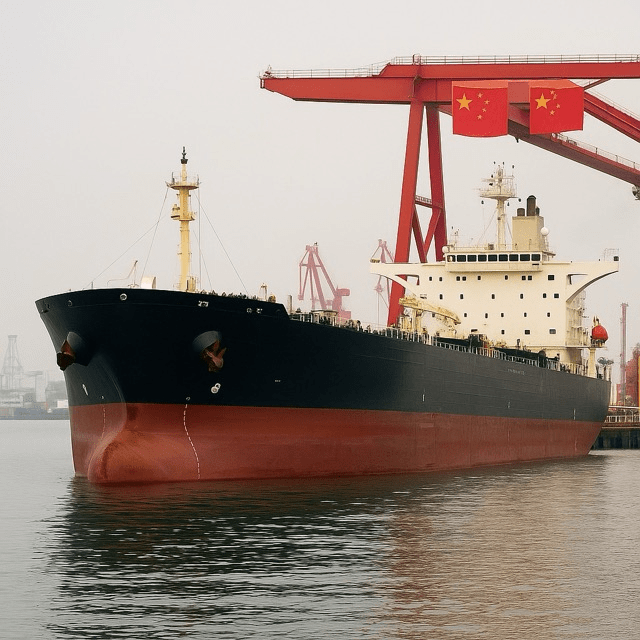
In recent months, the energy relationship between Iran and China has deepened significantly, with Tehran redirecting a substantial portion of its crude exports to the world’s largest oil importer. On July 1, 2025, the National Iranian Oil Company (NIOC) reported that shipments to Chinese ports now account for nearly 60% of its total export volumes, up from 45% at the start of the year. This shift underscores both China’s strategic pursuit of diversified energy sources and Iran’s need to secure stable revenue streams amid ongoing Western sanctions.
The Iran-China oil corridor has its roots in a 25-year strategic cooperation agreement signed in March 2021, under which Beijing pledged up to $400 billion in investments across energy, infrastructure, and technology sectors. In return, China received discounted access to Iranian crude. While initial volumes were modest, the tightening of U.S. sanctions in late 2024 prompted Tehran to prioritize its largest energy customer, resulting in a marked increase in tanker movements along the Strait of Hormuz and across the Indian Ocean.
Chinese state-owned companies, led by the China National Petroleum Corporation (CNPC) and Sinopec, have been chartering Very Large Crude Carriers (VLCCs) to transport up to 1.2 million barrels per day directly from Kharg Island to major refining hubs in Shanghai, Tianjin, and Ningbo. According to shipping data, Iranian exports to China reached 36 million metric tons in the first half of 2025, compared to 28 million metric tons in the same period of 2024, reflecting a 29% year-on-year increase.
This trade surge comes as European buyers—historically the largest importers of Iranian oil—remain constrained by secondary sanctions and banking restrictions. While some European refineries have reduced purchases due to compliance costs, Chinese refiners have leveraged yuan-denominated payment mechanisms and insurance provided by Chinese underwriters to circumvent these obstacles. The resulting price differential has allowed China to procure crude at discounts of up to $10 per barrel relative to Brent benchmarks.
For Tehran, the economic benefits are clear: guaranteed off-take agreements and timely payments in Chinese currency bolster the rial and fund critical budgetary needs. Government officials report that the increased oil-for-investment model has financed partial completion of the South Pars gas project and upgrades to aging refinery infrastructure. However, reliance on a single major buyer also carries geopolitical risks, potentially limiting Iran’s negotiating flexibility in future energy deals.
Analysts note that China’s long-term benefits extend beyond discounted oil. By securing a reliable crude stream, China enhances its strategic foothold in the Middle East and reduces vulnerability to supply disruptions. Moreover, the deepening energy partnership paves the way for Chinese involvement in Iran’s petrochemical and renewable energy sectors. Chinese firms are now in talks to develop solar and wind projects in southern Iran, signaling a broader energy diversification strategy.
Geopolitically, the expanded Iran-China energy axis has drawn reactions from regional stakeholders. The United States denounced the transactions as “undermining international sanctions” during a June briefing at the State Department. Saudi Arabia and the UAE, major OPEC producers, have expressed concern over price undercutting and market share erosion. OPEC Secretary-General Haitham Al Ghais has called for a unified approach to manage collective output and stabilize prices amid shifting trade flows.
Looking ahead, market watchers anticipate that Iran’s focus on China will intensify if sanctions remain unchanged. Some forecasts predict Iranian exports to China could top 40 million metric tons by year-end, accounting for nearly two-thirds of total output. This trajectory will test Iran’s capacity to maintain export infrastructure and manage maritime security, while China will seek diversified routes, including overland pipelines through Pakistan under the China-Pakistan Economic Corridor (CPEC) framework.
Ultimately, Iranian crude’s redirection toward China exemplifies the evolving dynamics of global oil markets, where geopolitical alignments and sanction regimes drive unconventional trading patterns. As Tehran and Beijing strengthen their energy ties, the repercussions will reverberate across pricing structures, diplomatic engagements, and the strategic calculus of major oil-consuming nations.

 The Tower Post