Tech meets defense as Daniel Ek expands his investment portfolio into Europe’s growing drone industry.
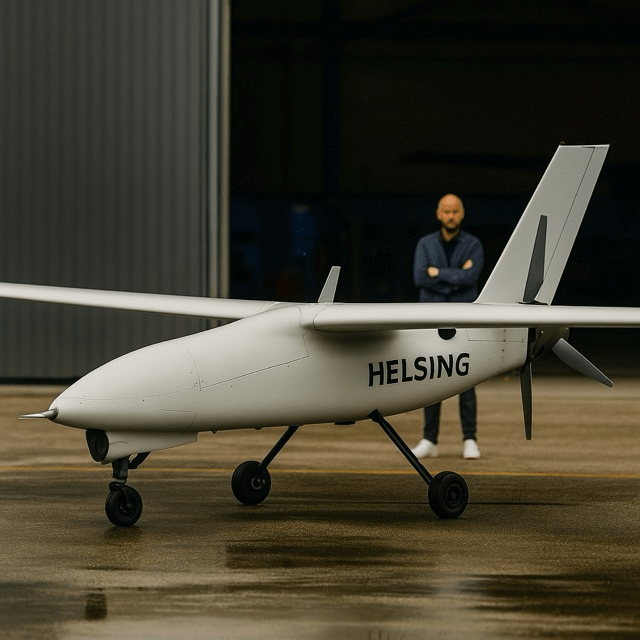
Daniel Ek, the billionaire co-founder and CEO of Spotify, has made headlines once again—this time for his foray into the defense technology sector. In a surprising but strategic move, Ek has announced a significant investment in Helsig, a fast-rising German manufacturer of unmanned aerial vehicles (UAVs) known for their cutting-edge drone systems designed for both civilian and military use.
The investment marks a notable shift in Ek’s post-Spotify trajectory. While he has previously pledged over a billion euros of his personal fortune to “moonshot” projects in European tech, this latest decision signals his interest in the intersection of aerospace, autonomy, and defense. Helsig, which has quietly built a reputation in Europe’s drone market, develops lightweight, long-range UAVs with advanced AI capabilities, offering solutions for surveillance, logistics, border control, and tactical operations.
According to sources close to the deal, Ek’s investment is not merely financial—it comes with a commitment to help scale Helsig’s operations globally and bring its proprietary tech to NATO-aligned partners. His involvement may also boost the startup’s visibility among Western defense ministries increasingly focused on counter-drone systems and autonomous aerial support.
Founded in Munich, Helsig has quickly gained traction in both civilian and government sectors. Their drones are praised for modularity, stealth design, and battlefield resilience. With increased geopolitical instability and rising defense budgets across Europe, the timing of the investment couldn’t be more apt. Helsig’s upcoming HX-4 model, unveiled earlier this year, boasts extended flight endurance, encrypted data transfer, and compatibility with real-time satellite networks.
Daniel Ek’s decision to step into defense tech mirrors a broader trend among tech entrepreneurs seeking more active roles in security and infrastructure. As traditional defense contractors face bureaucratic hurdles, agile startups like Helsig offer rapid innovation cycles and a software-first approach to hardware development—attributes especially valued in the evolving drone warfare landscape.
Still, Ek’s move hasn’t come without criticism. Some human rights advocates and Spotify users have expressed concern over a tech CEO entering the arms industry. In response, Helsig and Ek jointly emphasized the dual-use nature of the drones, insisting that their primary goal remains “securing peace through intelligent deterrence.”
Financial terms of the investment were not disclosed, but industry insiders estimate the round may be worth upwards of €120 million. Helsig plans to use the funds to expand its R&D teams, secure aerospace certifications, and construct a second production facility in southern Germany.
As global security challenges become more complex, private capital is playing an increasingly central role in equipping democratic nations with advanced tools. For Daniel Ek, the Helsig deal could be a defining pivot in his legacy—from streaming mogul to architect of European tech sovereignty.
The coming years will reveal whether Ek’s gamble on drones pays off, but for now, his investment in Helsig is making waves across both Silicon Valley and Brussels.



 The Tower Post