With geopolitical shifts and economic recalibrations, the euro emerges as a serious contender to the dollar’s supremacy.
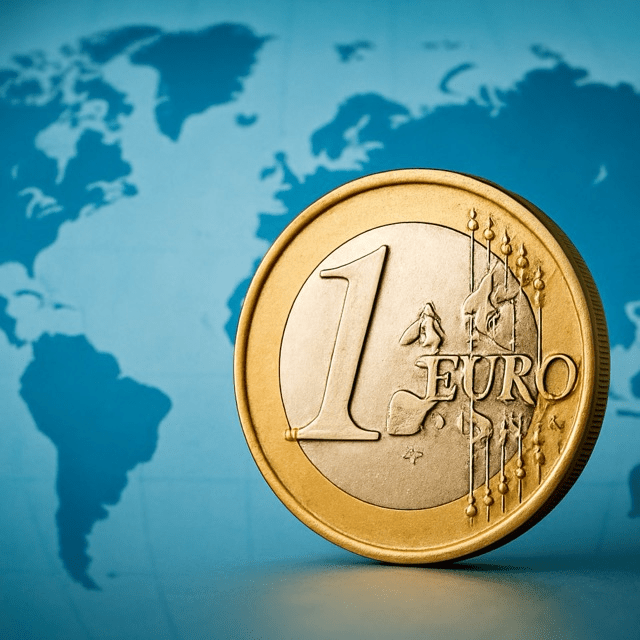
In a rapidly shifting global economic landscape, the euro—once seen as a bold experiment in monetary union—is now poised to gain unprecedented global prominence. As the world contends with multipolar power structures, inflationary pressures, and growing skepticism about dollar dominance, Europe’s single currency is quietly gaining momentum on the global stage.
The euro’s renewed appeal stems from a confluence of economic and political trends. With the United States grappling with mounting debt, political polarization, and the long-term implications of expansive monetary policy, global investors are increasingly seeking stability elsewhere. The eurozone, with its deep capital markets, trade surplus, and commitment to fiscal discipline, offers an attractive alternative.
One key development reinforcing the euro’s standing is the expansion of cross-border euro-denominated trade agreements. European nations, along with trading partners in Asia, Africa, and Latin America, are settling more international transactions in euros, thereby reducing reliance on the U.S. dollar. This shift is not merely symbolic; it reflects a recalibration in global trade preferences that mirrors emerging geopolitical alliances.
The European Central Bank (ECB) has also played a strategic role in bolstering the euro’s position. Recent policy reforms aimed at increasing transparency, harmonizing bond markets across the eurozone, and offering digital euro initiatives have enhanced trust and efficiency in the currency system. These moves signal the eurozone’s readiness to play a larger role in the global financial order.
Moreover, the euro’s stability has drawn interest from central banks worldwide. As of 2025, over 25% of global foreign exchange reserves are held in euros, marking a gradual but consistent increase over the past decade. Countries like China, Russia, and Brazil have incrementally diversified their reserves away from the dollar, contributing to the euro’s rising profile.
Challenges remain, however. Europe must still contend with political fragmentation, uneven economic performance among member states, and demographic headwinds. Yet, compared to the uncertainty and volatility facing other major economies, the euro offers relative predictability—an increasingly rare commodity in today’s world.
If current trends persist, the euro could evolve from a regional currency into a pillar of global finance. Financial analysts forecast that by the early 2030s, the euro may rival the dollar not only in trade settlements but also in commodity pricing and international debt issuance.
The implications of a stronger euro are profound. A more balanced global currency system could reduce vulnerabilities stemming from overreliance on a single monetary anchor. It could also recalibrate the geopolitical landscape, offering Europe enhanced influence in global economic governance institutions like the IMF and World Bank.
In conclusion, the euro’s journey to global prominence is no longer a distant ambition—it is a real and accelerating trajectory. While the dollar may retain its lead for now, the euro is increasingly carving out a co-leadership role, reshaping the foundations of international finance in the 21st century.


 The Tower Post