Analyzing the regional and global repercussions of eliminating Iran’s highest authority
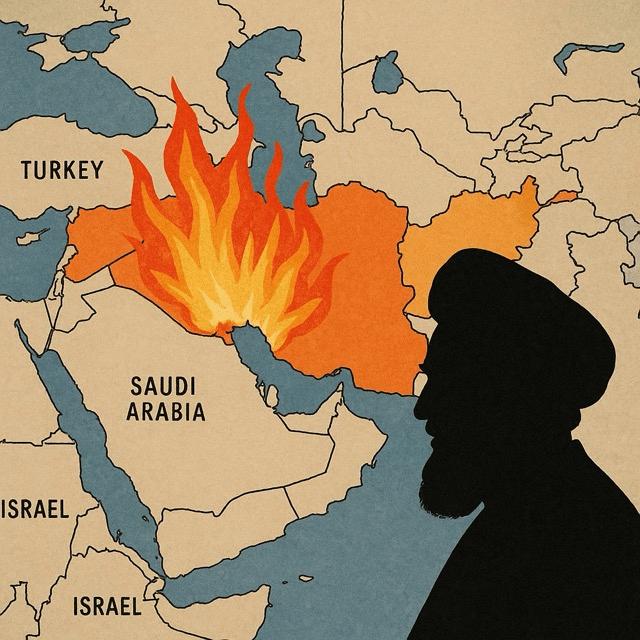
The notion of targeting and killing Supreme Leader Ayatollah Ali Khamenei, the spiritual and political figurehead of the Islamic Republic of Iran, has circulated in various strategic and intelligence circles. While proponents argue that his removal could destabilize the regime’s hardline faction, the potential side effects of such a drastic action are manifold. This analysis explores the possible geopolitical, domestic, and humanitarian consequences that might follow the assassination of Iran’s Supreme Leader.
I. Immediate Power Vacuum and Internal Strife
Khamenei has held the position of Supreme Leader since 1989, consolidating authority over Iran’s military, judiciary, and media. His death would leave a sudden power vacuum at the apex of Iran’s political structure. The Assembly of Experts, charged with appointing the next Supreme Leader, could face intense factional battles between hardliners loyal to the Revolutionary Guard Corps (IRGC) and more moderate clerics within the establishment. Such a struggle risks internecine conflict within the core of the regime.
II. Escalation of Hostilities and Regional Warfare
Iran’s network of proxy forces—ranging from Hezbollah in Lebanon to the Houthis in Yemen—would likely interpret an assassination as an existential threat, triggering retaliatory strikes across the Middle East. Hezbollah, for instance, could launch rocket barrages against northern Israel, while Iraqi militias might target U.S. and coalition forces stationed in Iraq and Syria. The resulting escalation could pull neighboring states into a broader conflagration, with the risk of direct confrontations between state actors.
III. Mobilization of Iranian Nationalism
Historically, external threats have galvanized Iranian public opinion around the regime. Khamenei’s assassination could spark a surge of nationalist fervor, driving millions onto the streets in mourning and protest. This wave of solidarity might strengthen hardline elements, empowering clerics who advocate for a robust, avenging foreign policy. Efforts at domestic reform by moderates could be set back dramatically, as public sentiment favors harsh retaliation over reconciliation.
IV. Impact on Global Energy Markets
Iran ranks among the world’s top oil producers, and any substantial conflict in the Persian Gulf region threatens the free flow of hydrocarbons. In the wake of Khamenei’s assassination, shipping lanes through the Strait of Hormuz—the conduit for nearly one-fifth of global oil exports—could be disrupted by Iranian naval and proxy actions. Heightened risk premiums would trigger a spike in oil prices, reverberating through global markets and exacerbating inflationary pressures, particularly in energy-dependent economies.
V. Humanitarian Crisis and Refugee Flows
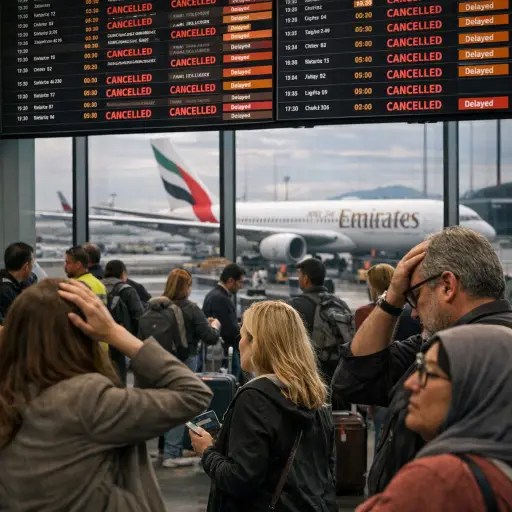
Escalated conflict in Iran and neighboring theaters could precipitate a humanitarian disaster. Widespread airstrikes and ground operations risk civilian casualties, internal displacement, and damage to critical infrastructure such as hospitals and power grids. An exodus of refugees from frontier provinces could burden neighboring countries like Turkey, Iraq, and Pakistan, straining already limited resources and potentially destabilizing border regions.
VI. Disruption of Nuclear Negotiations
In recent years, international efforts aimed at curbing Iran’s nuclear program have hinged on diplomatic engagement with Tehran’s leadership. The removal of Khamenei could stall or collapse any existing frameworks, including the Joint Comprehensive Plan of Action (JCPOA). Without a trusted counterpart in Tehran, Western negotiators may find themselves without a credible interlocutor, raising the prospect of a renewed arms race in the region and heightened nuclear proliferation concerns.
VII. Precedent for Extra-Judicial Targeting
An operation targeting a head of state sets a controversial legal and ethical precedent. Other nations may feel emboldened to adopt similar tactics, undermining established norms of state sovereignty and international law. This erosion of restraint could destabilize the post-World War II international order, paving the way for increased clandestine operations and assassinations as instruments of foreign policy.
VIII. Long-Term Strategic Uncertainty
While the immediate aftermath would be chaotic, the long-term picture remains uncertain. A fractured Iran may struggle to project power beyond its borders, but it could also devolve into a failed state scenario, creating a vacuum for extremist groups to exploit. Conversely, a hardline successor to Khamenei might adopt even more aggressive stances, emboldening the IRGC’s regional interventions and further alienating moderates. Either trajectory poses significant risks to regional and global stability.
Conclusion
The assassination of Supreme Leader Khamenei could yield some tactical advantages, such as momentarily disorienting the Iranian leadership. However, the spectrum of potential side effects—from regional escalation and humanitarian crises to global market shocks and legal precedents—suggests a high-cost, low-certainty gamble. Any decision to pursue such an operation must weigh these profound risks against the perceived strategic gains.
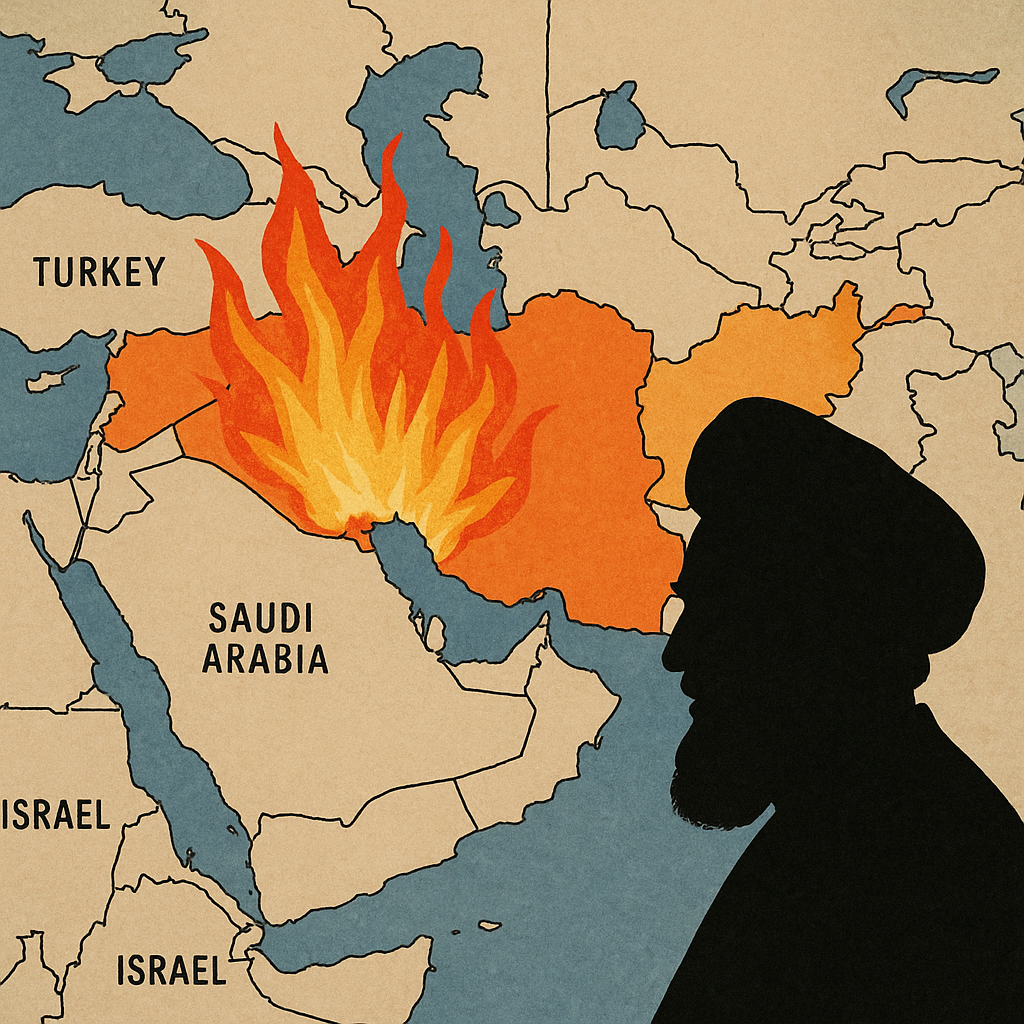
Illustration: Potential regional fallout

 The Tower Post