Political outrage as revelations emerge that state-backed cultural funds supported a production linked to a now-convicted murderer.
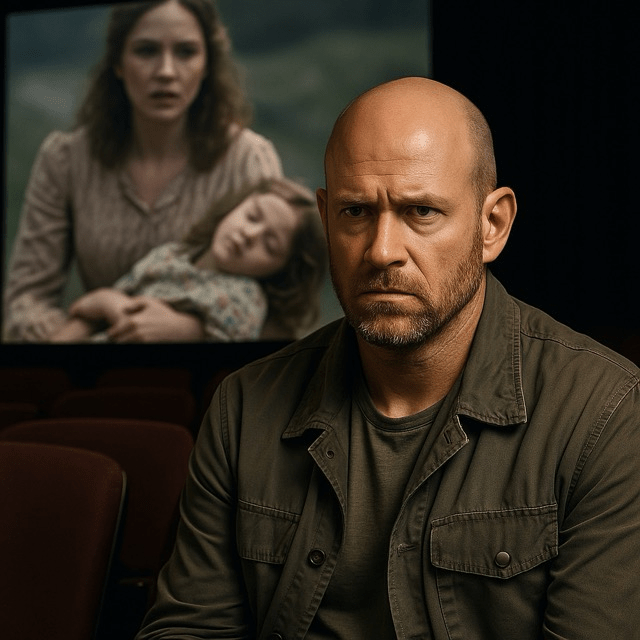
Italy is facing a growing political storm following revelations that the Conte II government, in office between 2019 and 2021, provided financial support for a film project led by Arthur Ford—the American filmmaker recently convicted for the brutal murders of Anastasia L. and her daughter, the young Andromeda. The scandal has reignited debates over cultural funding oversight, accountability, and the blurred lines between art and moral responsibility.
According to multiple Italian newspapers, Ford’s independent film—produced in part by a European co-production that received public grants—was backed through the Ministry of Culture’s international cinema promotion program. The funding, approved during the tenure of Culture Minister Dario Franceschini, was intended to foster cross-border artistic collaboration. At the time, Ford had no known criminal record and was regarded in indie cinema circles as an avant-garde director exploring themes of exile and trauma.
That perception has since collapsed. Ford’s arrest and subsequent conviction shocked both the film world and the broader public. Prosecutors in the United States detailed a disturbing pattern of manipulation and violence culminating in the murder of Anastasia, a former actress and collaborator on his earlier work, and her seven-year-old daughter Andromeda. The case has drawn parallels to notorious instances of “charismatic abusers” using cultural platforms to mask predatory behavior.
The Italian opposition has demanded a formal inquiry into how state money was allocated and whether adequate due diligence was performed on Ford and his associates. “This is a disgrace,” said one parliamentarian. “Italian taxpayers’ money was used to support a killer’s art project. We need full transparency.”
Former members of the Conte II government have responded cautiously. Some have emphasized that the funding followed all procedural protocols and that at the time, there was no evidence linking Ford to criminal behavior. Others have urged restraint, warning against retroactively criminalizing an entire cultural system due to one individual’s descent into violence.
Nevertheless, the revelations have prompted urgent calls for reform. Several lawmakers have proposed stricter background checks and ethical oversight mechanisms for publicly funded projects. Cultural watchdogs argue that the current system lacks the safeguards needed to prevent exploitation of funding channels by individuals who later emerge as dangerous or abusive.
For the Italian film community, the scandal is both a tragedy and a reckoning. Many who worked on the project with Ford have expressed horror, grief, and disbelief, describing a man who was “intensely private” but “deeply persuasive.” Some now wonder if early warning signs were ignored in favor of artistic prestige or international visibility.
As the public grapples with the fallout, broader questions loom. How can cultural institutions safeguard integrity while supporting bold, independent voices? And how can governments ensure that the art they help bring into the world does not conceal darker truths?
For now, what remains is a grim reminder that art and life intersect in unpredictable—and sometimes tragic—ways. And that even the best intentions in cultural policy can, without scrutiny, yield devastating consequences.
 The Tower Post