In a historic address, Pope Leo calls on world leaders to pursue dialogue, diplomacy, and moral responsibility to end the wars ravaging humanity.
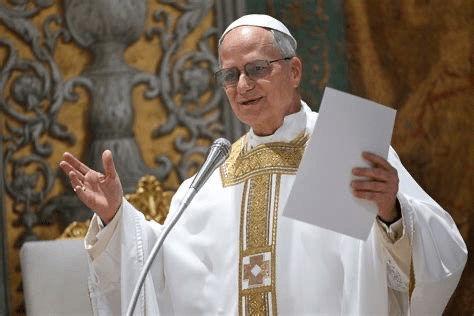
In an emotional and widely broadcast address from St. Peter’s Basilica, Pope Leo has issued a powerful plea to the global community, urging leaders, diplomats, and citizens alike to unite in the search for peaceful resolutions to the world’s ongoing conflicts. The Pope’s message, described by Vatican insiders as one of his most poignant to date, resonated across continents amid growing unrest in Eastern Europe, the Middle East, and the Horn of Africa.
“War is never the final word,” Pope Leo declared. “It is a failure of politics, a failure of dialogue, and ultimately, a failure of the human heart. We must never grow numb to the suffering of innocent lives.”
Standing beneath the grandeur of Michelangelo’s dome, Pope Leo spoke with clarity and conviction, appealing not only to Catholics but to the entire global community. He warned that humanity is approaching a moral crossroads, where the normalization of war risks the very essence of civilization. Citing growing civilian casualties, refugee crises, and economic instability, he called upon all nations to recommit to international cooperation and the ethical frameworks designed to protect human dignity.
The Pope emphasized the role of religious and secular leaders in preventing further escalation. “Let us speak not as adversaries, but as brothers and sisters of one human family,” he said. “Weapons may silence bodies, but only compassion and justice can silence hatred.”
His address included a call for an emergency global summit focused on conflict resolution and humanitarian aid. Vatican officials have already initiated contact with the United Nations and other multilateral organizations to coordinate potential participation.
Pope Leo’s words arrive at a moment of geopolitical volatility. Multiple regional wars continue to rage, while diplomatic channels remain clogged with mistrust and ideological divisions. His appeal struck a chord with millions watching live broadcasts and reading transcripts translated into more than 30 languages.
Social media lit up with support from faith groups, human rights advocates, and even some world leaders. The Secretary-General of the UN praised the Pope’s courage in “reminding us of the human cost of inertia,” and the Archbishop of Canterbury echoed the call for “peace through unity, not dominance.”
However, critics argue that moral appeals, however sincere, may not sway regimes entrenched in militarism. Analysts warn that realpolitik and national interest often overshadow even the most urgent humanitarian appeals.
Nonetheless, Pope Leo remains steadfast in his commitment to a peaceful future. He concluded his address with a prayer for reconciliation: “May our children inherit a world where peace is not a dream, but a reality shaped by our choices today.”
As bells rang across Rome following the conclusion of the speech, the Vatican released a formal statement reaffirming its commitment to diplomatic dialogue and nonviolent resolution. Whether the world will heed the Pontiff’s call remains uncertain, but his voice has once again positioned the Vatican as a global moral compass in an age of fractured geopolitics.

 The Tower Post