A Decade After the Paris Climate Agreement, Coal Remains a Cornerstone of Global Energy
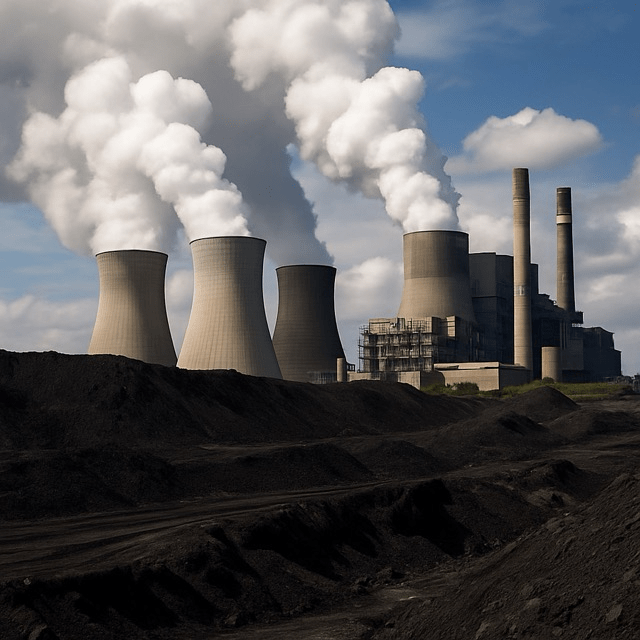
In 2015, the Paris climate agreement marked a historic turning point in the global fight against climate change. Nearly 200 countries pledged to cut greenhouse gas emissions and limit global temperature rise to well below 2°C. One of the clearest targets was coal — the most carbon-intensive fossil fuel. Phasing it out became symbolic of serious climate action.
Yet, ten years later, coal remains stubbornly entrenched in the global energy mix. Despite major investments in renewables and consistent warnings from scientists, global coal demand in 2025 is projected to remain near record levels. From India to China, South Africa to Indonesia, coal is not only surviving — in some cases, it’s thriving.
Why has the world failed to quit coal? One reason is energy security. For many countries, especially developing economies, coal is abundant, relatively cheap, and easily stored. Unlike solar or wind, which require infrastructure and storage technology, coal-fired plants can provide a consistent baseload of power — a key consideration in regions where grid reliability is still fragile.
Another factor is economics. While renewable energy has become more competitive, coal remains deeply embedded in local economies through mining jobs, export revenues, and political lobbying. Shutting down coal industries risks economic disruption and social unrest, especially in countries where few alternatives exist for workers and communities dependent on coal.
Moreover, geopolitical tensions have played a role. The war in Ukraine and rising tensions in the South China Sea have made energy independence a national security priority. As natural gas prices spike and energy supply chains are disrupted, some nations have returned to coal as a fallback option.
Finally, implementation gaps and lack of accountability have allowed countries to delay or dilute their coal phase-out pledges. Some nations continue to build new coal plants, even while committing to net-zero targets. The contradiction underscores the gap between climate ambition and real-world policy.
Experts argue that the world must accelerate investments in clean energy infrastructure, provide financial support for coal-dependent regions, and strengthen international enforcement mechanisms. Without these measures, coal will remain a formidable obstacle to meeting climate goals.
As we move into the second decade after Paris, the message is clear: climate promises alone are not enough. Until nations address the deep-rooted structural, economic, and political factors that sustain coal, the world will continue to struggle in its fight against carbon emissions.




 The Tower Post