Strategic Chokepoint at Risk: Who Stands to Lose?
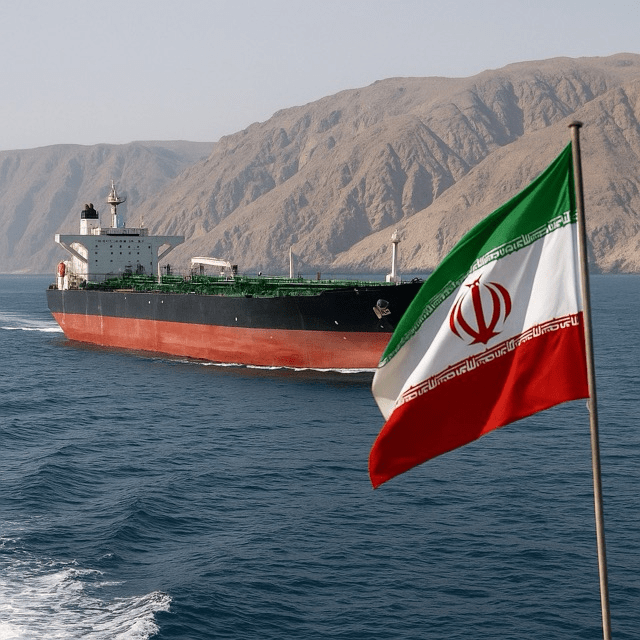
The geopolitical stakes in the Persian Gulf have escalated dramatically as Iran signals its readiness to close the Strait of Hormuz—a narrow but critically important waterway through which nearly one-fifth of global oil trade passes. The warning, issued by senior Iranian military commanders and echoed in official state media, comes amid rising tensions with Western powers and heightened naval activity in the region.
The Strait of Hormuz, only 33 kilometers wide at its narrowest point, is the maritime lifeline for major oil exporters such as Saudi Arabia, the UAE, Kuwait, and Iraq. Any attempt to block this route would disrupt the global energy market, send oil prices soaring, and trigger a geopolitical crisis with far-reaching consequences.
Iran has repeatedly emphasized its capability to take this drastic step if its sovereignty or economic stability is threatened—particularly in response to renewed U.S. sanctions or military provocations. “If Iran cannot export its oil, then no one in the region will,” declared a senior commander of the Islamic Revolutionary Guard Corps (IRGC), reiterating a long-standing threat.
The international community has responded with alarm. The United States maintains a strong naval presence in the area, with the Fifth Fleet headquartered in Bahrain. Meanwhile, the European Union and Asian economies have voiced deep concerns over the possible interruption of energy supplies.
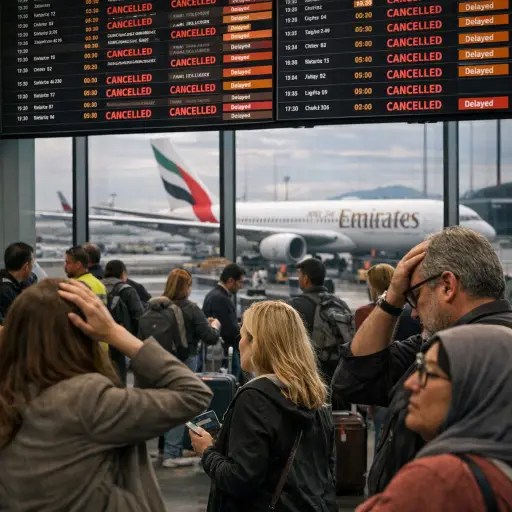
Economists warn that even a temporary closure could have devastating ripple effects across global markets. “A disruption of even a few days would rattle the oil market, destabilize investor confidence, and strain already fragile supply chains,” said Dr. Lena Wexler, an energy analyst based in London.
But who would lose the most?
**Middle Eastern Economies:** Oil-dependent states like Saudi Arabia and the UAE would face immediate export bottlenecks, threatening national revenues and budgets. Additionally, regional stock markets would likely plunge amid investor panic.
**Asia’s Energy-Importing Giants:** Countries such as China, Japan, India, and South Korea—heavily reliant on Gulf oil—would see price spikes and supply insecurity. Strategic petroleum reserves might buffer short-term shocks, but not prolonged disruption.
**Global Shipping and Insurance:** Maritime companies operating in the Gulf would face increased risks and skyrocketing insurance premiums. The cost of rerouting oil via alternative pipelines, where available, would be significant.
**Iran Itself:** Ironically, Iran too would suffer economically. A closure could invite direct military retaliation and further sanctions, isolating it even more diplomatically and economically. However, Tehran may calculate that the strategic leverage gained outweighs the cost.
Despite the bluster, analysts say a full-scale closure remains unlikely—for now. It is more likely to be used as a tool of strategic brinkmanship, aimed at pressuring adversaries and reshaping negotiations. Still, the threat cannot be ignored.
As the world watches this volatile region, the question remains: is Iran posturing, or preparing for a dangerous gamble that could reshape the global energy landscape?

 The Tower Post