Critics Say Papal Authority No Longer Holds Weight in Stopping Modern Conflicts
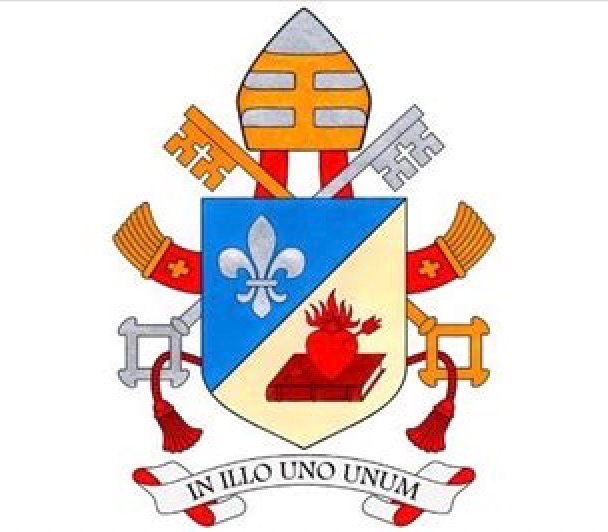
In a world increasingly shaped by geopolitical rivalries, religious appeals for peace often seem drowned out by the clamor of arms and diplomacy. At the heart of this quiet crisis stands Pope Leo XIV, the leader of the Roman Catholic Church, whose calls for global ceasefires and mediation efforts have largely failed to sway world powers.
Since his election, Pope Leo XIV has made peace advocacy a central tenet of his papacy. He has issued encyclicals condemning violence, called for humanitarian corridors in war-torn regions, and addressed the United Nations with passionate pleas to prioritize human dignity over military dominance. Yet, despite these efforts, his interventions have had little practical effect.
Critics argue that the modern papacy, though morally symbolic, lacks the political leverage needed to influence international decision-making. “The Vatican is no longer a key actor in global diplomacy,” said Dr. Annelise Moreno, a geopolitical analyst at the European Institute for Peace. “While the Pope’s messages resonate spiritually, they do not alter the strategic calculations of states.”
Recent conflicts—ranging from the war in Ukraine to regional tensions in the Middle East and Africa—have unfolded with minimal regard for Vatican appeals. Even traditionally Catholic nations have opted to prioritize national interest and military alliances over papal exhortations.
Internally, the Vatican maintains that its mission is not one of political control, but of moral witness. “The Holy Father speaks not with weapons, but with conscience,” said Monsignor Andrea Bellini, a senior Vatican advisor. “He stands as a reminder of what should be, not necessarily what is.”
Still, some observers feel the Holy See could do more. “There is an opportunity to redefine Catholic diplomacy,” noted Professor Luca Santori, an expert in religious affairs. “By engaging with grassroots peace movements, regional actors, and digital diplomacy, the Pope could amplify his reach in a new way.”
Others believe the problem lies in global secularization. As religious affiliation wanes in many parts of the world, particularly in Europe and North America, the moral authority of religious figures naturally diminishes. In authoritarian states and conflict zones, where power is consolidated and dissent discouraged, papal appeals are often dismissed outright.
Pope Leo XIV has not been silent in the face of this challenge. He has met with heads of state, visited conflict zones, and worked closely with interfaith coalitions to promote peace. Yet his words, however noble, often go unheeded in the corridors of power.
As war becomes more mechanized and geopolitical blocs more entrenched, the influence of religious leaders appears to wane. The papacy’s struggle to remain relevant in international peacemaking may reflect a broader trend: the sidelining of moral discourse in favor of realpolitik.
In conclusion, while Pope Leo XIV remains a deeply respected figure among millions, his capacity to halt or prevent war is increasingly questioned. Whether the Vatican can find new ways to assert influence in a divided world remains an open—and pressing—question.

 The Tower Post