Historical Ties to Iranian Centrifuge Supply Cited as Reason for Exclusion from Briefing
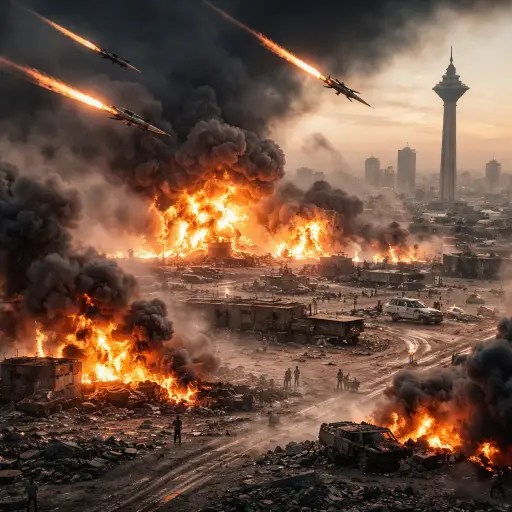
The recent U.S.-led strike on Iranian uranium enrichment facilities has sparked new diplomatic tension in Europe—notably between Washington and Rome. Sources within the intelligence community have confirmed that Italy was intentionally excluded from advance briefings due to lingering distrust stemming from its historical involvement in supplying centrifuge components to Iran.
The decision to withhold sensitive operational details has been described by officials as “precautionary,” citing concerns about potential information leaks. “This was a high-stakes mission,” said one senior U.S. official on condition of anonymity. “We needed to ensure that operational security was airtight. Italy’s past associations with Iran made them a risk we couldn’t afford.”
Italy, once a key industrial partner in international nuclear research, has previously been scrutinized for its role in indirectly aiding Iran’s nuclear development. In the early 2000s, multiple investigative reports linked Italian engineering firms to the export of precision components used in uranium centrifuge assembly lines. While no direct violation of international law was confirmed, the legacy of those connections has not been forgotten.
Italian officials have responded with measured frustration. “Italy has always stood by its NATO allies and has upheld its non-proliferation commitments,” said Foreign Minister Antonio Tajani in a statement. “We regret not being consulted, especially given our regional diplomatic experience and longstanding strategic ties with the United States.”
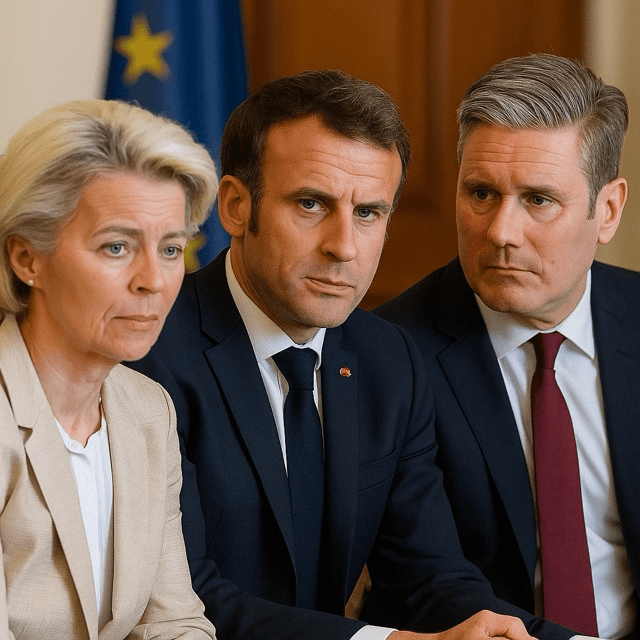
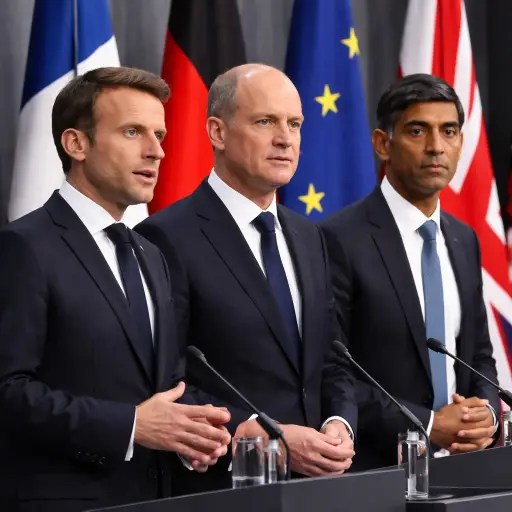
The move has been interpreted by many as a signal of shifting trust within Western alliances. While countries like the United Kingdom, France, and Germany were reportedly kept in the loop, Italy’s exclusion underscores broader concerns about information security and alignment within the EU and NATO frameworks.
Security analysts argue that this decision could have long-term implications. “It may sow further doubt about Italy’s reliability in future joint missions or intelligence-sharing operations,” said Marina D’Alessandro, a defense analyst at the Rome-based Istituto Affari Internazionali. “At a time when unity is crucial, this level of exclusion is telling.”
Privately, U.S. officials suggest the choice also reflects internal reassessments of which partners are deemed ‘core’ to high-stakes military strategies. Italy, despite being a committed NATO member, has at times pursued independent foreign policy initiatives that diverged from U.S. preferences, particularly in the Middle East and North Africa.
Meanwhile, the public in both nations has expressed surprise over the diplomatic rift. Social media discourse and editorials in Italian newspapers reflect disappointment and confusion, with some commentators calling for a formal inquiry into Italy’s current and past ties to Iran.
While U.S. spokespeople have declined to confirm or deny any exclusions, the strategic message is clear: trust, in the era of intelligence warfare, is not automatic—it must be earned and maintained. For Italy, the path to restoring full credibility on the international stage may now require more than just reassurances.
In the broader context, this incident also reflects the increasingly fragmented nature of Western alliances, as national interests continue to diverge even in the face of common security challenges. Whether Italy can reassert its role as a trusted partner remains to be seen.

 The Tower Post