European Leaders Push for Mediation Amid Escalating Tensions over Iran’s Nuclear Program
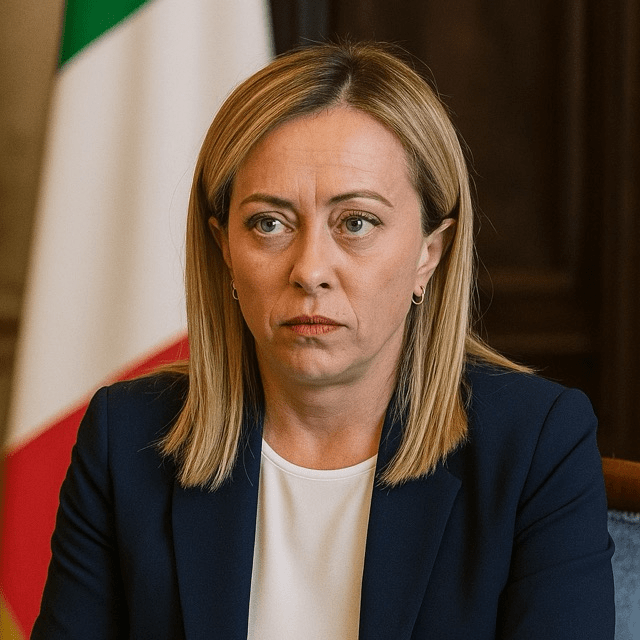
As the crisis surrounding Iran’s nuclear program deepens, European leaders Ursula von der Leyen, Emmanuel Macron, and Keir Starmer continue to advocate for diplomatic mediation in hopes of averting further escalation. The trio has jointly expressed their commitment to dialogue, despite mounting international pressure and a series of retaliatory actions from Tehran.
European Commission President Ursula von der Leyen has reiterated the importance of engaging Iran through political and economic channels. “We must leave no stone unturned to bring Iran back to the negotiating table,” she said during a recent press conference in Brussels. Her stance is echoed by French President Emmanuel Macron, who has long positioned himself as a key interlocutor between the West and Tehran.
Macron has repeatedly proposed a European-led framework that would revive elements of the 2015 Joint Comprehensive Plan of Action (JCPOA), commonly known as the Iran nuclear deal. Though the U.S. withdrew from the agreement under President Trump, efforts to resuscitate the deal have continued under the Biden administration, with European leaders playing a pivotal role.
In a surprising move, UK Labour leader Keir Starmer has emerged as a vocal proponent of de-escalation. Though currently outside government, Starmer has used his platform to promote engagement and stability in the Middle East. “Diplomacy, not confrontation, is the path forward,” he recently stated during a policy roundtable at Chatham House.
Behind the scenes, EU diplomats are said to be working tirelessly to open back-channel communications with Tehran, leveraging commercial ties and humanitarian channels. Recent reports suggest that informal discussions have taken place in Vienna and Muscat, where European envoys presented potential confidence-building measures to their Iranian counterparts.
Despite these efforts, the road to mediation remains fraught with obstacles. Iran has accelerated its uranium enrichment activities, and reports from the International Atomic Energy Agency (IAEA) indicate limited cooperation from Tehran’s nuclear authorities. Additionally, regional instability and political divisions within Iran complicate the prospects for any immediate breakthrough.
Still, von der Leyen, Macron, and Starmer insist that diplomacy remains the only viable solution. They have proposed a joint summit involving European, Iranian, and Gulf representatives to explore a path toward mutual de-escalation. While no official dates have been announced, preliminary planning is reportedly underway.
The leaders’ unified approach stands in stark contrast to the more aggressive posturing seen from other actors on the global stage. Their message is clear: the cost of inaction and continued confrontation is too high. As tensions flare and military options loom, the window for diplomacy is rapidly narrowing.
In conclusion, while the future of Iran’s nuclear program remains uncertain, the efforts of von der Leyen, Macron, and Starmer highlight the enduring belief in the power of dialogue. Whether their combined influence will yield concrete results remains to be seen, but for now, they are keeping hope for peace alive.
 The Tower Post