Geopolitical Tensions, Supply Chain Disruptions, and Economic Nationalism Challenge the Future of International Commerce
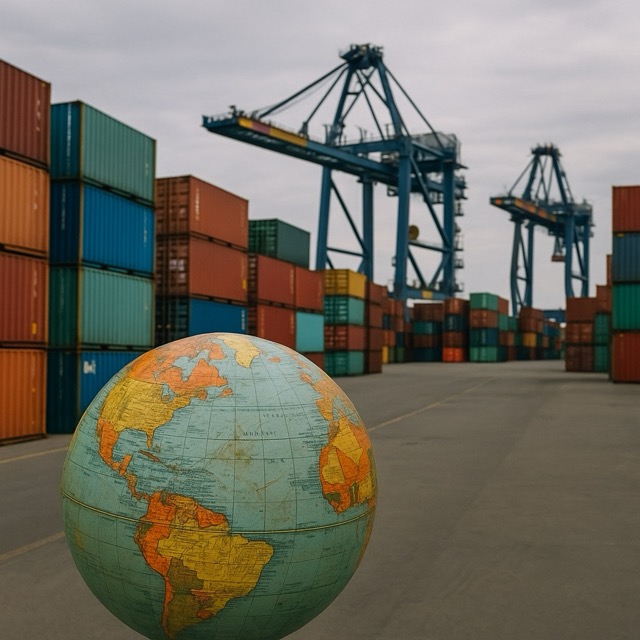
As the world transitions into a new era marked by geopolitical realignments and economic volatility, global trade faces a period of profound uncertainty. Once celebrated as a pathway to prosperity and cooperation, international commerce is now caught between the forces of nationalism, protectionism, and an increasingly fragmented global order.
The COVID-19 pandemic first exposed the fragility of global supply chains, sending shockwaves through industries from semiconductors to pharmaceuticals. Just as economies began to recover, the war in Ukraine and rising U.S.-China tensions further strained the global trading system. These cascading crises have prompted many nations to reassess their dependence on foreign suppliers and reconfigure trade priorities in favor of resilience over efficiency.
Economic nationalism is on the rise. Governments are prioritizing domestic production through subsidies and reshoring policies. The United States’ Inflation Reduction Act, Europe’s Green Deal Industrial Plan, and China’s dual circulation strategy all emphasize self-sufficiency. While these measures aim to strengthen national economies, critics argue they risk undermining the multilateral institutions that have long governed global trade, such as the World Trade Organization (WTO).
Meanwhile, trade blocs are becoming more regionally focused. The Comprehensive and Progressive Agreement for Trans-Pacific Partnership (CPTPP) and the Regional Comprehensive Economic Partnership (RCEP) reflect a shift toward localized economic alliances, often excluding major Western powers. Africa’s Continental Free Trade Area (AfCFTA) and the expansion of the BRICS group further demonstrate the growing diversification of trade relationships.
Technology and sustainability are also reshaping global trade dynamics. The push for clean energy, digitalization, and AI-driven logistics has opened new markets while creating regulatory challenges. Digital trade, in particular, is becoming a geopolitical battleground, as data sovereignty and cyber-security concerns alter how information flows across borders.
Currency fluctuations and rising interest rates add another layer of complexity. Developing economies, heavily indebted and reliant on imports, are particularly vulnerable to inflation and exchange rate volatility. This has sparked debates around global financial reform and the role of alternative currencies in international transactions.
Despite these headwinds, opportunities for innovation and cooperation remain. Companies are diversifying their supplier networks, embracing nearshoring and “friend-shoring” strategies to reduce geopolitical risk. Nations are also exploring trade agreements that promote sustainability and inclusive growth, seeking to balance economic interests with environmental and social imperatives.
In this volatile environment, policymakers, businesses, and institutions must navigate a delicate balancing act. Collaboration will be key—not only within trade alliances but also across ideological divides. The future of global trade may not resemble the liberalized order of the past, but it could evolve into a more multipolar and adaptable system, capable of withstanding 21st-century shocks.
As global trade stands at a crossroads, the path forward demands resilience, strategic foresight, and above all, renewed commitment to cooperation in an increasingly divided world.

 The Tower Post