Kremlin Reportedly Evaluating Military and Political Scenarios for Expanding Control in Southern Ukraine
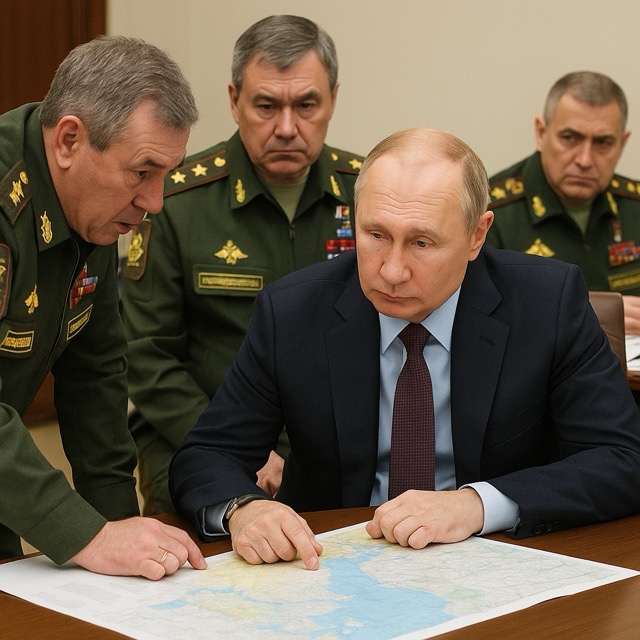
Recent intelligence and diplomatic sources suggest that Russian President Vladimir Putin is actively discussing the feasibility of a strategic offensive to seize control of Odessa, Ukraine’s vital Black Sea port. The plan, under review by senior Kremlin and military advisors, would represent a significant escalation in the ongoing conflict and could dramatically alter the regional balance of power.
Odessa, a historic port city with deep cultural and economic ties to both Ukraine and Russia, is viewed by Moscow as a critical gateway to the Black Sea. Capturing Odessa would not only deal a severe blow to Ukraine’s maritime access and economy but would also enable Russia to establish a continuous land corridor from Crimea to the breakaway region of Transnistria in Moldova.
According to military analysts, Russian strategists are evaluating several possible approaches, including amphibious operations, combined land-air assaults, and hybrid tactics involving disinformation and internal destabilization. Satellite imagery and troop movement data indicate an increased concentration of Russian naval assets in the Black Sea, along with logistical preparations in Crimea.
Kremlin spokespersons have denied immediate plans for an offensive, framing Russia’s actions as defensive and aimed at “securing its territorial interests.” However, insiders report that Putin has held multiple closed-door sessions with top advisors, including defense minister Sergey Shoigu and intelligence chief Alexander Bortnikov, to weigh Odessa’s strategic and symbolic value.
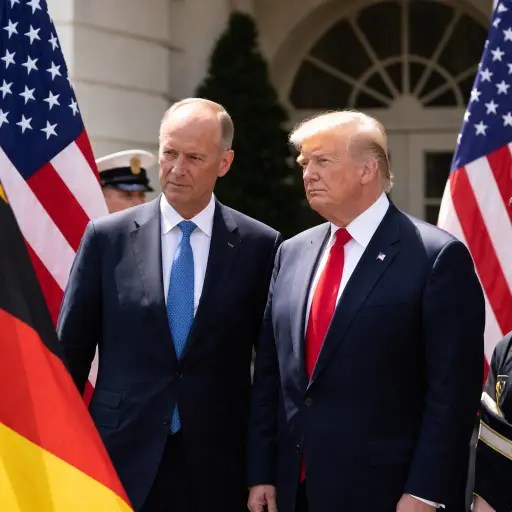
Western officials fear such a move would cross multiple red lines, prompting an intensified response from NATO and the European Union. “An attack on Odessa would not only escalate the war but also endanger vital maritime routes and energy corridors in the region,” said a senior EU official.
Ukraine, meanwhile, is reinforcing its southern defenses. Ukrainian President Volodymyr Zelensky has warned that any attempt to take Odessa would be met with fierce resistance. The city remains a cultural stronghold and a symbol of national identity, making it a politically sensitive and militarily complex target.
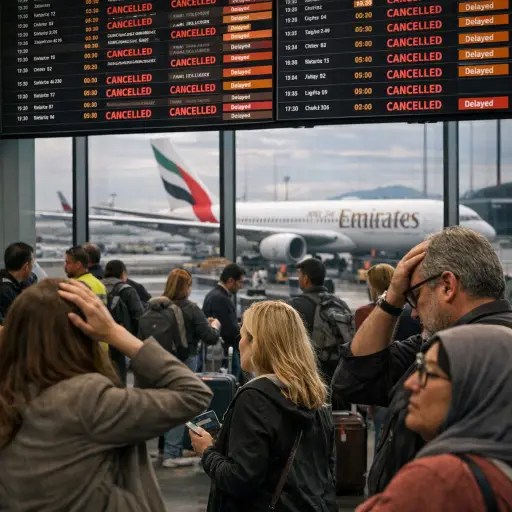
There is also concern about the humanitarian fallout. Odessa’s population exceeds one million, and a large-scale military campaign could result in significant civilian displacement and infrastructure damage. International aid agencies have already begun contingency planning for potential evacuation scenarios and supply shortages.
Geopolitical analysts point out that taking Odessa would give Russia leverage in future negotiations, potentially isolating Ukraine from the sea entirely. It could also serve Putin’s broader narrative of restoring historical Russian influence along the Black Sea.
However, the risks are considerable. Military engagement in Odessa could overstretch Russian forces already engaged in prolonged operations in eastern Ukraine. It could also provoke further sanctions and international condemnation, deepening Russia’s diplomatic isolation.
In summary, the Kremlin’s deliberation over Odessa underscores the volatility of the war’s next phase. As both sides prepare for what could be a decisive chapter, the world watches with growing concern. Whether the threat is a bluff, a negotiating tactic, or a genuine military intention, the mere consideration of Odessa as a target marks a dangerous escalation with far-reaching implications.


 The Tower Post