BRICS Nations, Regional Alliances, and Technological Growth Challenge Traditional Economic Hierarchies

In an era of rapid transformation and uncertainty, the global economic balance of power is undergoing a fundamental shift. Emerging markets—long seen as peripheral to the traditional centers of finance and industry—are now asserting a new role in defining the future of international commerce, trade, and influence.
At the heart of this transformation lies the rise of the BRICS nations—Brazil, Russia, India, China, and South Africa—who have increasingly coordinated their economic strategies to counterbalance Western-dominated institutions. In recent years, this bloc has expanded its influence through diplomatic outreach, investment in infrastructure, and the creation of alternative financial systems, such as the New Development Bank and proposals for a shared reserve currency.
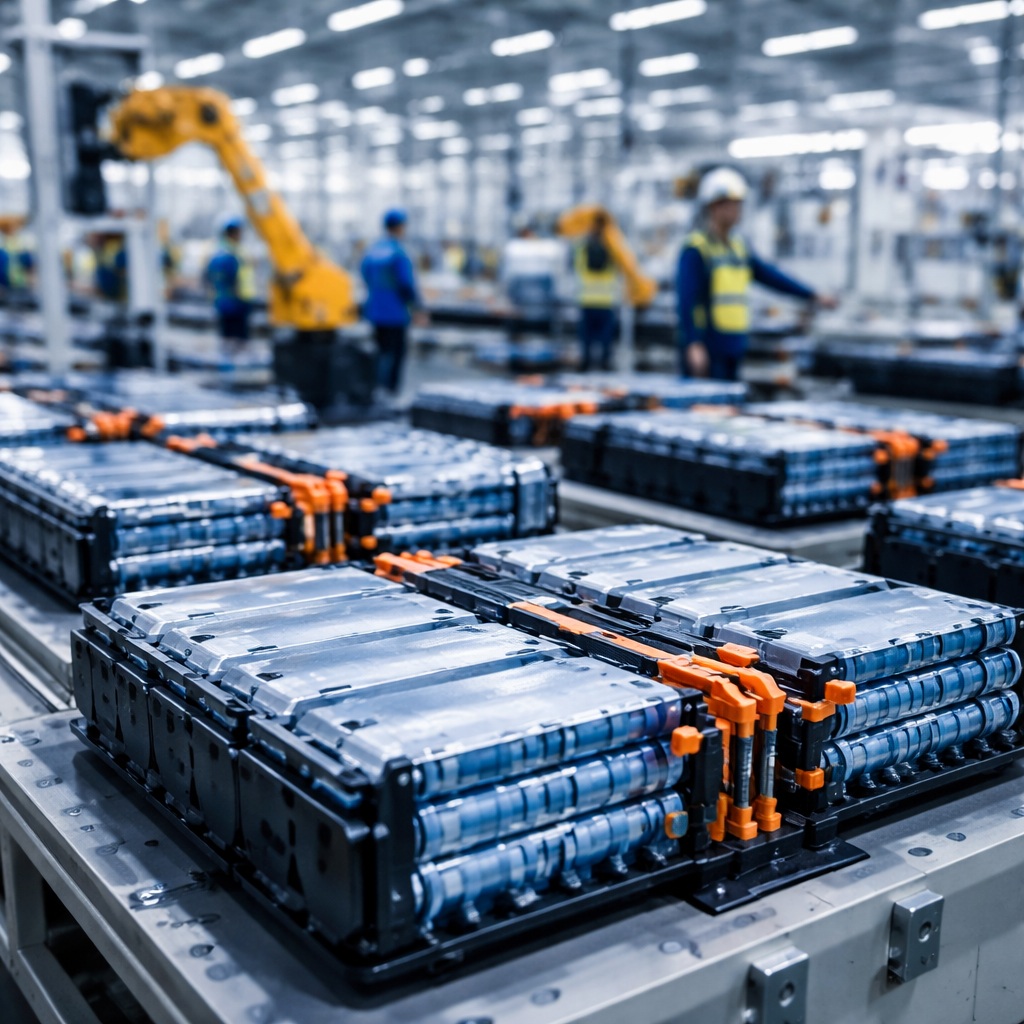
India and China, in particular, are emerging as innovation hubs. India’s growing tech sector and startup ecosystem have positioned it as a leader in digital infrastructure and fintech, while China’s dominance in manufacturing and green energy technology continues to reshape global supply chains. Brazil is leveraging its agricultural might, while African nations like Nigeria and Kenya are becoming hotspots for mobile banking and renewable energy.
This shift is not limited to BRICS. Countries like Indonesia, Mexico, Vietnam, and the UAE are increasingly central to global production and trade flows. Their strategic geographic positions, young workforces, and favorable regulatory environments have made them attractive to multinational corporations seeking diversification away from traditional Western markets.
Furthermore, regional alliances and South-South cooperation are strengthening. Trade agreements like the African Continental Free Trade Area (AfCFTA), Mercosur, and ASEAN are creating new frameworks for intra-regional economic integration, allowing emerging markets to reduce dependence on traditional Western partners.
The global financial system is also seeing structural changes. Central banks in emerging economies are boosting their gold reserves, exploring digital currencies, and increasing non-dollar trade settlements. These moves reflect a broader effort to reduce vulnerability to Western monetary policy and economic sanctions.
However, this shift is not without challenges. Political instability, infrastructure gaps, and environmental vulnerabilities continue to affect many emerging economies. Inflation, debt servicing, and capital flight remain serious concerns. Yet, many of these countries have shown remarkable resilience, often outperforming expectations in periods of global economic turbulence.
The redefinition of economic leadership is also changing the rules of global governance. Institutions like the IMF and World Bank face growing calls for reform, as emerging markets seek more representative influence in decision-making. In parallel, platforms like the G20 have become more central arenas for debate and negotiation, reflecting the multipolar reality of the current global landscape.
As this evolution unfolds, traditional powers must adapt to a world where influence is more widely distributed. The challenge will be fostering cooperation without domination, and competition without fragmentation. Emerging markets, by embracing innovation, partnership, and sustainability, are not just reshaping economic flows—they are helping to write a new chapter in the global economic story.
The future of global economic leadership will no longer be determined solely in Washington, Brussels, or Tokyo. It will be forged in Mumbai, São Paulo, Jakarta, and Nairobi—in boardrooms, ministries, and marketplaces across the Global South.

 The Tower Post