Protecting Your Ears from the Consequences of Noise-Induced Hearing Loss
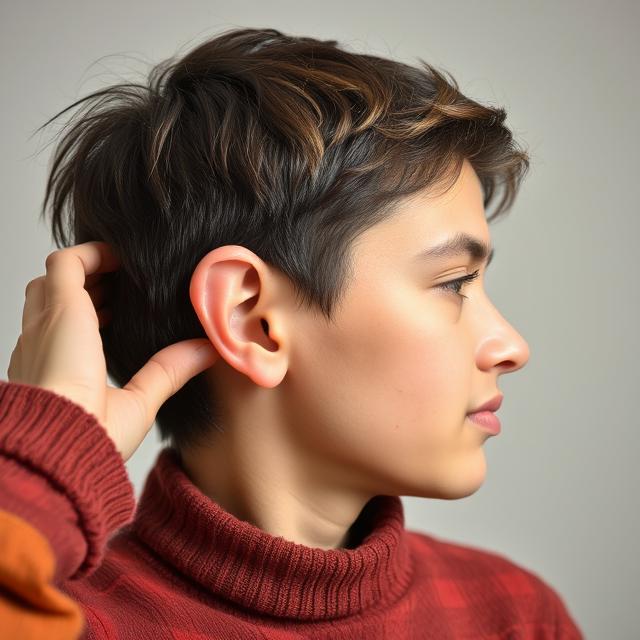
Hearing loss is a growing concern worldwide, affecting 42% of people over the age of 50 and 71% of those over 70. But it’s not just older adults who are at risk – one billion young people are at risk from avoidable hearing loss. Experts warn that exposure to loud noises, whether from music, lawnmowers, or other sources, can cause permanent damage to hearing.
According to Dr. Siobhán Brennan, a lead clinical scientist at Sheffield teaching hospitals and chair of the British Society of Audiology, “devices are so much better than they used to be in terms of the quality of the sound, but this has led to an increase worldwide in noise-induced hearing loss.” She emphasizes the importance of being mindful of sound levels, particularly in noisy environments.
Kevin Munro, a professor of audiology and director of the Manchester Centre for Audiology and Deafness at the University of Manchester, stresses that hearing loss can have a significant impact on daily life. “Hearing loss can make life difficult and lead to social isolation,” he says. “But with extremely loud devices in our pockets, and earbuds in near-constant use, we are at more risk than ever.”
So, how can you protect your hearing? Experts recommend wearing earplugs in loud environments, such as concerts or clubs, and avoiding loud noises altogether. Dr. Renee Almeida, the adult audiology clinical lead at Imperial Healthcare NHS Trust in London, suggests using musician’s earplugs, which have a filter that reduces sound levels without distorting them.
In addition to protecting against noise-induced hearing loss, experts also emphasize the importance of good ear hygiene. Dr. Jay Jindal, an audiologist and owner of Planet Audiology, advises against using cotton buds to clean the ears, as this can cause irritation and infection. Instead, he recommends drying the ears after a shower or swim with a piece of toilet paper or muslin.
Hearing aids are also becoming increasingly effective, with even AI and “invisible” models available on the market. Almeida notes that hearing aids can address hearing loss and help individuals stay socially connected. Munro adds that good hearing is essential for healthy ageing, as it enables individuals to communicate well and maintain social connections.
However, hearing loss is not the only concern. Tinnitus, or ringing or buzzing in the ears, is a common problem that can be caused by hearing loss, jaw problems, or muscle tension. Almeida notes that treatment options depend on the underlying cause, but hearing aids are often the first line of treatment. Cognitive behavioral therapy has also been shown to be effective in reducing the impact of tinnitus.
Finally, experts remind us that hearing affects not just our ability to communicate, but also our balance. Munro notes that the ear controls both hearing and balance, and problems with the ear can affect balance. During flights, for example, swallowing or blowing your nose can help alleviate ear pressure.
By taking these simple steps to protect our hearing and maintain good ear hygiene, we can reduce the risk of hearing loss and its consequences. As Munro puts it, “looking after your ears is for life, not just old age.”



 The Tower Post