Khamenei Reasserts Control as the Islamic Republic Prepares for a Harsher Era
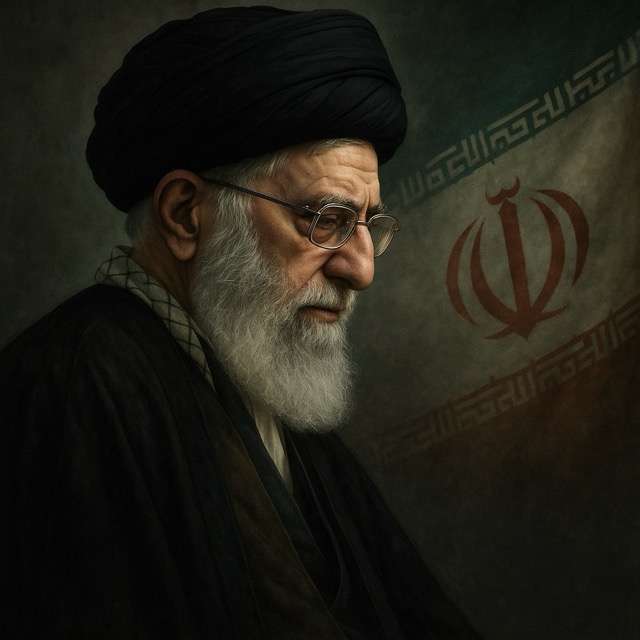
Despite growing internal dissent and international pressure, the prospects for a regime change in Iran remain grim. Supreme Leader Ali Khamenei, following a period of uncertainty regarding his health and succession, has now firmly reasserted his grip on power. This development signals not a softening of the Islamic Republic’s stance but rather a reinforcement of its most oppressive tendencies.
Iran has experienced waves of protest over the past decade—from the Green Movement of 2009 to the Women, Life, Freedom demonstrations in recent years. Each of these moments hinted at the potential for meaningful political transformation. However, the state’s response has consistently been swift, violent, and deeply repressive. With Khamenei’s return to active leadership, it is clear that the regime has no intention of liberalizing. On the contrary, signs point to a hardening of internal policies.
The regime has effectively used both ideological control and brute force to maintain its dominance. Institutions like the Islamic Revolutionary Guard Corps (IRGC), the Basij militia, and the judiciary operate with near-total impunity. These mechanisms of control are being further empowered, suggesting that dissent will be met with even more brutal crackdowns in the near future.
Khamenei’s re-emergence comes at a moment of geopolitical recalibration. Iran continues to navigate its tense relationships with the United States, Israel, and its Gulf neighbors while deepening strategic ties with Russia and China. Domestically, the economy is strained by sanctions, corruption, and mismanagement, exacerbating everyday suffering for ordinary Iranians. Yet, the regime shows little willingness to change its policies to improve the situation.
The succession issue, long a source of speculation, now seems shelved. Khamenei’s apparent vigor silences debates over the next Supreme Leader, allowing the current leadership to consolidate authority. However, this only delays an inevitable crisis. Iran’s demographic reality—where over 60% of the population is under the age of 30—clashes with a theocracy led by aging revolutionaries. The result is a growing chasm between rulers and ruled.
Tragically, rather than ushering in reform or change, Khamenei’s return is likely to mark the beginning of an even darker chapter for the Iranian people. Surveillance is intensifying, censorship is expanding, and the punishment for dissent is becoming more severe. The international community, though vocal, appears largely ineffective at applying pressure with meaningful consequences.
In conclusion, those hoping for a turning point in Iran may need to prepare for disappointment. The regime’s survival instinct is formidable, and Khamenei’s renewed leadership promises not hope, but harsher repression. The resilience of the Iranian people remains, but the road ahead will be long and marked by suffering, unless global and internal dynamics shift in ways yet unseen.


 The Tower Post