Diplomatic pressure and regional calculations have delayed confrontation, but tensions remain on a knife’s edge
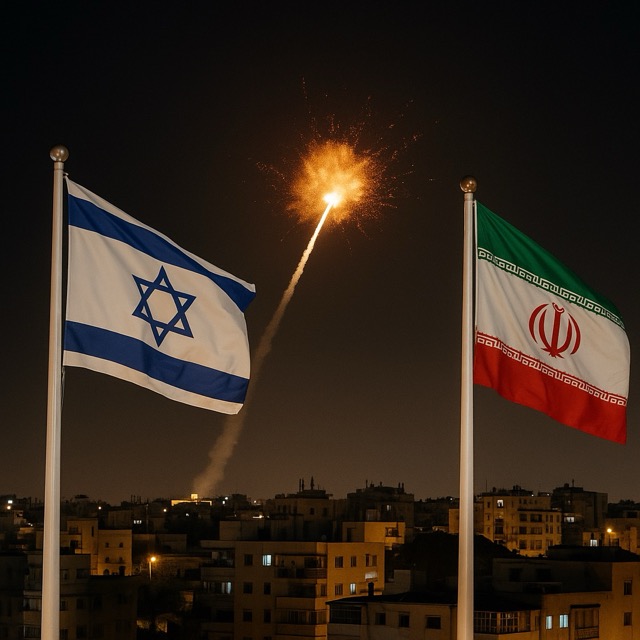
TEL AVIV / TEHRAN — The long-feared direct military confrontation between Israel and Iran has been momentarily averted. But analysts, diplomats, and intelligence sources agree: the reckoning has only been delayed, not resolved.
In recent months, after a cycle of covert operations, airstrikes, cyberattacks, and inflammatory rhetoric, both countries found themselves on the brink. Tensions peaked following Israel’s reported strike on an Iranian military site in Isfahan in early 2025, which Tehran vowed would “not go unanswered.”
Mutual Restraint Amid Mounting Pressure
International actors—including the United States, France, and Egypt—have worked feverishly behind the scenes to cool tempers. For now, the strategy appears to be working. But Israeli Defense officials have admitted privately that the IDF remains on high alert for possible retaliatory actions or proxy escalations from Iran-aligned groups in Lebanon, Syria, and Iraq.
Iran, facing mounting economic strain and internal unrest, has also calculated the cost of an all-out war. Supreme Leader Ayatollah Ali Khamenei, while unwavering in his defiance, is believed to have signed off on a temporary strategic pause, according to Western intelligence assessments.
Proxies Still in Play
Though direct confrontation has been postponed, proxy warfare continues unabated. Hezbollah in Lebanon, the Houthis in Yemen, and various militias in Iraq remain operational arms of Iranian influence. Israel, for its part, continues targeted strikes in Syria and increased cyber espionage.
The recent Houthi drone incursion into Israeli airspace and the interception of an Iranian shipment of weapons in the Mediterranean highlight how quickly the situation can spiral.
Strategic Calculations and Red Lines
Israeli Prime Minister Benjamin Netanyahu has declared Iran’s nuclear program an “existential threat.” Meanwhile, Iran insists its program is peaceful, even as it enriches uranium beyond limits set by the defunct 2015 nuclear deal.
“The quiet is deceptive,” said a former Mossad director speaking anonymously. “Both sides are repositioning. No one is backing down.”
Western officials warn that the next flashpoint could be a miscalculated cyberattack or a cross-border skirmish gone too far. Diplomats remain wary of any trigger that could force either side’s hand.
A Pause, Not Peace
This temporary lull has allowed Washington and European allies to re-engage with Tehran diplomatically. Yet hopes for meaningful negotiations remain dim. Israeli officials continue to lobby for increased sanctions and military readiness, while Iranian leaders maintain their defiant posture.
“It’s like a dry season before the storm,” said Maj. Gen. (res.) Amos Yadlin, former head of Israeli military intelligence. “Eventually, there will be a reckoning. The only question is when—and how destructive it will be.”
Conclusion
For now, the countdown has paused. But the geopolitical clock continues to tick. As Israel and Iran circle each other, the world watches warily. The region, already volatile, remains one provocation away from full-scale conflict. And while the guns are silent today, their thunder may only be a matter of time.




 The Tower Post