Strategic shift bolsters Britain’s nuclear deterrent as tensions rise in Europe
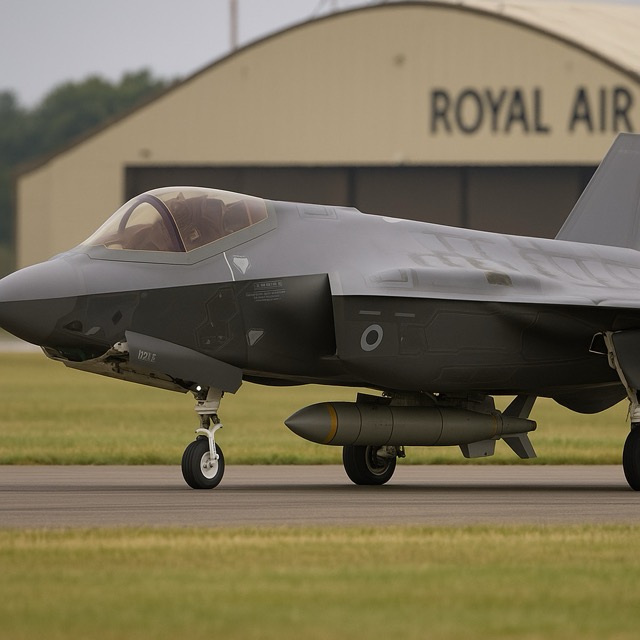
LONDON — The United Kingdom is preparing to acquire a fleet of US-made fighter jets capable of carrying nuclear weapons, marking a significant upgrade to its military arsenal and signalling a more assertive role within NATO amid rising geopolitical tensions.
The proposed deal, valued at over £10 billion, involves the purchase of advanced variants of the F-35 Lightning II, a fifth-generation stealth fighter jointly developed by the United States and several allied nations. The jets will be modified to carry B61-12 nuclear gravity bombs, a capability currently certified only on select US aircraft.
Reviving an Aerial Nuclear Deterrent
While the UK has long maintained an independent nuclear deterrent through its submarine-based Trident system, this new move suggests a reinvigoration of air-based capabilities. Military officials cite evolving threats from Russia and the need for greater flexibility in deterrent posture as key motivators behind the purchase.
“The modern battlefield requires layered deterrence,” a Ministry of Defence spokesperson told *The Times*. “Our continued investment in NATO capabilities reflects the seriousness with which we take collective security.”
Integration with NATO and the US
The UK is one of only a handful of NATO members participating in the nuclear sharing program, under which non-nuclear nations host US nuclear weapons. Though Britain is not a host, its integration with US systems has grown over the years. The F-35s will further enable seamless cooperation with American and NATO air forces.
Sources confirm that the nuclear-capable F-35s will operate from RAF Marham and potentially from other NATO bases in Europe. British pilots are expected to undergo specialized training alongside US counterparts.
Strategic Messaging or Escalation?
While defence experts call the acquisition a “logical next step,” critics argue it could provoke adversaries and signal a willingness to blur the lines between conventional and nuclear conflict.
“We’re entering dangerous territory,” said Dr. Hannah West, an arms control analyst at King’s College London. “Deploying dual-capable aircraft in a high-alert environment risks miscalculation.”
Still, government officials insist the move strengthens deterrence, rather than undermines it. “Deterrence works best when it’s credible,” a senior Whitehall source said.
Costs and Timelines
Initial deliveries of the modified jets are expected between 2026 and 2028, with full operational capability planned for the early 2030s. Upgrades to airbases, secure storage for nuclear ordnance, and training programs will require additional investment.
A New Era in British Defence
As the UK recalibrates its defence strategy post-Brexit, the F-35 acquisition marks a bold declaration of intent. With alliances tested and war raging on Europe’s doorstep, Britain appears ready to reinforce its position as a central pillar of Western security.
Whether the move escalates tensions or deters them remains to be seen, but one thing is clear: the future of warfare is already taking shape on British runways.




 The Tower Post