Diplomatic Normalization Between Israel and Arab States Opens Pathways for Regional Stability and Economic Growth
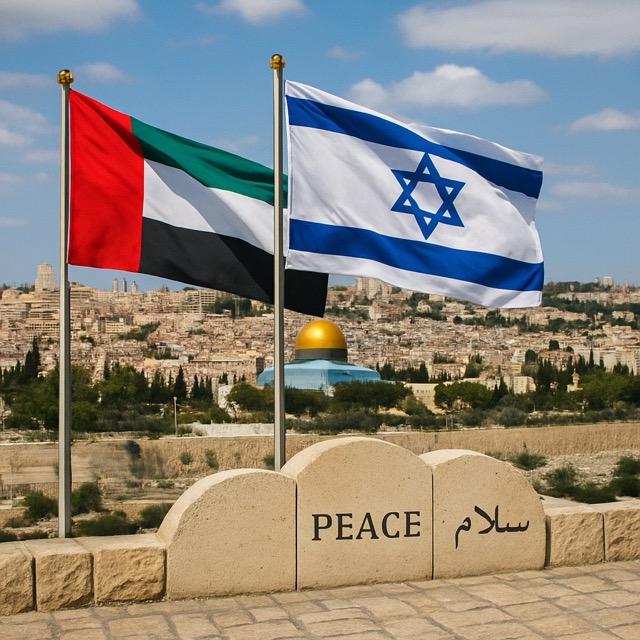
DUBAI — In a region long defined by conflict, the Abraham Accords have emerged as a rare and transformative opportunity for peace. Signed initially in 2020 between Israel, the United Arab Emirates, and Bahrain — and later expanded to include Morocco and Sudan — the accords mark a dramatic shift in Middle Eastern geopolitics, offering a new model of cooperation rooted in mutual interests and shared prosperity.
The potential of a pacified Middle East under these agreements is immense. Beyond the symbolism of Arab and Israeli leaders shaking hands, the accords have laid the foundation for concrete collaboration in fields ranging from technology and energy to defense and tourism. Joint ventures between Emirati and Israeli tech firms have accelerated innovation, while new air routes have spurred cultural exchange and business growth.
“This is not just a political gesture — it’s a structural realignment,” said Amira Hossain, a senior analyst at the Middle East Policy Forum. “The Abraham Accords present a blueprint for regional integration that bypasses decades of paralysis over the Israeli-Palestinian conflict.”
While the accords do not resolve that core issue, they redefine what regional peace can look like. They also send a strong signal to rival actors — particularly Iran — that a new axis of cooperation is gaining momentum. The U.S.-brokered deals have become a diplomatic asset in Washington’s Middle East strategy, serving as both a counterbalance to Iranian influence and a rare bipartisan success story.
Economic dividends are already materializing. Bilateral trade between Israel and the UAE topped $2 billion in 2022, with projections continuing to climb. In Morocco, tourism from Israel has surged, while joint agricultural projects aim to address food insecurity across North Africa. Defense and cyber partnerships are deepening, raising both opportunities and questions about regional arms balances.
Critics argue that the accords prioritize geopolitics over justice, particularly for Palestinians. Yet even within Palestinian circles, there is growing debate about whether a new Arab-Israeli détente might eventually lead to fresh negotiations, or at least reduce the region’s volatility.
Saudi Arabia, the Gulf’s most influential player, has not yet formally joined the accords but has shown signs of quiet support, allowing Israeli flights through its airspace and hosting unofficial dialogues. A potential Saudi-Israel normalization would be a geopolitical earthquake, solidifying the Abraham Accords as a long-term framework for peace.
“There’s a sense of cautious optimism,” said Prof. Michael Rubin of the American Enterprise Institute. “No one believes the Middle East’s problems are solved. But the accords shift the calculus — from zero-sum hostility to pragmatic coexistence.”
As the region grapples with new challenges — from water scarcity to AI governance — the Abraham Accords offer more than just peace treaties. They represent a chance to build a different future: one where dialogue replaces confrontation, and where economic cooperation becomes the new cornerstone of security.
In a region where hope is often in short supply, the Abraham Accords provide a rare glimmer — and perhaps, a durable foundation for peace.




 The Tower Post