400 Dead in One Month in Desperate Search for Food Amid Blockade and Chaos
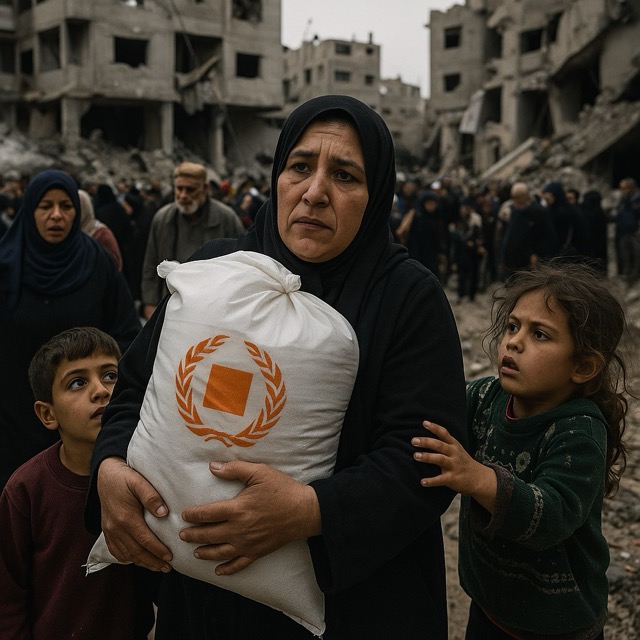
GAZA CITY — The narrow alleys of Gaza, once bustling with life, are now scenes of desperation and death. Over the past month alone, more than 400 people have died in what humanitarian workers are calling an “unfolding catastrophe” caused not only by bombardments and displacement, but by a cruel new layer of tragedy: starvation.
At the center of the crisis stands the GHF — the Gaza Humanitarian Front — a coalition of local factions that was originally created to coordinate aid distribution and defend civilians from military aggression. But according to sources within the United Nations and independent NGOs, the GHF has turned into a gatekeeper of life-or-death resources, tightening control over dwindling food supplies and creating what one UN official described as “a trap from which no one escapes unscathed.”
“We’re witnessing organized chaos,” said Amal Darwish, a Palestinian field coordinator with a European aid agency. “Food trucks are seized, aid convoys are redirected, and desperate civilians are forced to barter or fight for basic provisions. The GHF has become both the provider and the punisher.”
Eyewitness accounts and drone footage confirm scenes of overcrowded food lines turning violent, with armed individuals controlling access to distribution points. In some areas, GHF-linked militias have reportedly imposed loyalty tests before allowing families access to basic rations. In others, people have died in stampedes or been shot for trying to jump the queue.
One of the most harrowing incidents occurred in Deir al-Balah, where at least 28 people died when an aid delivery was ambushed by rival groups. “They were not victims of a bombing or military strike,” said a Red Crescent volunteer. “They died chasing a bag of flour.”
International outcry has grown in recent weeks. The World Food Programme issued a statement condemning the “weaponization of hunger,” while UNICEF has demanded unimpeded access to deliver emergency nutrition to children under five, 80% of whom are now classified as acutely malnourished.
Inside Gaza, the humanitarian landscape is collapsing. Makeshift kitchens have shut down for lack of fuel. Wells are contaminated or destroyed. Medical centers are overwhelmed with cases of dehydration and starvation. The GHF continues to deny allegations of mismanagement and corruption, instead blaming external blockades and foreign interference.
“This isn’t just a humanitarian crisis — it’s a moral collapse,” said an international observer from Geneva who recently visited the Rafah border. “Starvation is no longer collateral damage. It’s a weapon.”
Meanwhile, diplomatic efforts remain paralyzed. Talks at the UN Security Council have yielded little, with vetoes and geopolitical friction stalling any substantial resolution. Inside Gaza, survival has become a daily battle fought meal by meal, hour by hour.
As the second month looms, many fear the death toll could double unless humanitarian corridors are secured and the GHF is either dismantled or brought under international oversight. Until then, Gaza remains an open-air prison, where hunger is the latest, most silent executioner.



 The Tower Post