Tehran’s Withdrawal from Nuclear Oversight Sparks Global Alarm and Heightens Regional Tensions
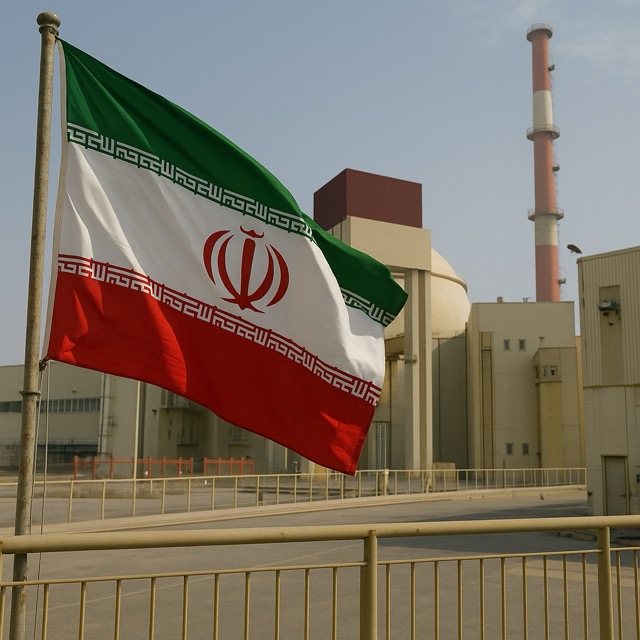
VIENNA — In a move that has sent shockwaves through diplomatic and security circles worldwide, Iran announced it is terminating all cooperation with the International Atomic Energy Agency (IAEA), effectively cutting off the last remaining channel of international oversight over its nuclear program.
The decision, delivered via an official communiqué from Tehran to IAEA headquarters in Vienna, marks a dramatic escalation in the long-standing tensions between the Islamic Republic and Western powers. According to Iranian state media, the move was in response to what it called “continued political manipulation and espionage” under the guise of inspections.
“This is not a suspension — it is a complete cessation of cooperation,” said Behrouz Kamalvandi, spokesperson for Iran’s Atomic Energy Organization. “Iran will no longer tolerate the intrusive and biased approach of the IAEA, which has increasingly acted on behalf of hostile actors.”
The IAEA, which had relied on regular inspections, surveillance cameras, and environmental sampling to monitor Iran’s enrichment activities, confirmed the withdrawal and expressed “deep regret and concern.” Director General Rafael Grossi called the decision “a major setback to regional and international security,” warning that the agency now has “zero visibility” into Iran’s uranium enrichment levels or centrifuge developments.
Western powers responded with swift condemnation. U.S. Secretary of State Antony Blinken described the move as “a grave mistake,” and called for an emergency meeting of the United Nations Security Council. The European Union urged Iran to reverse its decision “immediately and unconditionally,” while Israel’s Prime Minister declared the development “an existential red line.”
Analysts say Iran’s withdrawal may be aimed at gaining leverage amid stalled negotiations on the revival of the 2015 nuclear deal, known formally as the Joint Comprehensive Plan of Action (JCPOA). Talks in Vienna have floundered for months over issues of sanctions relief and guarantees.
“This is a high-stakes gamble by Tehran,” said Dalia Dassa Kaye, a Middle East security expert at the Wilson Center. “They’re betting that the West will blink first, but the consequences of miscalculation are enormous — especially with tensions already sky-high in the region.”
Satellite imagery and open-source intelligence have shown increased activity at key nuclear sites, including Fordow and Natanz, in recent weeks. Without IAEA access, it will be increasingly difficult to verify whether Iran is staying within the limits of peaceful nuclear research or edging toward weaponization.
The move also risks undermining Iran’s diplomatic standing with non-Western partners such as China and Russia, both of whom have called for restraint and continued cooperation with the IAEA. Whether Tehran can maintain these critical alliances while closing its doors to nuclear monitors remains uncertain.
In the absence of transparency, fears are growing that misinterpretations or preemptive actions could lead to open conflict. Already, military readiness levels in Israel and the Persian Gulf have been elevated.
As the international community scrambles to respond, one truth remains clear: the nuclear clock in the Middle East has just moved significantly closer to midnight.




 The Tower Post