Disputed Assessments of Bombing’s Impact Reveal Deep Rifts in Washington’s Spy Agencies
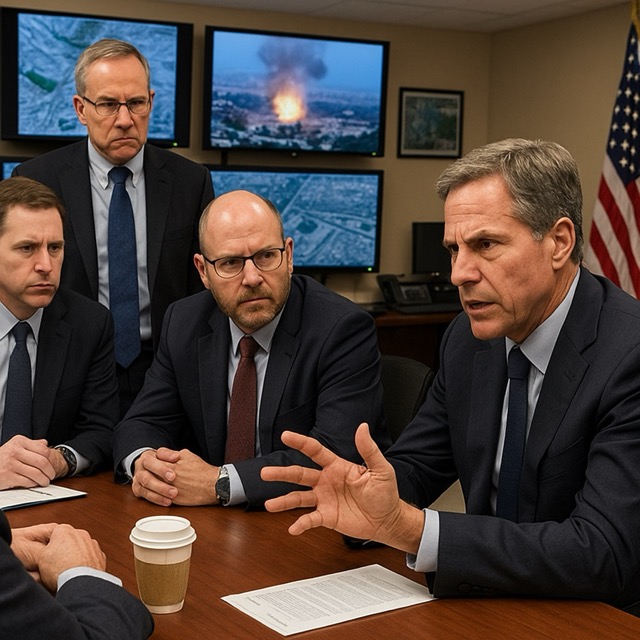
In the wake of a controversial U.S. airstrike on Iranian soil earlier this month, deep divisions have surfaced within the American intelligence community over the operation’s effectiveness and legality. Sources inside the CIA, NSA, and the Department of Defense’s intelligence arm report conflicting interpretations of both the strike’s tactical success and its strategic fallout.
According to multiple current and former officials, the strike targeted what was believed to be a secret Iranian military site allegedly linked to nuclear development. While the Department of Defense hailed the operation as a “surgical success,” with claims of neutralizing several high-ranking Revolutionary Guard officials, other agencies dispute this account.
Analysts within the CIA and State Department’s Bureau of Intelligence and Research have raised concerns over the reliability of the intelligence used to justify the strike. A senior intelligence officer, speaking anonymously, noted, “The targeting package was rushed, and satellite imagery was inconclusive. There’s growing concern we may have hit a civilian infrastructure component or a decoy site.”
Compounding the controversy are reports of collateral damage, including potential civilian casualties and disruption of critical infrastructure near Isfahan. Although the Pentagon has denied these claims, open-source intelligence analysts and international watchdogs have published satellite photos showing extensive damage to nearby residential areas.
These revelations have sparked fierce debates within closed-door meetings in Washington. A high-level source within the National Security Council described the atmosphere as “hostile and deeply fractured.” Tensions are said to be escalating between political appointees pushing a more aggressive posture toward Iran and career intelligence officers wary of repeating past mistakes akin to the Iraq WMD debacle.
The implications of this internal conflict stretch far beyond the intelligence community. On Capitol Hill, members of Congress have begun demanding classified briefings and independent investigations into both the intelligence assessments and decision-making process behind the strike. Senator Elizabeth Warren has called for a congressional inquiry, citing “grave concerns about the accuracy and transparency of the information provided to elected officials.”
Internationally, the strike has drawn sharp criticism from U.S. allies, particularly in Europe. France and Germany have issued joint statements urging de-escalation and demanding accountability for any missteps that may have led to civilian harm.
As the dust settles in Iran, the political and diplomatic fallout is just beginning to crystallize. More than just a question of military success or failure, the incident exposes fundamental fractures in how intelligence is gathered, interpreted, and acted upon at the highest levels of American power.
Whether this episode leads to reforms or further entrenchment of internal divisions remains uncertain. But one thing is clear: the battlefield is no longer just in the Middle East—it’s also within the walls of Langley, Fort Meade, and the Pentagon.



 The Tower Post